

What the budget buys
Choosing batteries for smart home devices involves a direct tradeoff between upfront cost and the frequency of maintenance. Low-cost alkaline batteries are accessible but degrade quickly in high-drain IoT sensors. Because alkaline cells have a steep discharge curve, they often trigger "low battery" alerts long before the cell is actually depleted, leading to higher long-term spending due to premature replacements.
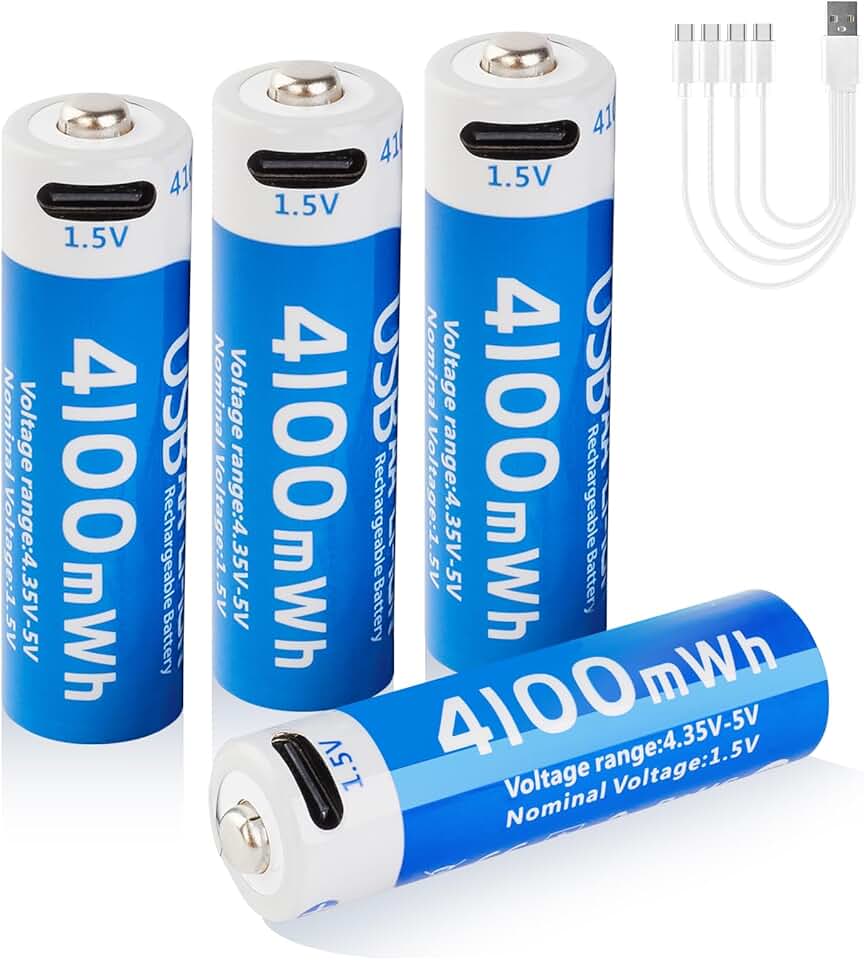
Mid-range rechargeable NiMH (Nickel-Metal Hydride) or Li-ion options require a higher initial investment in both the cells and a compatible smart charger. These typically pay for themselves within 18 to 24 months for devices like smart locks or motion sensors that trigger frequently. For a typical household with 10-15 sensors, switching to rechargeables can reduce annual waste by several dozen cells while stabilizing the power supply to the device.
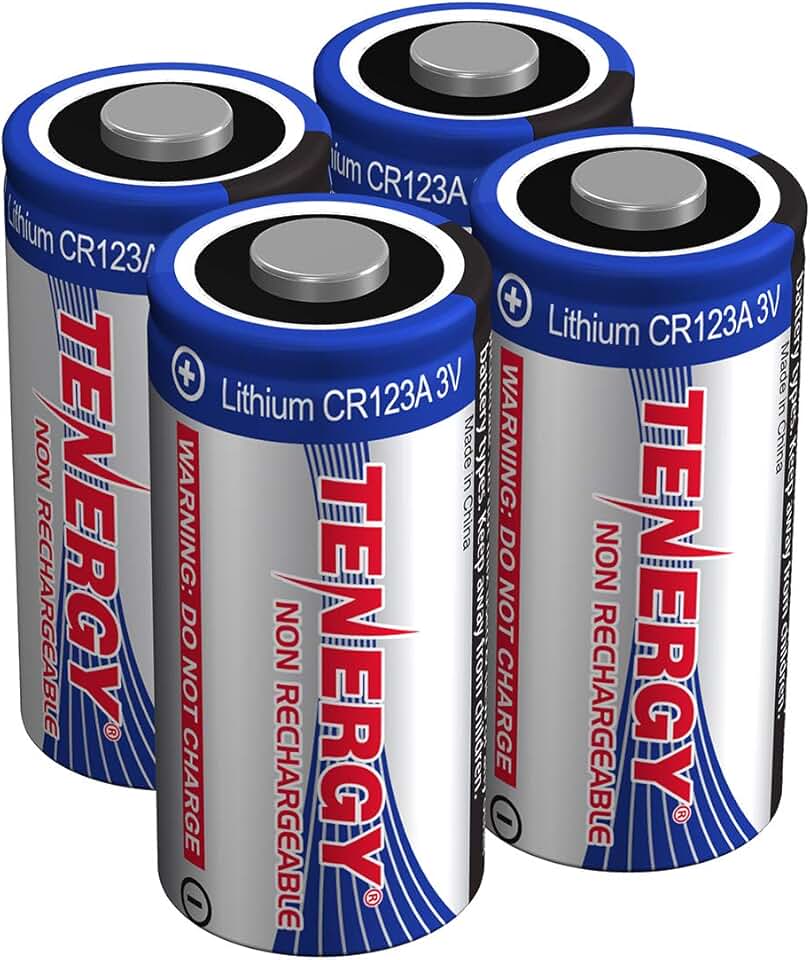
High-end options, such as long-life lithium (Li-FePO4) or specialized energy-harvesting hardware, target users who prioritize "set and forget" installations. These are ideal for hard-to-reach areas like ceiling-mounted smoke detectors or outdoor security cameras where a ladder trip every six months is a significant deterrent. While the cost per cell is higher, the reduction in labor and the avoidance of "dead sensor" security gaps justify the premium.
As an Amazon Associate, we may earn from qualifying purchases.
Models worth checking first
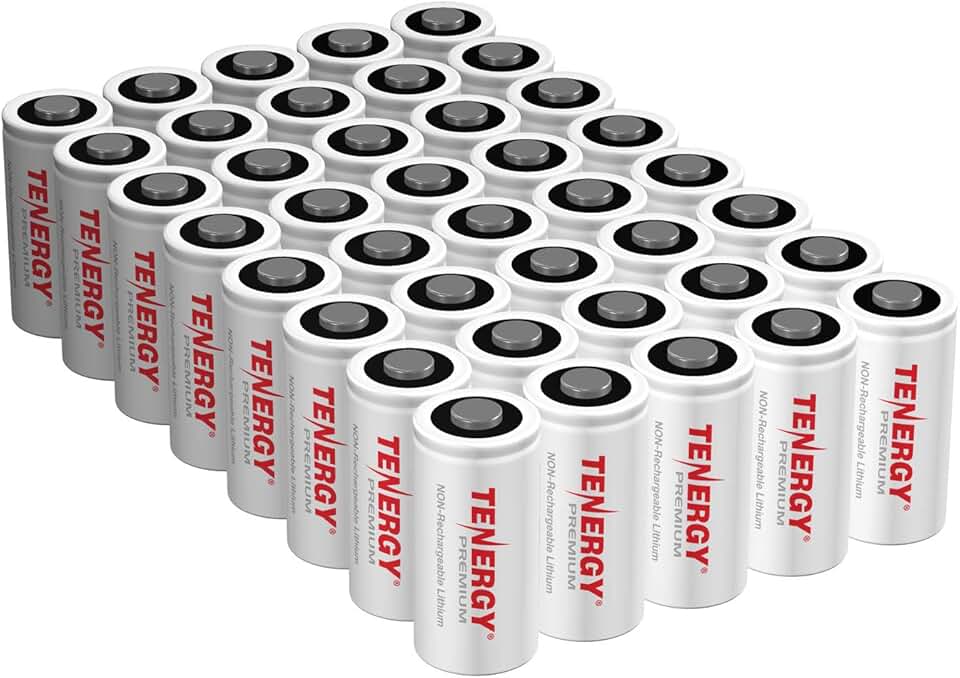
Selecting the right hardware depends on the power draw of the specific IoT sensor. High-traffic devices like video doorbells require high-capacity rechargeable cells to handle the surge of power needed for Wi-Fi transmission and IR night vision. Conversely, low-power sensors like leak detectors benefit from the stability of lithium-based primary cells that can sit dormant for years without self-discharging.
When comparing these options, look for the balance between energy density and discharge rates. Some models prioritize a slow, steady bleed of power to last years, while others are designed for rapid bursts of activity followed by deep sleep cycles. Choosing a battery that doesn't match the device's power profile often leads to premature voltage drops, causing the device to reboot or drop off the network during a high-power event (like a lock motor engaging).
| Battery Type | Ideal IoT Device | Primary Advantage |
|---|---|---|
| Lithium Thionyl Chloride (Li-SOCl2) | Smoke/Leak Sensors | Ultra-low self-discharge |
| LiFePO4 (Lithium Iron Phosphate) | Smart Hubs/Backup | High thermal stability |
| Nickel-Metal Hydride (NiMH) | Rechargeable peripherals | Cost-effective cycling |
| Lithium-Ion (Li-Po) | Smart Locks/Cameras | High energy density |

As an Amazon Associate, we may earn from qualifying purchases.
Check before you buy
Selecting the wrong power source often leads to "battery anxiety"—the constant fear of a dead sensor or lock at the worst possible moment. To ensure your smart home device battery lasts as long as the manufacturer claims, you must verify the hardware's power efficiency and the battery's chemistry before committing to a purchase.


As an Amazon Associate, we may earn from qualifying purchases.
Costs that change the math
Buying a device based on the initial sticker price often ignores the long-term cost of smart home device battery replacement. A cheap sensor that requires four AA batteries every six months is more expensive over three years than a premium model with a five-year sealed lithium cell. When calculating ownership costs, you have to account for the "battery tax"—the recurring spend on replacements and the time spent climbing ladders to swap cells in ceiling-mounted smoke detectors or security cameras.
Maintenance surprises usually stem from environmental factors. A battery rated for two years in a lab may last six months if installed in an outdoor doorbell exposed to freezing winters. Extreme cold slows the chemical reactions inside the cell, increasing internal resistance and causing the voltage to drop below the device's operating threshold. This degradation means you aren't just paying for the battery, but for the increased frequency of maintenance cycles.
For high-traffic devices, the shift toward rechargeable systems or energy-harvesting tech is where the math flips. While a battery-free lock or a solar-augmented camera has a higher upfront cost, it eliminates the recurring expense of disposables and the risk of a dead battery locking you out of your own home. For example, adding a small solar trickle-charger to an outdoor camera can extend battery life from 3 months to 18+ months, effectively removing the maintenance burden entirely.
As an Amazon Associate, we may earn from qualifying purchases.
No comments yet. Be the first to share your thoughts!