

The reality of sensor power drain
Our homes are filling up with sensors. Between leak detectors, smart locks, and window triggers, we're managing dozens of individual power sources. Most of these rely on small batteries rather than a wall outlet, which creates a massive maintenance headache if you choose the wrong cells.
The variety of power demands across these devices is huge. A simple temperature sensor might sip power, lasting for a year or more on a single battery. A Wi-Fi security camera, constantly streaming video, can drain a battery in a matter of hours. This disparity makes finding the right battery solution challenging. Constant battery replacement is a nuisance, and the environmental impact of discarded batteries is a real concern for many people.
Fortunately, many of these devices utilize low-power communication protocols like Zigbee and Z-Wave. These protocols are designed to minimize data transmission and conserve energy, extending battery life significantly compared to Wi-Fi or Bluetooth. However, even with these efficiencies, battery life remains a critical factor in the usability and long-term value of IoT devices. The goal is to find batteries that can keep up with the demands of our increasingly connected homes.
Choosing the right battery chemistry
Understanding the different battery types is the first step toward maximizing battery life in your smart home devices. Alkaline batteries are the most common and affordable option. They’re readily available but tend to have a shorter lifespan and lower performance in extreme temperatures. They also have a relatively high self-discharge rate, meaning they lose power even when not in use.
Lithium-ion batteries are rechargeable and offer higher energy density, making them ideal for devices with high power demands like security cameras. However, they can be more expensive and require careful handling to avoid safety issues. Lithium primary batteries – often coin cells like the CR2032 – provide excellent longevity and are well-suited for low-drain devices like sensors. They aren't rechargeable, though.
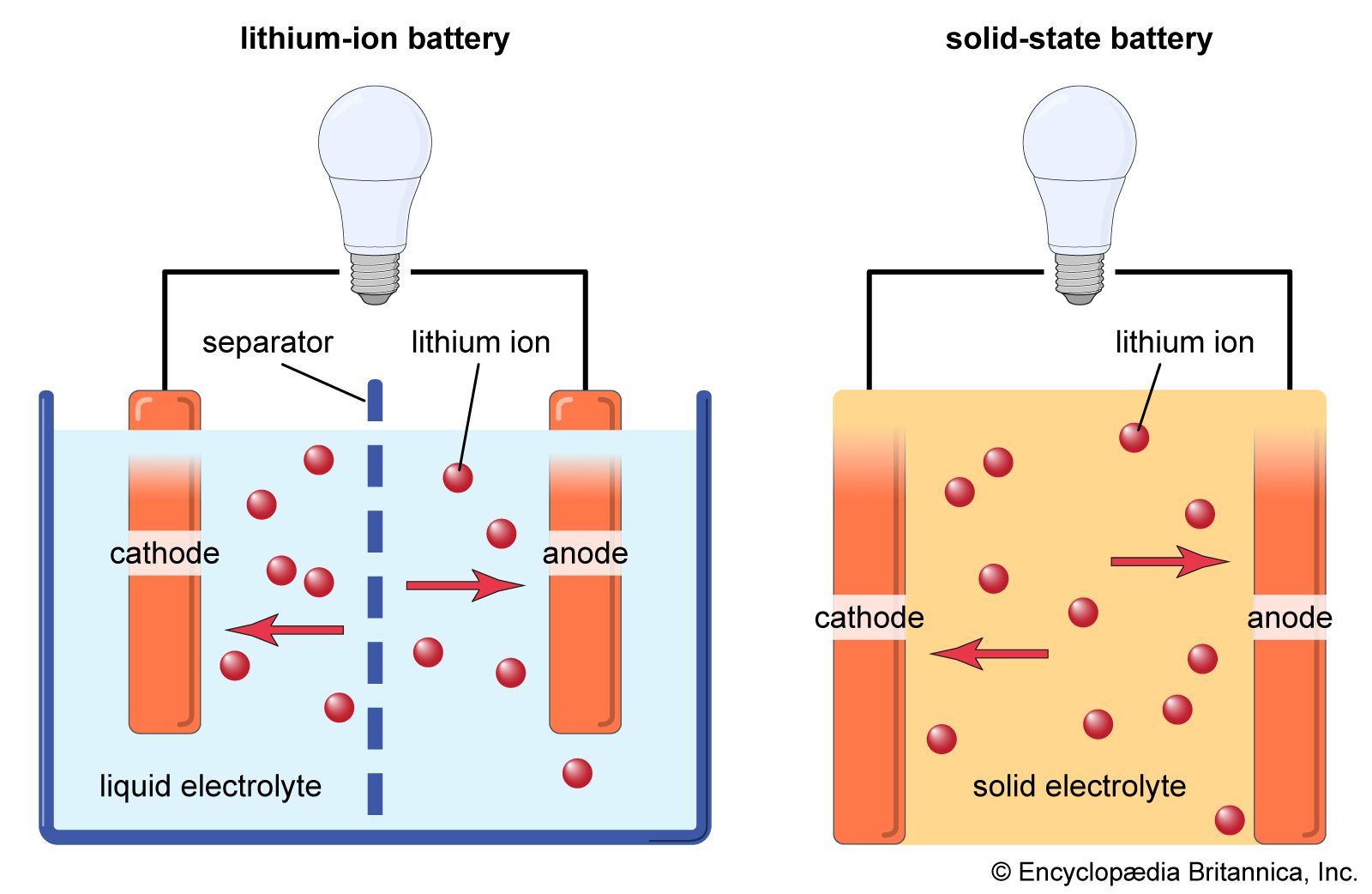
We’re also starting to see the emergence of newer technologies like solid-state batteries. These offer potential improvements in energy density, safety, and lifespan, but are currently more expensive and not widely available. Self-discharge is a key consideration. Alkaline batteries can lose up to 2% of their charge per year, while Lithium primary batteries hold their charge much longer, losing less than 1% annually. Choosing the right battery type depends on the specific device and your priorities.
Top 5 batteries for 2026
Ranking the "best" batteries isn't simple. Raw mAh ratings don’t always translate to real-world performance in IoT devices. Factors like internal resistance and discharge characteristics play a significant role. Based on recent testing and data from user reports – including observations from the popularity of games like Battery Run which demonstrate user engagement with battery life – here’s my take on the top 5 performers for 2026.
1. Energizer Ultimate Lithium AAA: These consistently top longevity tests in low-drain devices like door/window sensors and remote controls. They're expensive, but the extended lifespan often justifies the cost. Expect at least 8-10 years of life in a typical sensor application. Drawback: Overkill for high-drain devices.
2. Duracell Coppertop Alkaline AA: A reliable and affordable all-rounder. They perform well in a wide range of devices, from TV remotes to game controllers. They won't last as long as lithium batteries, but they offer a good balance of price and performance. Expect around 2-3 years in moderate-drain applications.
3. Panasonic Eneloop Pro Rechargeable AA: For devices you use frequently, rechargeable batteries are a smart investment. The Eneloop Pro offer excellent capacity retention and can be recharged hundreds of times. They’re especially good for devices that draw a steady current. Drawback: Initial investment is higher.
4. Amazon Basics Lithium CR2032 Coin Cell: These are a cost-effective option for devices that use coin cell batteries, like key fobs and fitness trackers. They offer good longevity and reliability. They’re not the absolute longest-lasting coin cells, but they provide excellent value. Expect 3-5 years in typical applications.
5. Rayovac High Energy Alkaline 9V: While 9V batteries aren’t as common in IoT devices, they’re still used in some security systems and smoke detectors. Rayovac High Energy offer a good balance of performance and price. They’re designed to prevent leakage, which is a common problem with 9V batteries. Expect around 1-2 years of life.
Featured Products

Lithium technology for 1.5V power · Designed for high-drain devices · 24-count pack
These highly-rated batteries are ideal for powering your smart home sensors, ensuring reliable performance and longevity for your connected devices.

Alkaline 1.5V batteries · 36-count pack · 10-year shelf life
These highly-rated batteries are ideal for powering your smart home sensors, ensuring reliable performance and longevity for your connected devices.

CR2032 lithium coin cell · 4-count pack · Child safety features
These highly-rated batteries are ideal for powering your smart home sensors, ensuring reliable performance and longevity for your connected devices.

CR123A 3V lithium photo batteries · 4-count pack · Designed for photo and high-drain devices
These highly-rated batteries are ideal for powering your smart home sensors, ensuring reliable performance and longevity for your connected devices.
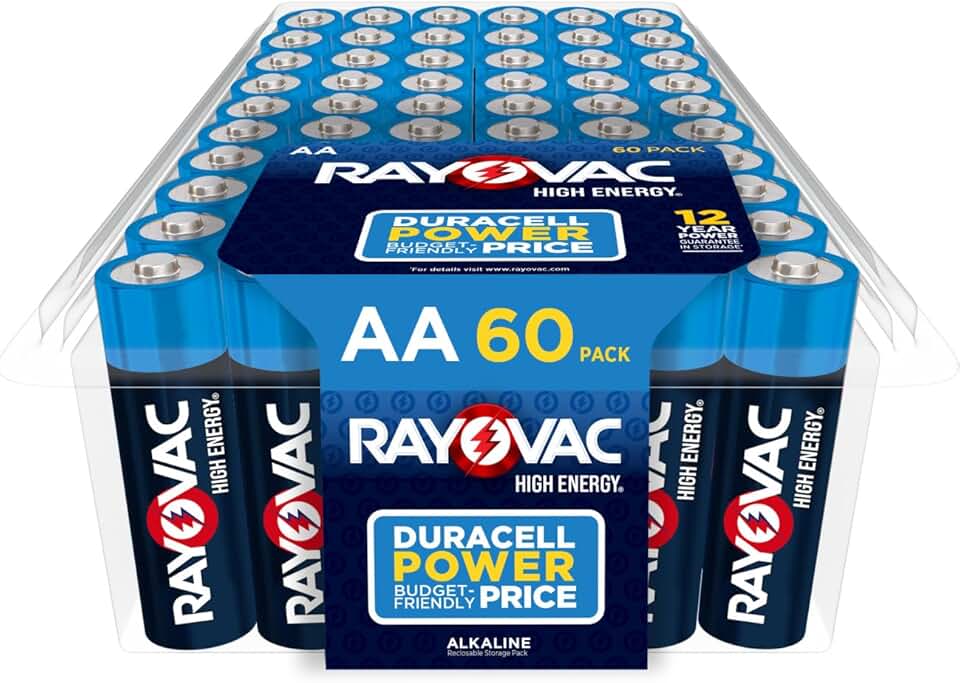
AA alkaline batteries · 60-count pack · Reliable power for everyday devices
These highly-rated batteries are ideal for powering your smart home sensors, ensuring reliable performance and longevity for your connected devices.
As an Amazon Associate I earn from qualifying purchases. Prices may vary.
Specs that actually matter
Battery specifications can seem confusing, but understanding a few key terms can help you make informed choices. mAh (milliampere-hour) is a measure of battery capacity – essentially, how much energy the battery can store. A higher mAh rating generally means longer battery life, but it's not the whole story. The discharge rate of the device is equally important.
Voltage is the electrical potential difference – it must match the device’s requirements. Using a battery with the wrong voltage can damage the device. Peak current refers to the maximum amount of current the battery can deliver instantaneously, while continuous current is the amount of current it can deliver over a sustained period. Devices that require bursts of power, like motors, need batteries with a high peak current rating.
Internal resistance is the silent killer for smart cameras. If the resistance is too high, the battery can't dump enough power quickly when the camera triggers its night vision LEDs. I'm not sure how much this affects simple contact sensors, but for anything with a motor or a radio, it's more important than the total capacity listed on the box.
How protocols affect longevity
As mentioned earlier, the communication protocol used by your smart home devices significantly impacts battery life. Protocols like Zigbee and Z-Wave are designed for low-power operation. They achieve this by minimizing data transmission, using low transmission power, and employing efficient sleep modes. These protocols create a mesh network, where devices can relay messages to each other, reducing the distance each device needs to transmit.
There's a trade-off, though. Lower power consumption often comes at the expense of range or data rate. Zigbee generally offers a longer range than Z-Wave, but Z-Wave typically has a faster data rate. Emerging protocols like Thread and Matter aim to combine the best of both worlds, offering low power consumption, long range, and high data rates.
Understanding these protocols isn’t about picking a "winner’ – it’s about recognizing that the battery life of your devices isn’t solely dependent on the battery itself. The way a device communicates, and the network it"s connected to, are equally important factors.
Fixing common power problems
Even with the best batteries and practices, you’ll inevitably encounter battery-related problems. Devices that drain batteries quickly often have a software issue or a hardware fault. Try resetting the device or updating its firmware. If the problem persists, contact the manufacturer. Devices that don’t work even with new batteries may have a faulty battery compartment or internal circuitry.
False low-battery warnings can be caused by a variety of factors, including weak batteries, corrosion in the battery compartment, or a software glitch. Try cleaning the battery contacts and ensuring the batteries are properly installed. If the problem continues, consider replacing the device. Some devices are simply power-hungry and will always require frequent battery changes.
Ultimately, diagnosing battery issues can be frustrating. Remember to rule out the obvious – incorrect battery type, poor battery contacts – before assuming a more serious problem. A little troubleshooting can often save you time and money.
No comments yet. Be the first to share your thoughts!