

Choose the right battery type
Your GEM’s longevity starts with the power source. While flooded lead-acid batteries are the traditional standard, lithium-ion packs offer a significant upgrade for daily drivers. Understanding the trade-offs between these two battery gem technologies helps you decide which fits your usage patterns.
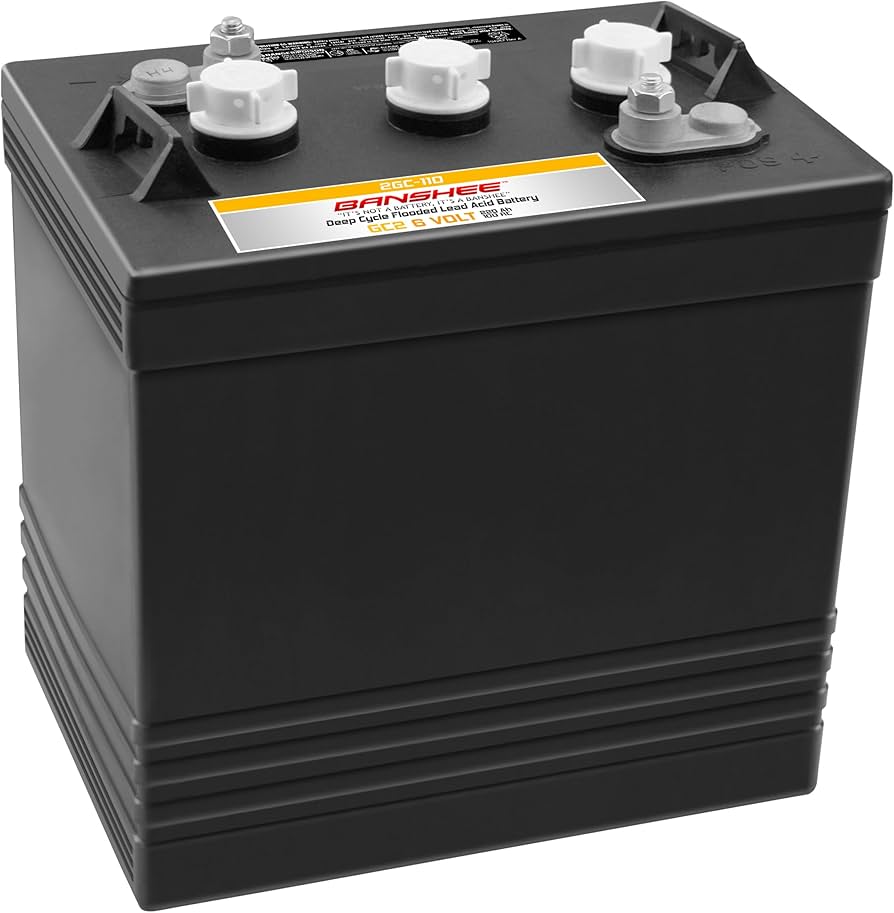
Lead-acid batteries are cheaper upfront but require regular maintenance. You must check water levels and ensure equalization charges to prevent sulfation. Lithium-ion batteries, however, are sealed and maintenance-free. They hold a charge longer and deliver consistent power until they are nearly depleted.
The following comparison highlights the key differences to help you weigh the initial investment against long-term value.
| Feature | Flooded Lead-Acid | Lithium-Ion |
|---|---|---|
| Upfront Cost | Low | High |
| Lifespan (Cycles) | 500–800 | 2,000–5,000 |
| Maintenance | Regular water/top-up | None required |
| Weight | Heavy | Lightweight |
| Depth of Discharge | 50% recommended | 80–100% safe |
Lithium-ion packs can last up to five times longer than lead-acid equivalents. This means you may never need to replace the battery on your GEM, even with heavy daily use. The lighter weight also improves acceleration and handling.


As an Amazon Associate, we may earn from qualifying purchases.
If you drive your GEM frequently or need maximum range, lithium-ion is the better long-term choice. For occasional weekend use, lead-acid remains a cost-effective option. Always verify compatibility with your specific GEM model before purchasing.
Charge your battery correctly
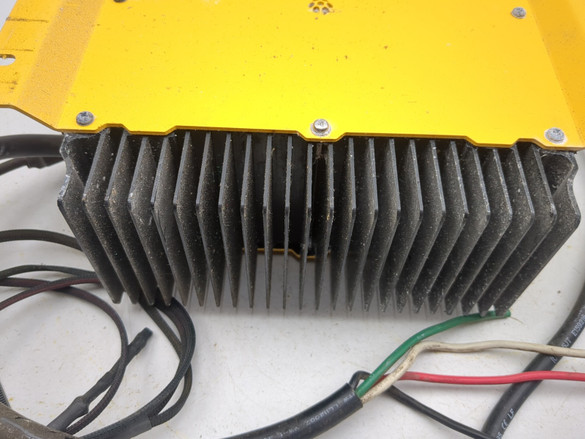
Proper charging is the single most important factor in extending the life of your battery gem. Whether you operate a lithium-ion or lead-acid model, the charging routine must align with the specific chemistry to prevent premature degradation. Treat the charging process not as a nightly chore, but as a strategic maintenance window.
1. Plug in after every use
For lithium-ion models, adopt an "opportunity charging" strategy. Lithium batteries do not suffer from the memory effect found in older technologies, meaning you can top them off whenever convenient. Plugging in the battery gem immediately after a shift or daily commute keeps the cells in their optimal voltage range and prevents deep discharge cycles that strain the battery management system (BMS).
2. Disconnect when full
Avoid leaving the charger connected indefinitely once the battery reaches 100%. While modern chargers often switch to a maintenance mode, prolonged exposure to full charge can generate heat and accelerate chemical aging. Unplug the charger as soon as the indicator light confirms a full charge. This simple discipline ensures your battery gem remains stable and ready for the next day's work.
3. Follow deep cycle discipline for lead-acid
If your fleet uses lead-acid batteries, the rules change significantly. These batteries require a complete discharge and recharge cycle to prevent sulfation, a process where lead sulfate crystals harden on the plates and reduce capacity. Allow the battery to drop to about 20-30% before charging, and then charge continuously until fully topped off. Never leave lead-acid batteries in a partially charged state, as this will permanently damage them.
4. Charge in a cool, dry environment
Temperature plays a critical role in charging efficiency and safety. Always charge your battery gem in a shaded, well-ventilated area away from direct sunlight or extreme cold. High temperatures can cause lithium cells to overheat during charging, while freezing conditions can prevent lead-acid batteries from accepting a charge properly. A stable environment protects the internal components and extends overall service life.
Maintain water levels and terminals
Lead-acid batteries require regular physical maintenance to perform correctly. If your GEM electric vehicle uses flooded lead-acid cells, you must check water levels and clean terminals to prevent corrosion and ensure consistent power delivery. Lithium-ion batteries in newer GEM models do not require watering or terminal cleaning, so skip these steps if your vehicle is equipped with lithium packs.
Check water levels
Flooded lead-acid batteries lose water over time through electrolysis during charging. Low water levels expose the plates to air, causing rapid sulfation and permanent capacity loss. Check levels every 30 days or after every 10 charges.
- Remove the battery caps carefully.
- Inspect the water level in each cell. The water should cover the plates but not overflow.
- If low, add distilled water only. Tap water contains minerals that damage the battery internals.
- Do not overfill. Leave a small air gap (about 1/8 inch) below the fill well to allow for expansion during charging.
Warning: Never mix water types. Using tap or mineral water introduces impurities that accelerate corrosion. Overfilling causes acid to spill during charging, which can damage your battery gem and surrounding components.
Clean terminals and cables
Corrosion on terminals increases electrical resistance, leading to voltage drops and poor performance. Clean the terminals every few months or whenever you notice white or blue crusty buildup.
- Disconnect the negative cable first, then the positive.
- Mix a solution of baking soda and water to neutralize acid residue.
- Scrub the terminals and cable ends with a wire brush until shiny.
- Rinse with clean water and dry thoroughly.
- Reconnect the positive cable first, then the negative. Apply a thin layer of dielectric grease to prevent future corrosion.
Keeping these simple tasks on schedule extends the life of your battery gem and ensures your GEM vehicle starts reliably every time.
Store your GEM car properly
Leaving your GEM electric vehicle parked for weeks or months invites battery gem degradation. Lead-acid batteries self-discharge even when idle, and deep discharges permanently reduce their capacity. Lithium models are more resilient but still require periodic attention to maintain health. Follow this sequence to protect your investment during seasonal storage.
1. Charge to full before parking
Connect your GEM to the charger and let it reach 100% capacity. A fully charged battery resists sulfation (in lead-acid) and holds voltage better over time. Do not store the vehicle with a low or partial charge.
2. Disconnect the main battery switch
If your GEM model has a main power disconnect switch, turn it off. This prevents the vehicle’s computer and accessories from draining power while parked. If your model lacks a switch, consider disconnecting the negative battery terminal to break the circuit entirely.
3. Check tire pressure
Park on a level surface and inflate tires to the recommended PSI. Over time, tires lose air, and sitting in one position can cause flat spots. Slightly overinflating by 2–3 PSI can help maintain shape during long storage periods.
4. Store in a cool, dry place
Heat accelerates battery chemical reactions and degrades cells faster. Cold temperatures reduce available capacity but are less damaging than extreme heat. Keep your GEM in a garage or covered area away from direct sunlight and moisture.
5. Inspect every 30–60 days
Even disconnected batteries lose charge slowly. Every month or two, check the voltage and recharge if it drops below 12.2V for lead-acid or 50% for lithium. This simple habit prevents deep discharge damage and extends the life of your battery gem.
Watch for signs of wear
Your GEM battery tells you when it’s tired before it leaves you stranded. You don’t need a mechanic to spot the early warnings. Just pay attention to how the vehicle behaves during daily use. Catching these signs early lets you address minor issues before they become costly replacements.
Start by tracking your range. If your battery gem no longer holds the charge it used to, that’s the first red flag. A sudden drop in mileage after a full charge often means cells are degrading. Keep a simple log of how far you drive on a single charge. Consistent decline is a clear indicator that the battery is losing capacity.
Next, notice the acceleration. A healthy battery delivers power smoothly. If you feel hesitation or sluggishness when pressing the accelerator, the battery might be struggling to deliver peak current. This isn’t just about performance; it’s about safety. Weak acceleration can make it hard to merge or climb hills.
Don’t ignore the charger lights either. If the indicator stays red for hours after you plug in, or if it flashes erratically, the battery management system (BMS) is detecting a fault. These lights are your direct line to the battery’s health.
If you notice these symptoms, don’t wait. Early diagnosis can save you from being stuck on the road. A quick diagnostic check can tell you if you need a simple reset or a professional service.
Common gem battery: what to check next
Addressing specific concerns about your battery gem helps you make informed decisions about ownership and disposal.
Work through The Battery

No comments yet. Be the first to share your thoughts!