

Know your GEM battery type
When owners search for "GEM battery" information, they are usually looking for replacement or maintenance advice for their Global Electric Motorcars vehicle. These low-speed vehicles (LSVs) rely on specific battery architectures that differ significantly from the lithium packs found in modern high-speed EVs or the standard 12V lead-acid batteries in gasoline cars. Understanding this distinction is the first step toward extending your vehicle's range and lifespan.
Most GEM vehicles, such as the E2, E4, E6, and E8 series, utilize a series of 6V or 12V batteries to create a 36V, 48V, or 72V system. The two primary technologies used in these packs are flooded lead-acid and Absorbent Glass Mat (AGM). While both serve the same purpose, their maintenance requirements and longevity profiles vary. Flooded lead-acid batteries are the traditional standard, requiring regular watering and equalization charges. AGM batteries are sealed and maintenance-free but are more sensitive to charging voltages and heat.
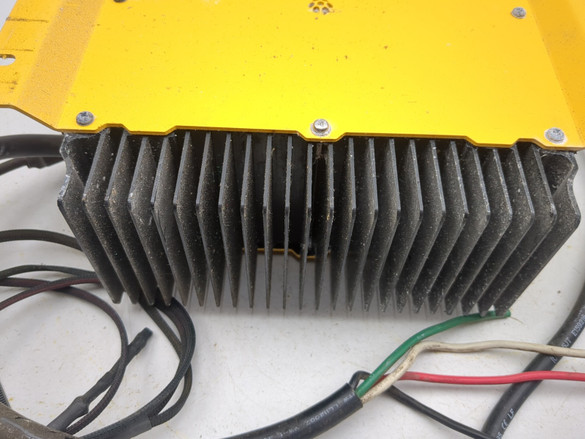
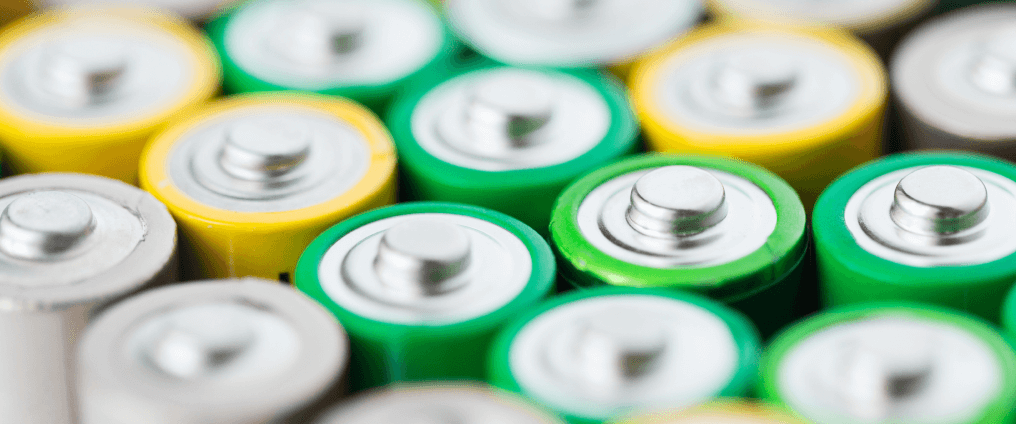
To determine which type you have, inspect the battery terminals and casing. Flooded batteries often have removable caps on top, allowing access to the electrolyte levels. AGM batteries are sealed units with no access points. If you are unsure, consult your vehicle's manual or look for the battery label, which will specify the chemistry and voltage. Using the correct charger for your specific battery type is critical, as overcharging AGM batteries can lead to permanent damage, while undercharging flooded batteries causes sulfation.
Check water levels monthly
Flooded lead-acid batteries are the most common power source for older GEM (Global Electric Motorcars) models, but they demand regular attention to survive. Unlike sealed AGM batteries, flooded cells require distilled water to cover the lead plates. If the electrolyte drops below the plates, the exposed sections will sulfate and crumble, permanently reducing your battery's capacity. This maintenance is simple but non-negotiable for extending battery life.
1. Prepare the vehicle and safety gear
Park your GEM on a level surface and turn off the ignition. Remove the key to prevent any accidental power surges. Put on safety glasses and rubber gloves. The electrolyte inside the battery is sulfuric acid, which can burn skin and damage paint. Work in a well-ventilated area to avoid inhaling any hydrogen gas that may escape during charging or testing.
2. Remove the battery caps
Locate the battery pack, usually found under the seat or in the rear cargo area. Identify the individual 6V or 12V batteries. Unscrew the plastic vent caps on top of each cell. Keep them in a safe place so you don't lose them. If the caps are stuck, gently wiggle them; do not force them with metal tools that could spark.
3. Inspect the electrolyte level
Look into each cell through the open vent. You should see the lead plates submerged in a clear or slightly cloudy liquid. The level should be just below the bottom of the fill well. If you can see the tops of the plates, the battery is critically low. If the liquid is dark or murky, the battery may be sulfated beyond repair. Note which cells are low before proceeding.
4. Add distilled water
Use only distilled or deionized water. Tap water contains minerals that will ruin the battery chemistry. Slowly pour water into each cell until the liquid reaches the base of the fill well or just covers the plates. Do not overfill; the electrolyte expands when the battery charges. If you fill it to the brim, acid will splash out during the next charge cycle, causing corrosion and safety hazards.
5. Replace caps and clean up
Screw the vent caps back on tightly to prevent acid from leaking during transport. Wipe away any spilled water with a damp cloth. Inspect the battery terminals for corrosion. If you see white or blue crusty deposits, clean them with a mixture of baking soda and water and a wire brush. This ensures good electrical contact and prevents power loss.
Note: Never check water levels on a fully charged battery. The electrolyte expands when charged, which can lead to overfilling. Check levels when the battery is in a discharged or partially charged state, then charge it immediately after topping off.
Charge After Every Use
The single most effective way to extend the life of your GEM battery pack is to plug it in immediately after you finish driving. Think of your 6V or 12V lead-acid batteries like a sponge: if you leave them empty for days, they harden and lose their ability to hold a charge. This process, known as sulfation, is the primary reason GEM batteries fail prematurely. By charging right after use, you keep the chemical plates active and prevent permanent damage.
The Sulfation Problem
When a lead-acid battery sits in a discharged state, lead sulfate crystals form on the internal plates. These crystals are normal during discharge, but if the battery remains at a low voltage for an extended period, the crystals grow large and hard. They become difficult to reverse during the next charging cycle, effectively reducing the battery's capacity and lifespan. This is especially critical for GEM vehicles, which often sit idle between short neighborhood trips. Leaving the vehicle unplugged for even 24-48 hours after a drive can start this degradation process.
Flooded vs. AGM Maintenance
Your charging routine depends on whether your GEM uses flooded lead-acid or AGM (Absorbent Glass Mat) batteries. Flooded batteries require more attention. You must check the water levels regularly and top them off with distilled water after charging, not before. Overfilling can cause acid to spill during charging, while underfilling exposes plates to air, leading to rapid failure. AGM batteries are sealed and maintenance-free, but they are still vulnerable to deep discharge. Both types benefit equally from the "charge immediately" rule.
Charging Best Practices
- Plug in immediately: Connect the charger as soon as you park the vehicle. Do not wait until the next day.
- Use the correct charger: Always use the charger specified by GEM for your specific battery voltage (6V or 12V). Using a mismatched charger can damage the cells.
- Charge in a ventilated area: Lead-acid batteries emit hydrogen gas while charging. Ensure the area is well-ventilated to prevent gas buildup.
- Avoid partial charges: While frequent short charges are better than deep discharges, try to complete full charge cycles when possible to balance the cells.
By making "charge after every use" a non-negotiable habit, you protect your investment and ensure your GEM remains reliable for years. This simple step is more impactful than any aftermarket accessory or tuning mod.
Balance cells during equalization
GEM vehicles typically run on 6V or 12V battery packs where individual cells must work in unison. Over time, minor differences in capacity or internal resistance cause cells to drift out of sync. One cell may reach full charge while another remains undercharged, or a weak cell gets overworked. This imbalance shortens the life of the entire pack. Equalization charging is the process of applying a controlled overcharge to bring all cells back to the same voltage level.
Think of equalization like tuning a guitar. If one string is slightly flat, the whole chord sounds off. By tightening that specific string to match the others, you restore harmony. In a GEM battery pack, equalization ensures that every 6V or 12V block contributes equally to the total voltage, preventing premature failure of the weakest link.
The method for equalization depends heavily on your battery type. Flooded lead-acid batteries require regular equalization to prevent sulfation and stratification. AGM (Absorbent Glass Mat) batteries, common in newer GEM models, generally do not need equalization and can be damaged by it. Always check your battery manual before attempting this procedure.
For flooded lead-acid batteries, equalization involves charging the pack to a higher voltage than normal for a limited time. This causes gentle gassing, which mixes the electrolyte and dissolves sulfate crystals. Use a smart charger with an equalization mode, or manually extend the charge time by 2–4 hours after the charger indicates full. Monitor the specific gravity of each cell; equalization is complete when readings stabilize and no longer increase over two hours.
Never equalize AGM batteries. Their sealed design and recombination technology mean that overcharging leads to heat buildup and permanent damage. If your GEM uses AGM batteries, focus on regular, complete charges instead of equalization. Using the wrong maintenance strategy can destroy your battery pack faster than normal use.
Store batteries correctly in winter
Cold weather is the enemy of lead-acid batteries. When temperatures drop, a GEM’s 6V or 12V battery pack loses capacity and charges more slowly. If left in a discharged state, the electrolyte in flooded lead-acid batteries can freeze, cracking the case and ruining the battery forever. AGM batteries resist freezing better, but they still suffer from rapid self-discharge in the cold.
To keep your GEM battery life intact through the off-season, follow this winterization process. The goal is to start with a full charge and maintain it in a stable environment.
Before storing the vehicle, turn the key to the off position and remove the key. Disconnect the negative (black) cable first, followed by the positive (red) cable. This prevents the vehicle’s electronics from draining the battery while it sits idle. Clean any corrosion from the terminals with a wire brush before reattaching them later.

Connect a smart charger to your GEM battery pack. Ensure the battery is at 100% state of charge before storage. A fully charged flooded lead-acid battery has a freezing point well below typical winter temperatures, whereas a discharged battery can freeze at 32°F (0°C). For AGM batteries, a full charge also minimizes sulfation, which permanently reduces capacity.

Move the GEM to a garage or shed where the temperature remains consistent. Avoid storing the vehicle or the batteries in an unheated attic or damp basement, where humidity causes corrosion and temperature swings accelerate self-discharge. If you cannot store the vehicle, remove the batteries and keep them indoors on a wooden pallet or shelf, away from concrete floors which can draw out charge.

Lead-acid batteries lose charge over time, even when disconnected. Check the voltage once a month. If it drops below 12.4V for a 12V battery (or 6.2V for a 6V battery), recharge it immediately. Using a maintenance-style smart charger that automatically switches to float mode is the safest way to keep your GEM batteries healthy all winter long.
-
Vehicle turned off and key removed
-
Negative cable disconnected
-
Positive cable disconnected
-
Terminals cleaned and inspected
-
Battery pack charged to 100%
-
Batteries moved to climate-controlled space
-
Monthly charging schedule set
Common GEM battery mistakes
Even with a robust 36V or 48V pack, user error is the fastest way to kill your GEM batteries. These low-speed EVs use specific 6V or 12V flooded lead-acid or AGM configurations that demand precise handling. Avoid these frequent pitfalls to extend your battery life.
Using the wrong water
Never use tap water. The minerals in tap water coat the battery plates, causing rapid sulfation and permanent capacity loss. Always use distilled or deionized water. If your GEM uses flooded lead-acid batteries like the Trojan or Deka Group 31, check the water levels monthly and top them off only after a full charge. Keep the water just below the fill well—overfilling causes acid spillage during charging.
Over-tightening the caps
Flooded lead-acid batteries need to vent gases during charging. If you screw the caps on too tightly, pressure builds up inside the cell. This can crack the case or warp the internal components. Tighten the caps just enough to create a seal against dirt and debris, but ensure they can still be opened by hand without excessive force.
Using the wrong charger
GEM vehicles require chargers specifically matched to their voltage and amperage. Using a standard 12V car charger or an incompatible lithium charger can fry the battery management system or cause uneven charging across the series-parallel pack. Always use the GEM-approved charger or a replacement that strictly matches the original specifications for your vehicle’s voltage.
GEM Battery Maintenance FAQs
Understanding how your specific battery type handles maintenance is the difference between a dead vehicle and a long-lasting one. GEM low-speed vehicles typically use 6V or 12V lead-acid batteries, but the maintenance required depends entirely on whether you have flooded cells or sealed AGM units.
The confusion often stems from the brand name "GEM" being associated with large-scale stationary energy storage (like the GEMBATTERY I GL Series mentioned in some search results). For your low-speed EV, you are dealing with traction batteries designed for deep cycling, not stationary float service. Treat them accordingly.
No comments yet. Be the first to share your thoughts!