

The state of batteries in 2024
Lithium-ion batteries power almost everything we use, from the phone in your pocket to the Tesla in your driveway. They are cheap and hold a decent charge, but they have a nasty habit of catching fire if the liquid electrolyte gets too hot. This safety risk is the main reason researchers are desperate to find a solid alternative.
Estimates suggest lithium-ion batteries currently hold around 95% of the portable energy storage market. While exact figures fluctuate, that share is a clear indicator of their current position. The demand for better batteries is growing exponentially, fueled by the electric vehicle revolution and the increasing reliance on portable electronics. This demand isn’t just about more power; it’s about safer, longer-lasting, and more sustainable energy storage solutions.
The push for alternatives isn’t just about addressing lithium-ion’s weaknesses. The geopolitical implications of lithium sourcing, and the environmental impact of mining, are also significant factors. While lithium-ion technology continues to improve, many believe that a fundamentally different approach is needed to meet the long-term energy storage needs of a rapidly evolving world. That’s where solid-state batteries come into the picture.
The current landscape is one of incremental improvements to lithium-ion alongside a frantic race to commercialize solid-state technology. It's a fascinating period, with a lot of investment and a lot of uncertainty. We’re seeing a lot of companies betting on different approaches, and it's still too early to say which ones will ultimately succeed. But the need for better batteries is undeniable, and the stakes are incredibly high.
Why lithium-ion is still the standard
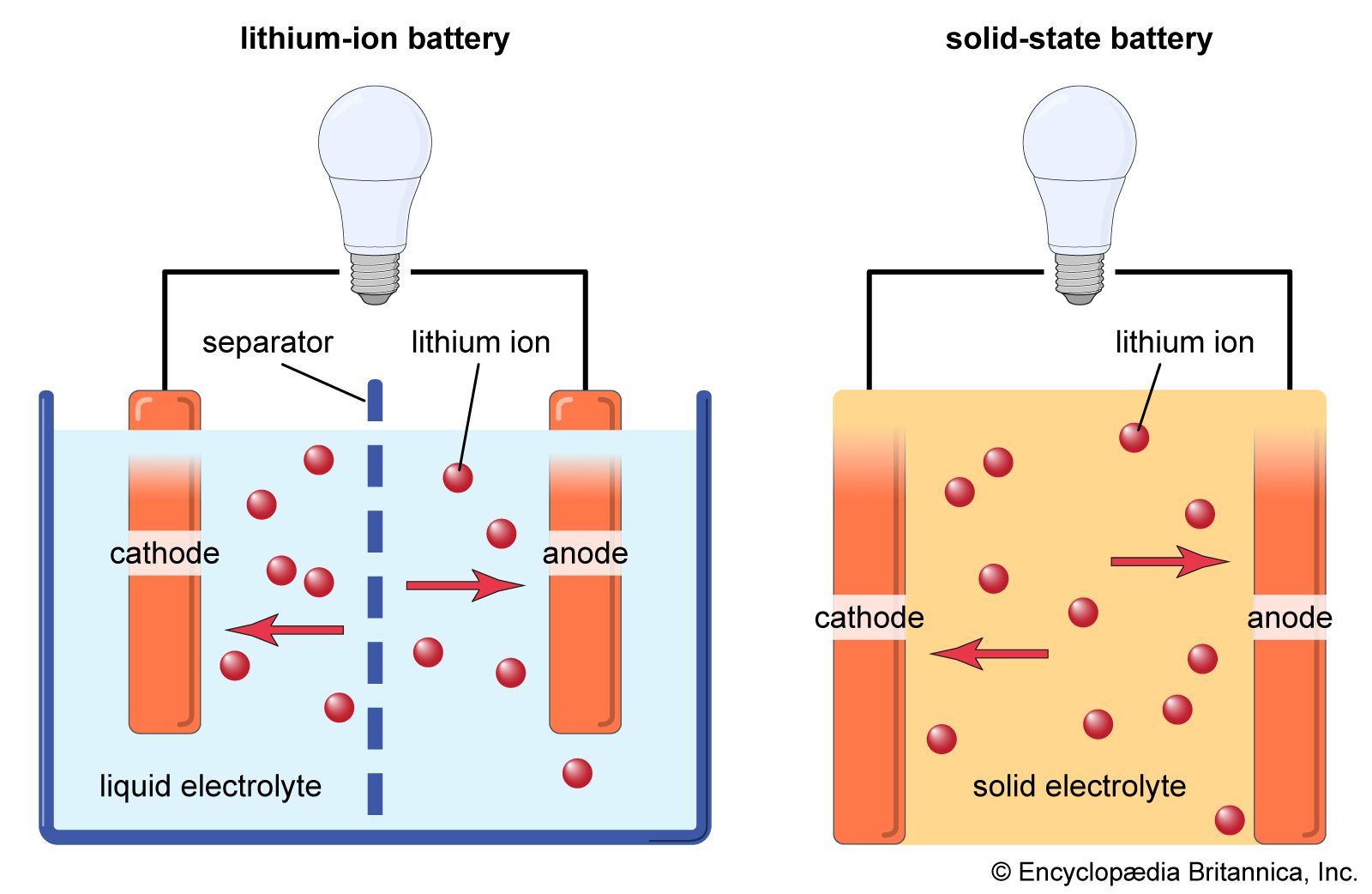
Lithium-ion batteries work by moving lithium ions between a positive electrode (cathode) and a negative electrode (anode) through a liquid or gel electrolyte. A separator prevents short circuits. The specific materials used for each component determine the battery’s characteristics. It sounds simple, but the chemistry is complex and constantly being refined.
There’s no single "lithium-ion" battery. Different chemistries offer different trade-offs. NMC (Nickel Manganese Cobalt) is popular in EVs due to its high energy density, but it can be less stable. NCA (Nickel Cobalt Aluminum) is another high-energy option, often used by Tesla. LFP (Lithium Iron Phosphate) is gaining traction because of its improved safety and longer lifespan, though it has lower energy density – it's commonly found in buses and energy storage. LTO (Lithium Titanate) offers very fast charging and a long cycle life, but is expensive and has lower energy density, limiting its use to specialized applications.
LFP batteries, for example, are becoming increasingly popular despite their lower energy density because they don't contain nickel or cobalt, addressing supply chain and ethical concerns. Tesla has begun incorporating LFP batteries into their standard range vehicles, a clear indication of this shift. The cost of LFP batteries has also fallen significantly, making them a more competitive option.
Manufacturers are constantly working to improve lithium-ion technology. This includes optimizing electrode materials, developing new electrolytes to improve conductivity and stability, and refining manufacturing processes to reduce costs. Solid-state electrolytes are even being explored within lithium-ion designs as a way to improve safety before a full transition to solid-state is possible. We're seeing improvements in energy density, charging speed, and cycle life, but these gains are becoming increasingly marginal.
- NMC batteries offer high energy density and power most modern EVs.
- NCA: Also high energy density, favored by Tesla in some models.
- LFP is the safer, cheaper option that Tesla uses for its standard-range cars, even though it holds less energy.
- LTO: Very fast charging, long cycle life, but expensive and low energy density.
What solid-state actually changes
Solid-state batteries represent a fundamental shift in battery technology. The key difference is the replacement of the liquid or gel electrolyte found in traditional lithium-ion batteries with a solid electrolyte. This seemingly small change has the potential to unlock significant improvements in performance and safety.
The appeal is simple: solid-state batteries don't explode. Because the electrolyte is a solid chunk of material rather than a flammable liquid, you can pack cells tighter together. This means your next phone could be half as thick or last twice as long on a single charge. We're also looking at charging speeds that could hit 80% in under ten minutes.
There are several types of solid electrolytes being researched. Polymer electrolytes are flexible and easy to manufacture, but generally have lower ionic conductivity. Oxide electrolytes offer good stability but can suffer from interface resistance. Sulfide electrolytes boast high ionic conductivity but are sensitive to moisture and air. Each type presents its own unique challenges and opportunities.
However, solid-state batteries aren't without their hurdles. Manufacturing scalability is a significant challenge – producing solid electrolytes on a large scale and integrating them into battery cells is complex and expensive. Cost is another major barrier. Interface resistance – the resistance to ion flow between the solid electrolyte and the electrodes – is a persistent issue that affects performance. These challenges are substantial, and overcoming them will require significant investment and innovation.
- Polymer Electrolytes: Flexible, easy to manufacture, lower conductivity.
- Oxide Electrolytes: Good stability, interface resistance issues.
- Sulfide Electrolytes: High conductivity, sensitive to moisture.
Lithium-Ion vs. Solid-State Battery Comparison (Projected for 2026)
| Characteristic | Lithium-Ion (NMC) | Lithium-Ion (LFP) | Solid-State (Polymer) | Solid-State (Sulfide) |
|---|---|---|---|---|
| Energy Density | High | Medium | Potentially Higher | High |
| Safety | Moderate - Requires robust safety features | High - Inherently safer chemistry | Significantly Improved | Improved, but sulfide can present challenges |
| Cost | Moderate | Lower | Currently High | High |
| Lifespan | Good - Degrades with cycle count | Excellent - Longer cycle life | Potentially Longer | Potentially Longer, dependent on sulfide stability |
| Charging Speed | Fast | Moderate | Faster Potential | Faster Potential |
| Manufacturing Complexity | Established - Relatively mature process | Established - Relatively mature process | Significant Challenge - New processes needed | Significant Challenge - Material and process hurdles |
Qualitative comparison based on the article research brief. Confirm current product details in the official docs before making implementation choices.
2026 Projections: Adoption Rates
Predicting the adoption rate of solid-state batteries by 2026 is tricky. A complete takeover of the battery market is highly unlikely. Manufacturing challenges and high costs will limit widespread adoption. However, we can expect to see solid-state batteries appear in niche applications where their benefits outweigh the costs.
BloombergNEF, in a 2023 report, projects limited solid-state battery production by 2026, primarily focused on high-value applications like wearables and potentially some high-end smartphones. McKinsey forecasts a more gradual ramp-up, with solid-state batteries representing a small but growing percentage of the EV battery market by 2026 – perhaps around 1-2% of total EV battery production.
EVs are the most talked-about application, but the initial adoption will likely be in smaller devices. Wearables, medical devices, and drones could benefit significantly from the increased energy density and improved safety offered by solid-state batteries. These applications are less sensitive to cost and more focused on performance.
Several factors could accelerate or delay adoption. Breakthroughs in manufacturing processes and materials could lower costs and increase production capacity. Supportive government regulations and incentives could also play a role. Conversely, manufacturing bottlenecks, material shortages, and safety concerns could slow down progress. The timeline remains uncertain, but 2026 will likely be a year of initial deployments rather than mass adoption.
Key Players and Investments
Toyota has been a long-time investor in solid-state battery technology, announcing plans to incorporate them into their EVs as early as 2027. Their approach focuses on all-solid-state batteries with a sulfide electrolyte. They’ve been relatively quiet about specific details, but their commitment is substantial.
QuantumScape is a leading pure-play solid-state battery developer. They’re working on a solid electrolyte based on a ceramic separator and have demonstrated promising results in laboratory settings. However, scaling up production has proven challenging, and they’ve faced scrutiny regarding their technological progress. They have a partnership with Volkswagen.
Solid Power is another key player, also focused on sulfide-based solid electrolytes. They’ve partnered with BMW and Ford and are aiming to produce solid-state batteries for EVs by the mid-2020s. They are taking a different approach, building pilot production lines to address scalability issues.
Samsung SDI and CATL, two of the world’s largest lithium-ion battery manufacturers, are also heavily investing in solid-state technology. Samsung SDI is exploring both polymer and sulfide electrolytes, while CATL is focusing on semi-solid-state batteries – a hybrid approach that uses a gel polymer electrolyte to improve safety while maintaining some of the manufacturing advantages of traditional lithium-ion batteries.
Beyond 2026: The Long Game
Looking beyond 2026, both lithium-ion and solid-state technologies will likely continue to evolve. Lithium-ion will benefit from ongoing refinements in materials and manufacturing processes, squeezing out further improvements in energy density and cost. Solid-state batteries have the potential for more radical improvements, but overcoming the remaining challenges will take time and investment.
Emerging battery technologies like lithium-sulfur, sodium-ion, and metal-air are also vying for a piece of the energy storage pie. Lithium-sulfur offers potentially very high energy density, but suffers from issues with cycle life and sulfur dissolution. Sodium-ion batteries use more abundant and cheaper materials than lithium-ion, but have lower energy density. Metal-air batteries promise extremely high energy density, but face significant challenges with stability and reversibility.
Each technology has its fundamental limits. Lithium-ion is approaching its theoretical energy density limit. Solid-state batteries are limited by interface resistance and the cost of materials. Lithium-sulfur faces challenges with polysulfide shuttling. Metal-air batteries struggle with oxygen electrode degradation and electrolyte instability.
Breakthroughs in materials science, nanotechnology, and manufacturing processes will be crucial to overcoming these limits. New materials with higher ionic conductivity, improved stability, and lower cost are needed. Innovative manufacturing techniques are required to scale up production and reduce costs. The future of energy storage is likely to be a diverse landscape, with different battery technologies optimized for different applications.
Featured Products

512Wh LiFePO4 Battery · 500W AC Output (1000W Peak) · Solar Generator for Camping and Outdoors
This high-quality Lithium-Ion power station offers a reliable portable energy solution, showcasing the current capabilities of this dominant battery technology for consumers.
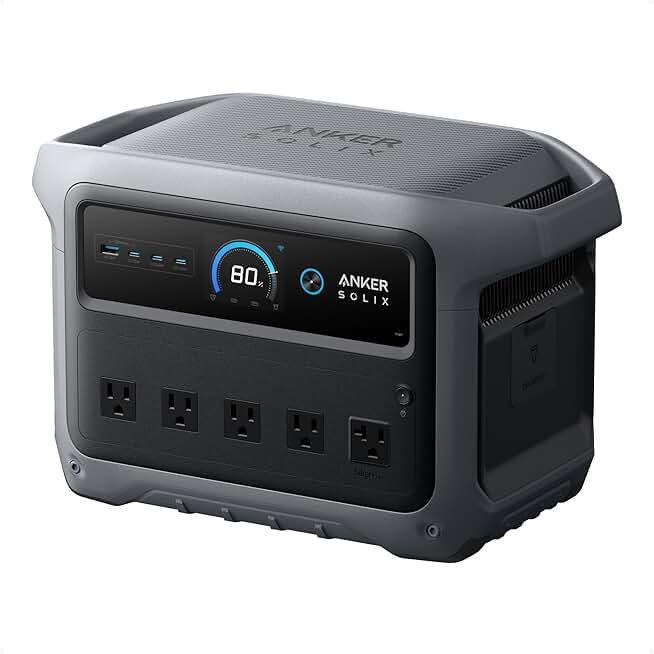
1,024Wh LiFePO4 Battery · 2,000W AC Output (3,000W Peak) · Full Charge in 49 Minutes
This high-quality Lithium-Ion power station offers a reliable portable energy solution, showcasing the current capabilities of this dominant battery technology for consumers.

297 Watt Hour LiFePO4 Battery · Water and Dustproof Design · Clean Renewable Off-Grid Power
This high-quality Lithium-Ion power station offers a reliable portable energy solution, showcasing the current capabilities of this dominant battery technology for consumers.

512Wh LiFePO4 Battery · Up to 1000W Output · 1 Hour Fast Charging
This high-quality Lithium-Ion power station offers a reliable portable energy solution, showcasing the current capabilities of this dominant battery technology for consumers.
As an Amazon Associate I earn from qualifying purchases. Prices may vary.
No comments yet. Be the first to share your thoughts!