

Why your EV needs a dedicated audio battery
I've seen plenty of EV owners drop thousands on subwoofers and amps only to watch their driving range plummet. If your system cuts out when you crank the volume, you're hitting the limits of your car's power management. EVs prioritize propulsion, and a heavy audio load creates voltage drops that mess with the car's stability.
Electric vehicles are designed to efficiently manage power for propulsion. Adding a high-demand audio system can strain the primary battery, leading to voltage drops and potentially impacting the vehicle’s range and stability. A dedicated auxiliary battery, specifically for your audio setup, solves this by providing a consistent and isolated power source.
Think of it like this: your EV's main battery is running the car, and your audio battery is solely dedicated to powering your sound system. This separation prevents the audio system from drawing power directly from the vehicle’s drive battery, preserving range and ensuring consistent audio performance. It's not always necessary – a modest audio upgrade might not require it – but for serious audio enthusiasts, it's a game changer.
When choosing an audio battery, you'll encounter different chemistries. The most common are lead-acid, Absorbed Glass Mat (AGM), and lithium-ion (often LiFePO4). Each has its strengths and weaknesses, which we'll explore in more detail, but understanding the basics now will help you make an informed decision. For EVs, weight and longevity are especially important considerations.
Choosing between lead, AGM, and lithium
Let's break down the three main battery chemistries you’ll encounter when building an EV audio system. Lead-acid batteries are the oldest and cheapest option. They’re readily available, but they’re also the heaviest and have the shortest lifespan, typically lasting around 2-3 years with regular use. They also don't handle deep discharges very well, which is common with high-powered audio systems.
AGM batteries are an improvement over lead-acid. They use a glass mat to hold the electrolyte, making them spill-proof and more vibration-resistant. AGM batteries offer better performance, longer lifespan (around 4-7 years), and can handle deep discharges better than lead-acid, but they’re still relatively heavy and more expensive. They’re a solid middle-ground option for many.
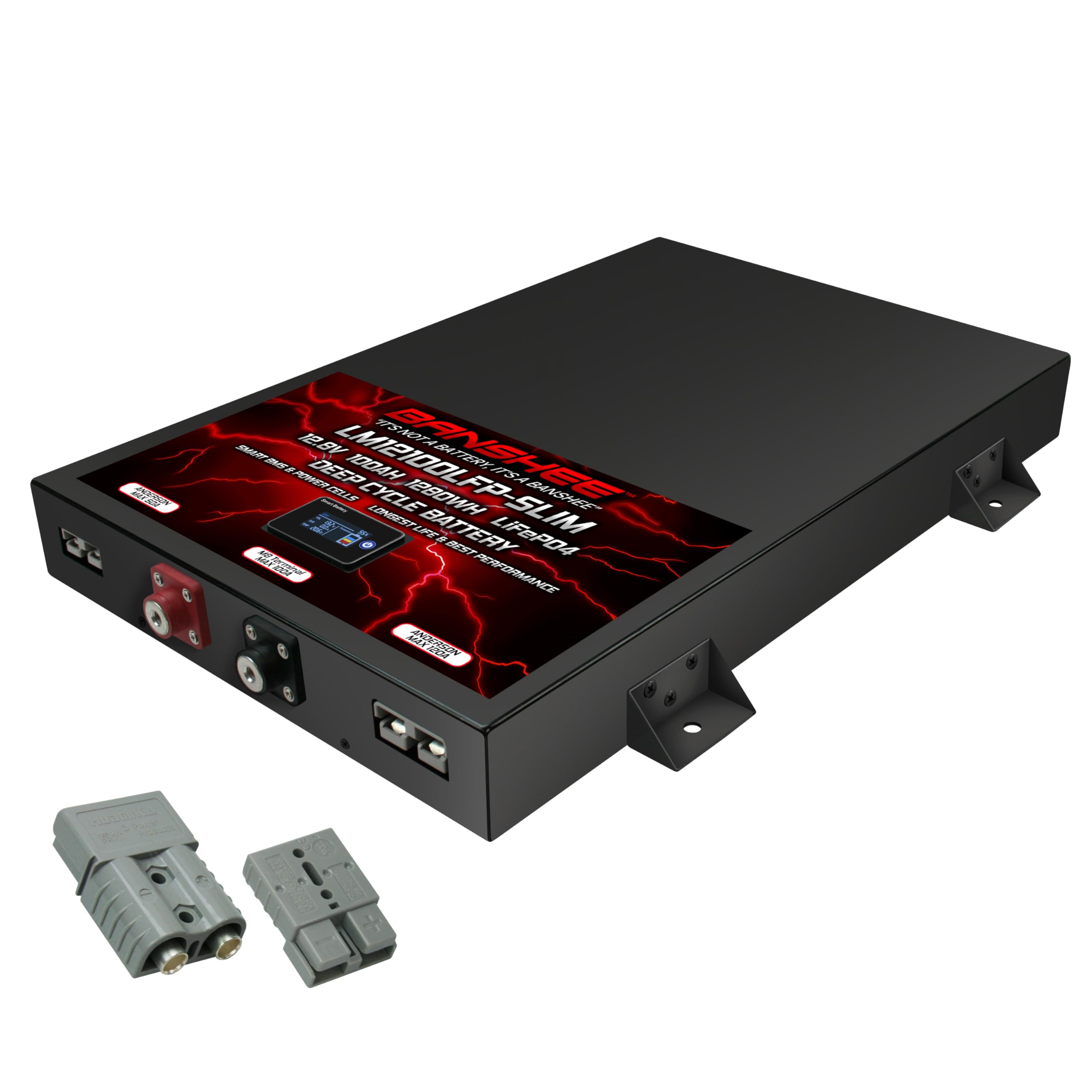
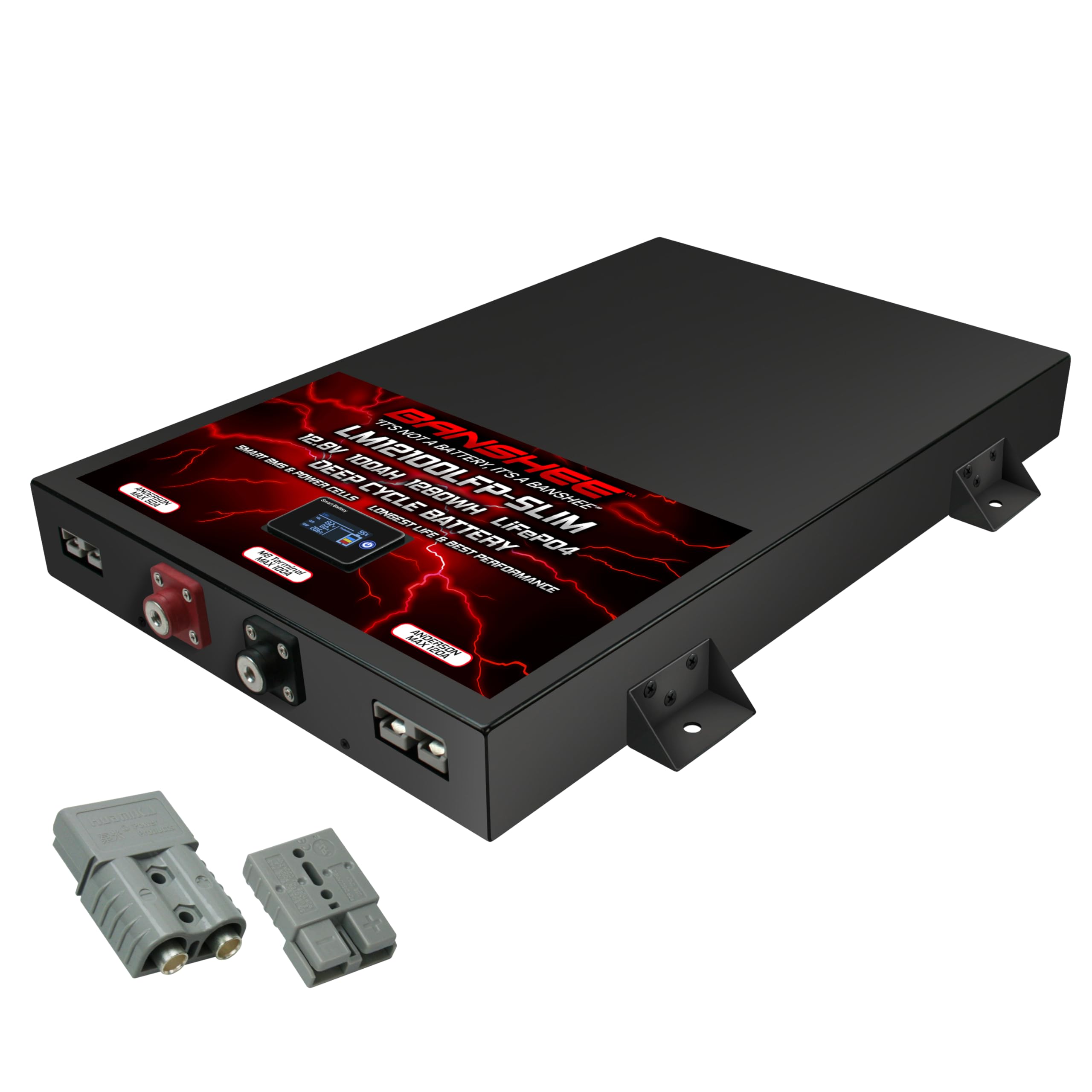
Lithium batteries, specifically Lithium Iron Phosphate (LiFePO4), represent the premium choice. They are significantly lighter than both lead-acid and AGM, offering a much higher energy density. LiFePO4 batteries also boast a remarkably long lifespan – often exceeding 10 years with proper maintenance – and can handle deep discharges without significant degradation. They deliver consistent power and are incredibly efficient.
Lithium is expensive. There is no way around the upfront cost, even if prices are dropping. But in an EV, every pound matters. I'd rather pay more for a LiFePO4 unit that lasts ten years than swap out a heavy lead-acid brick every two summers.
Why is lithium becoming so popular? It’s simple: EVs are already pushing the boundaries of battery technology. Adding another heavy, short-lived lead-acid battery feels counterintuitive. Lithium offers a superior solution that aligns with the overall efficiency and longevity goals of electric vehicle ownership.
- Lead-acid: The cheapest option but weighs the most and dies within three years.
- AGM: Improved performance and lifespan (4-7 years) over lead-acid, spill-proof, but still heavy.
- LiFePO4: Expensive and light. These usually last over a decade and don't lose capacity when you drain them.
Car Audio Battery Comparison for Electric Vehicles
| Battery Type | Cost | Weight | Lifespan | Maintenance |
|---|---|---|---|---|
| Lead-Acid | Generally Lower | Heavier | Shorter | Requires Regular Maintenance |
| AGM (Absorbent Glass Mat) | Moderate | Moderate | Medium | Low Maintenance |
| LiFePO4 (Lithium Iron Phosphate) | Higher Initial Cost | Lighter | Longer | Essentially Maintenance-Free |
| Lead-Acid (Sealed) | Moderate | Heavy | Medium | Reduced Maintenance |
| AGM (Spiraled) | Moderate to Higher | Moderate | Better Cycle Life | Low Maintenance |
| LiFePO4 (with BMS) | Higher | Lightest | Longest, with BMS protection | None |
Qualitative comparison based on the article research brief. Confirm current product details in the official docs before making implementation choices.
Top Car Audio Batteries for EVs (2026)
Finding the best car audio battery for your EV in 2026 depends on your budget and power needs. Here’s a roundup of some of the top contenders, covering a range of price points and performance levels. Keep in mind that availability and specific models may vary.
Northstar NSB AGM 90: This 90Ah AGM battery is a popular choice for its reliability and performance. It offers a good balance between cost and longevity, making it a solid option for a mid-range audio system. It weighs in at around 68 pounds, which is manageable, and delivers consistent power. However, it's not as lightweight as lithium options.
Renogy LiFePO4 100Ah: Renogy has become a well-respected name in the lithium battery space. Their 100Ah LiFePO4 battery is a fantastic choice for serious audio enthusiasts. It's incredibly lightweight (around 27 pounds) and offers exceptional performance and longevity. The price is higher, but the long-term value is significant.
Optima Batteries RedTop 35: A classic choice, the Optima RedTop is a spiral-cell AGM battery known for its starting power and durability. While primarily marketed for starting applications, it can also handle moderate audio demands. It's a good option if you need a battery that can serve dual purposes. It’s also relatively affordable.
Sok Battery 12V 60Ah LiFePO4: Sok offers a compelling combination of price and performance in the LiFePO4 category. Their 60Ah battery is a great entry point into lithium technology, offering a significant weight reduction and lifespan improvement over AGM batteries. It’s a good choice for those wanting to upgrade without breaking the bank.
Xantrex Freedom XC Series 100Ah AGM: Xantrex is a respected brand in power solutions, and their Freedom XC Series AGM battery delivers reliable performance. It’s a robust and well-built battery suitable for demanding audio applications, though it falls into the heavier side compared to lithium options.
Battle Born 100Ah 12V LiFePO4 Deep Cycle Battery: Battle Born is a premium brand known for its high-quality lithium batteries. Their 100Ah model is a top performer, offering exceptional longevity, performance, and a comprehensive warranty. It's an investment, but one that will likely pay off in the long run.
ExpertPower 12V 100Ah LiFePO4 Battery: This battery provides a good balance of price and performance in the LiFePO4 space. It’s a solid contender for those looking to upgrade to lithium without the highest price tag, offering a respectable lifespan and weight reduction compared to AGM alternatives.
Featured Products
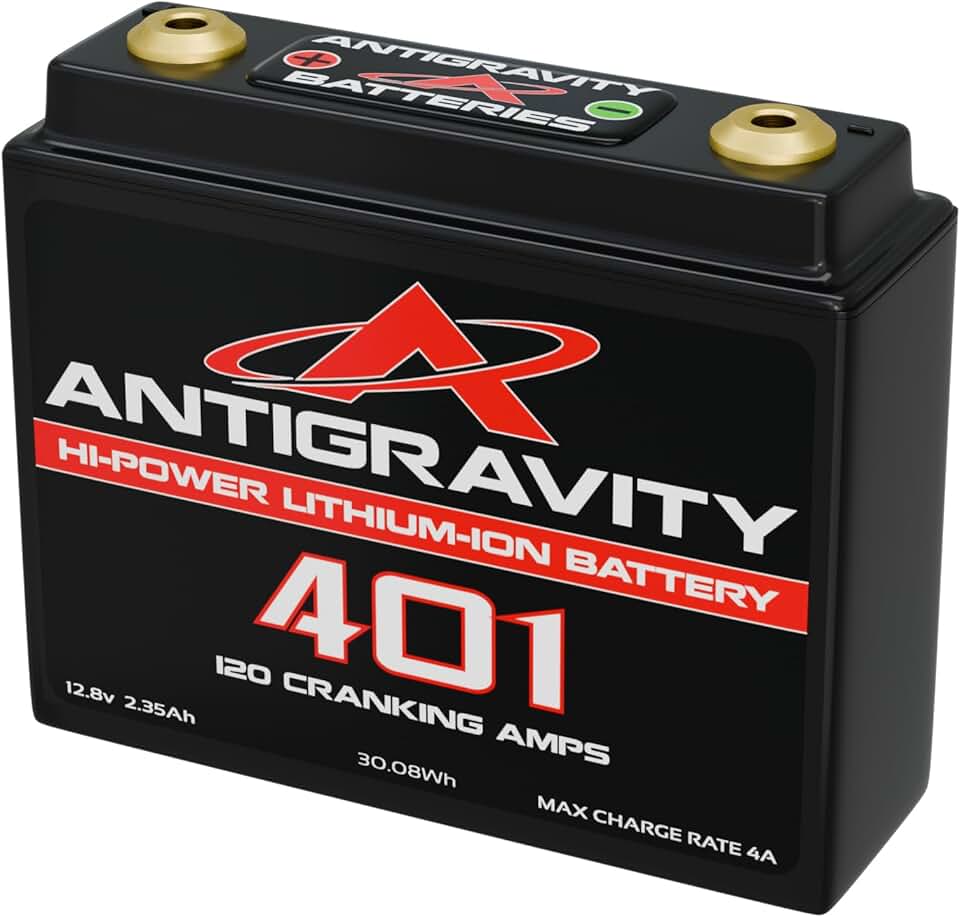
Ultra-lightweight at only 15.2 oz · 120 Cranking Amps for reliable starting · 6Ah Pb-Eq (2.6Ah Actual) capacity
This battery is recommended for its incredibly light weight and compact size, making it ideal for custom builds where space and mass are critical considerations.

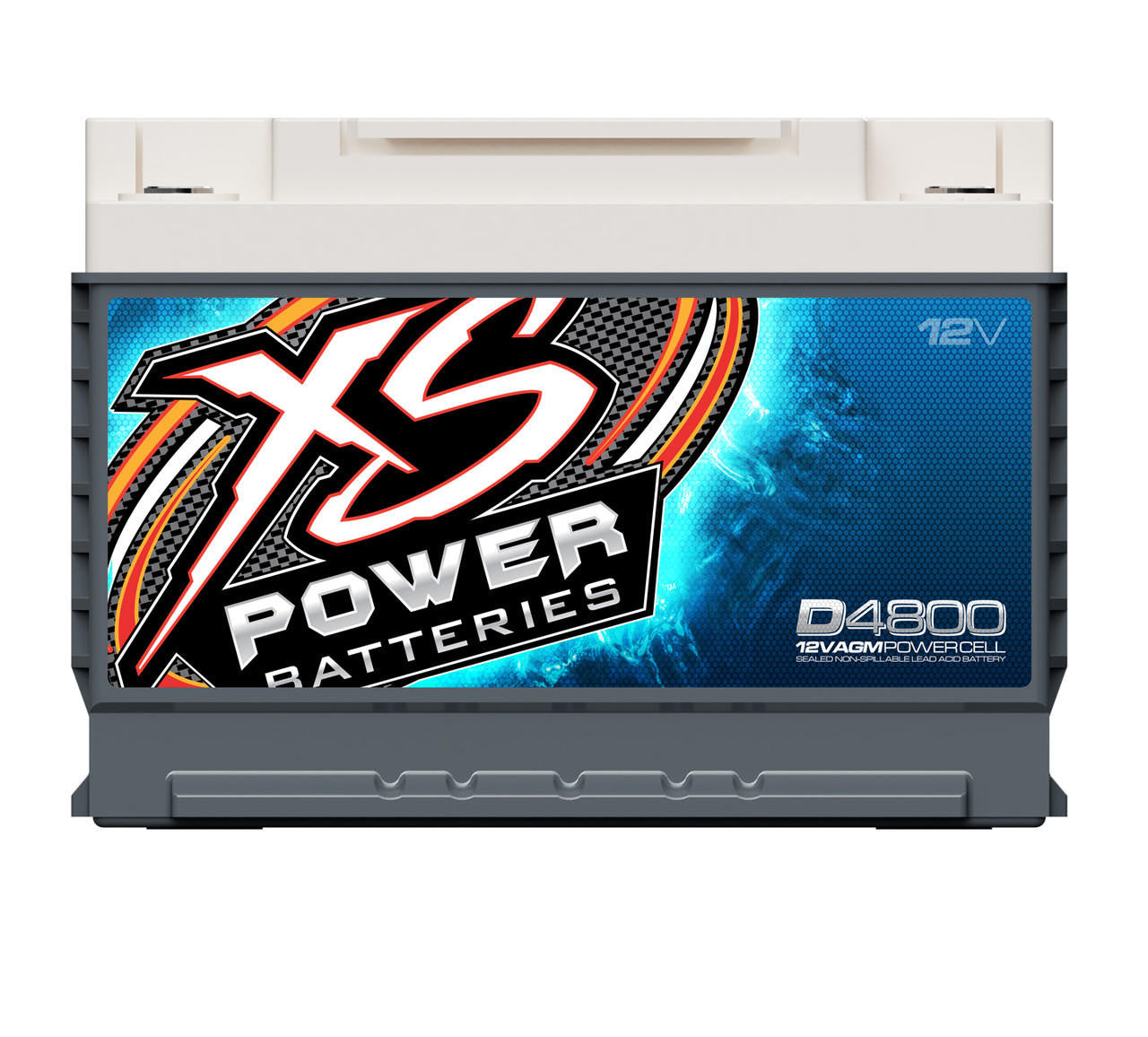
Massive 4,300 Amp output for extreme audio demands · AGM (Absorbent Glass Mat) technology for durability and vibration resistance · M6 terminal bolts for secure connections
The XS Power D2700 is a top-tier choice for audiophiles seeking the highest possible power delivery and stability for their high-demand sound systems.

3,300 Amp output for significant audio power · AGM construction for enhanced performance and safety · M6 terminal bolts for robust connections
This battery offers a substantial power upgrade over stock batteries, providing the necessary amperage to drive powerful amplifiers and speakers without compromise.

100Ah capacity for extended power supply · Lithium chemistry for lightweight and high energy density · Designed as a direct replacement for Shuriken SK-BT100
This lithium battery offers a high capacity and lighter weight alternative for users looking to upgrade their existing Shuriken battery setup for improved audio performance.

Dual-purpose design for starting and deep-cycle applications · 620 CCA (Cold Cranking Amps) for reliable starting power · Sealed AGM construction for maintenance-free operation and spill resistance
The Optima YellowTop is a versatile and reliable choice, offering both starting power and the deep-cycle capability needed to support demanding audio systems while remaining maintenance-free.
As an Amazon Associate I earn from qualifying purchases. Prices may vary.
How to install a secondary battery safely
Installing a secondary battery in an EV requires careful planning and execution. Space is often limited, so you’ll need to find a suitable location that’s well-ventilated and protected from the elements. Consider the trunk, under a seat, or even within the EV's existing battery compartment (if space allows, and with extreme caution).
Wiring is critical. You’ll need to run appropriately sized cables from the auxiliary battery to your amplifier(s) and ensure a solid ground connection. Fusing is essential to protect both the battery and your audio equipment. Use a fuse rated for the maximum current draw of your system.
It’s incredibly important to avoid interfering with the EV’s main battery system. Do not attempt to connect the auxiliary battery directly to the EV’s 12V system. This can cause serious damage and potentially void your vehicle’s warranty. A dedicated charging system for the auxiliary battery is highly recommended.
If you’re not comfortable working with electrical systems, professional installation is highly recommended. A qualified installer can ensure that the battery is properly installed and wired, minimizing the risk of damage or safety hazards. Improper installation can lead to fire, electrical shock, or damage to your EV.
Wiring tips to stop voltage drop
Voltage drop is the reduction in voltage that occurs as electricity travels through a wire. It’s a critical factor in car audio systems, especially in EVs where the electrical system is already complex. Significant voltage drop can result in reduced amplifier power, distorted sound, and even system instability.
To minimize voltage drop, use the correct gauge wiring. The required wire gauge depends on the amplifier’s power output and the distance between the battery and the amplifier. A general rule of thumb is to use thicker wires for higher power and longer runs. Online voltage drop calculators can help you determine the appropriate wire gauge.
Clean power is also essential. Ensure all connections are tight and corrosion-free. Use high-quality terminals and connectors. A dedicated grounding point, close to the amplifier, is crucial for minimizing noise and ensuring optimal performance. Avoid running power and ground wires alongside each other to prevent interference.
Battery Maintenance and Longevity
Proper battery maintenance can significantly extend its lifespan. For lead-acid and AGM batteries, regularly check the electrolyte level (if applicable) and keep the terminals clean and corrosion-free. Avoid deep discharges, as they can shorten the battery's lifespan. For lithium batteries, avoid charging to 100% frequently and avoid prolonged storage at full charge.
Charging practices are important. Use a charger specifically designed for the battery chemistry. Overcharging can damage the battery, while undercharging can reduce its capacity. For lithium batteries, a battery management system (BMS) is essential to prevent overcharging and deep discharging.
Storing the battery correctly when not in use is also crucial. Store it in a cool, dry place and avoid extreme temperatures. For lead-acid and AGM batteries, periodically charge the battery to prevent sulfation. Lithium batteries can be stored for extended periods with minimal self-discharge.
A common myth is that you need to "break in’ a new battery by fully discharging and recharging it multiple times. This is generally not necessary for modern batteries, and can actually be detrimental. Follow the manufacturer"s recommendations for initial charging and maintenance.
- Lead-Acid/AGM: Check electrolyte levels, clean terminals, avoid deep discharges.
- LiFePO4: Avoid 100% charge, use a BMS, store in a cool, dry place.
No comments yet. Be the first to share your thoughts!