

How to get 40% more life from your battery
You can add years to an EV battery by changing how you charge and park. While manufacturers are improving chemistry, most degradation comes down to heat and voltage stress. If you follow a strict maintenance routine, a 40% increase in total cycle life is a realistic target for cars hitting the road in 2026.
Think of your EV battery like any other rechargeable power source; it’s not immune to the effects of time and use. The rate of degradation, however, is heavily influenced by how you treat it. We’re seeing improvements in battery chemistry and management systems all the time, but even the best batteries benefit from proactive care. Results will naturally vary depending on your specific vehicle model, driving conditions, and climate.
It's important to understand that the 40% extension isn't a fixed number. It’s an estimate based on optimizing these key areas. Some drivers might see even greater improvements, while others may fall slightly short. The goal is to minimize the factors that accelerate degradation and maximize those that promote long-term battery health. This isn’t about magic; it’s about making smart choices.
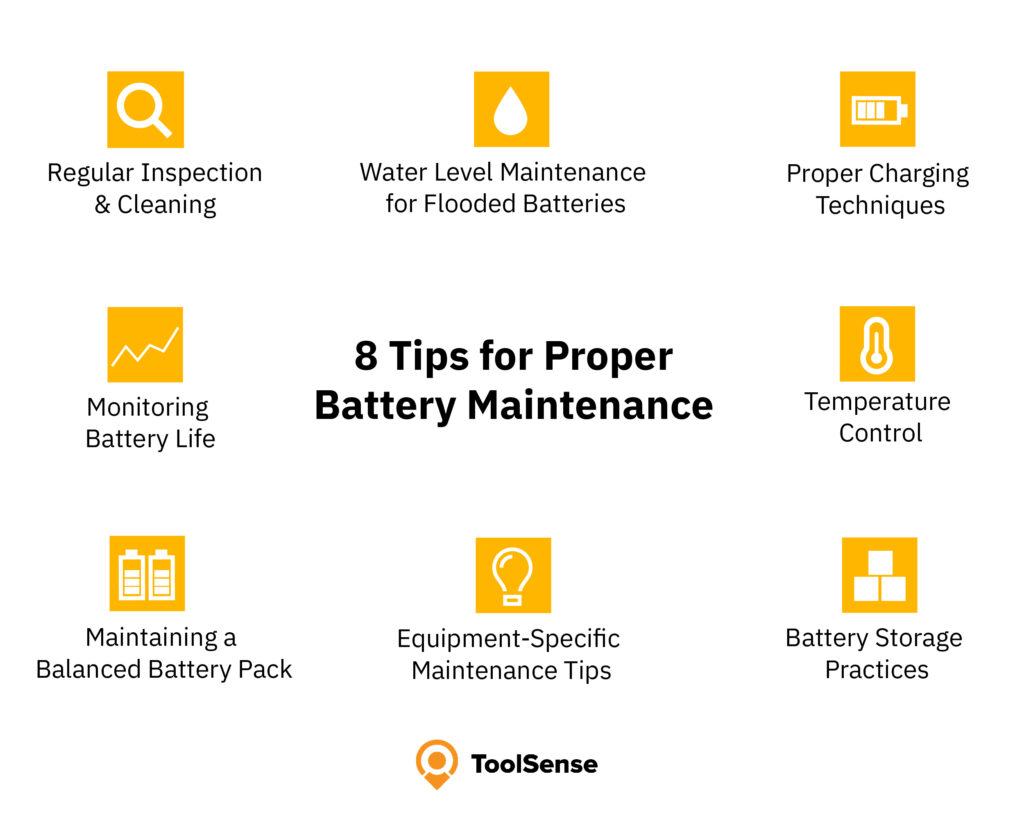
Heat is the silent killer
Temperature is a huge enemy of EV battery health. Both extreme heat and extreme cold can accelerate degradation. High temperatures speed up chemical reactions within the battery, leading to faster capacity loss. Cold temperatures reduce battery performance and can also cause long-term damage if the battery isn't properly managed. Modern EVs have sophisticated thermal management systems, but owners can do a lot to help.
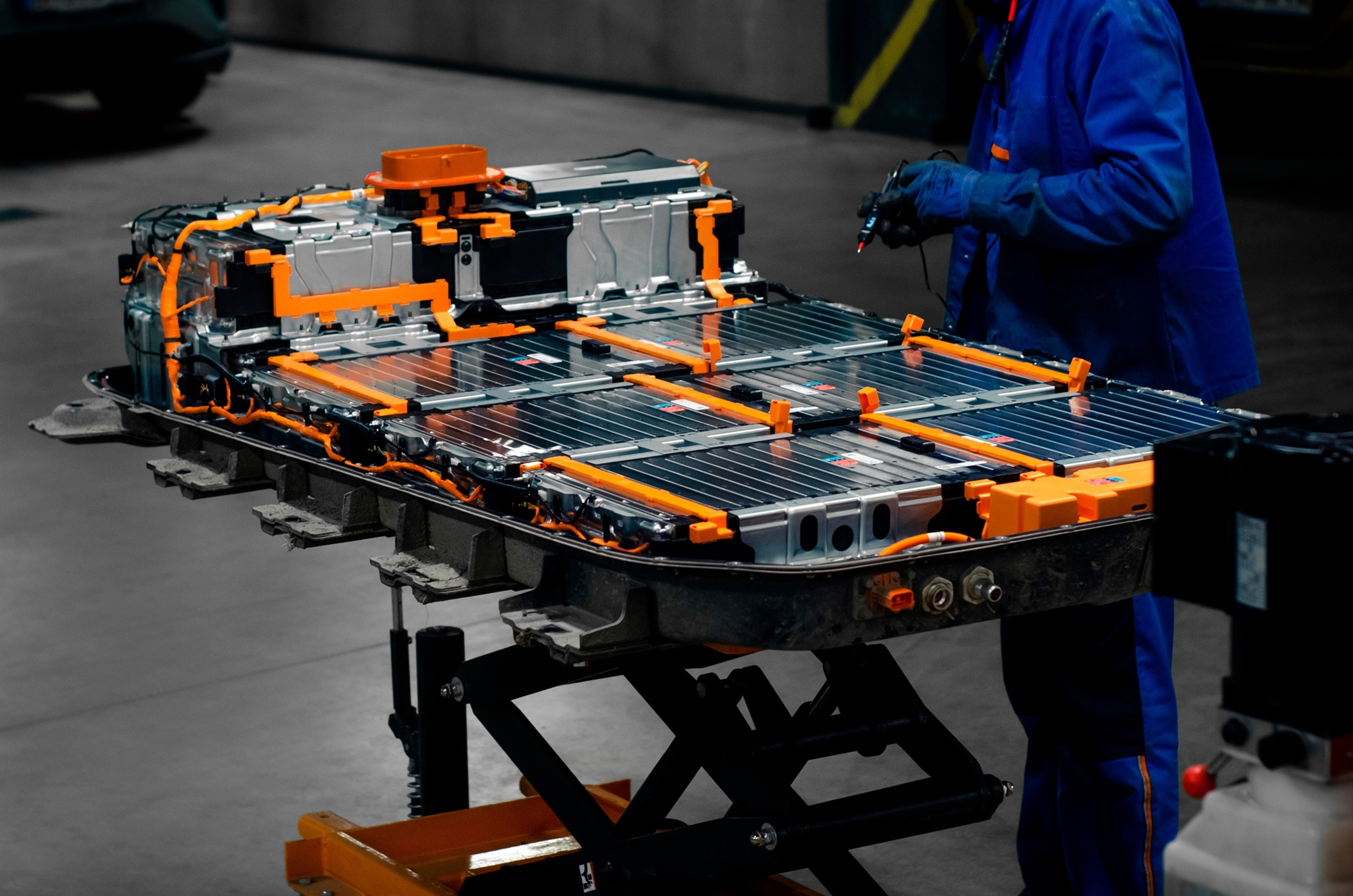
There are generally two types of thermal management systems: active and passive. Passive systems rely on air cooling and insulation to maintain a stable temperature. Active systems use liquid cooling – circulating a coolant fluid through the battery pack – to more precisely control temperature. Newer EVs, like those rolling out in 2026, are increasingly adopting more robust active cooling systems, but even with these improvements, your driving and parking habits matter.
Simple steps like parking in the shade during hot days, or in a garage whenever possible, can make a significant difference. Pre-conditioning the battery before a drive in very cold weather is also crucial. This warms the battery up to its optimal operating temperature, improving performance and reducing stress. Most EVs allow you to schedule pre-conditioning through their infotainment system or companion app. Don't underestimate the power of a little preventative care.
- Park in the shade or a garage when possible.
- Warm the battery using the app before driving in winter to reduce internal resistance.
- Avoid prolonged exposure to extreme temperatures.
Stick to the 80% charging limit
Charging to 100% every night wears out cells faster. I keep my car set to an 80% limit for daily commutes and only top it off for road trips. This keeps the battery out of the high-voltage zone where chemical breakdown happens fastest.
Charging speed also plays a role. Slower charging, using a Level 2 charger (240V), generates less heat than DC fast charging. While DC fast charging is incredibly convenient for road trips, it's best reserved for when you truly need it. Frequent fast charging can contribute to faster battery degradation. Think of it as an occasional boost, not a daily routine.
I’ve personally found that adjusting my charging schedule to primarily use Level 2 charging at home has made a noticeable difference in my EV's estimated range over time. It requires a bit more planning, but the long-term benefits to battery health are worth it. It's a trade-off between convenience and longevity.
Depth of Discharge: Using the Full Range
Depth of Discharge (DoD) refers to the percentage of the battery’s capacity that has been used. While fully discharging a battery used to be detrimental, modern lithium-ion batteries are more tolerant. However, consistently draining the battery to very low levels (close to 0%) isn’t ideal. Periodically letting the battery discharge to a lower state of charge – say, 20% – can actually be beneficial, helping to recalibrate the battery management system.
Regenerative braking plays a significant role in managing DoD. It captures energy during deceleration and returns it to the battery, reducing the overall discharge rate. Utilizing regenerative braking effectively can extend your driving range and minimize stress on the battery. Most EVs allow you to adjust the intensity of regenerative braking to suit your driving style.
Fortunately, modern Battery Management Systems (BMS) are quite sophisticated and generally do a good job of protecting the battery from excessive discharge. However, being mindful of your driving habits and occasionally allowing for a deeper discharge can contribute to overall battery health. The BMS is there to protect, but proactive awareness is still valuable.
Software Updates & Battery Management
Don’t underestimate the power of software updates. Manufacturers are constantly refining their Battery Management Systems (BMS) through over-the-air updates. These updates can improve charging algorithms, optimize thermal control, and enhance cell balancing – all of which contribute to longer battery life. Keeping your vehicle’s software up to date is one of the easiest and most effective things you can do to maintain battery health.
Cell balancing is particularly important. It ensures that all the individual cells within the battery pack are charged and discharged evenly. Imbalances can lead to reduced capacity and premature degradation. Software updates often include improvements to cell balancing algorithms, addressing this issue proactively. Some updates are even specifically targeted at improving battery health and performance.
Tesla frequently pushes updates that tweak how the car handles cold weather or high-speed charging. I install these as soon as they pop up. It is the easiest way to get better efficiency without turning a wrench.
Long-Term Storage: When Parked for Weeks
If you plan to park your EV for an extended period – several weeks or months – there are specific considerations to keep in mind. The ideal state of charge for long-term storage is around 50-60%. This minimizes stress on the battery cells. Avoid storing the vehicle with a fully charged or completely discharged battery.
It’s also crucial to disconnect the 12V battery to prevent parasitic drain. The 12V battery powers the vehicle’s accessories and systems even when the main battery is not in use. Disconnecting it prevents it from being drained and potentially causing issues when you’re ready to drive again. Some EVs may require a specific "wake-up" procedure after prolonged storage to reactivate the battery management system.
Check your vehicle’s owner’s manual for specific instructions on long-term storage. Different manufacturers may have slightly different recommendations. Following these guidelines will help ensure that your battery remains in good condition during periods of inactivity.
Signs your battery is failing
Actively monitoring your battery’s health is essential for identifying potential issues early on. Key metrics to track include State of Health (SoH), remaining capacity, and charging speed. SoH is a percentage that indicates the battery’s current capacity relative to its original capacity. A declining SoH is a sign of degradation.
Most EVs display this data through their infotainment system or a companion app. You can also use third-party apps, like those from Recurrent or OpenEVSE, to gain more detailed insights into your battery’s performance. These apps can provide historical data and help you track changes over time. Pay attention to any significant drops in range or increases in charging time.
Warning signs of battery degradation include a noticeable reduction in driving range, longer charging times, and an inability to reach the original charging capacity. If you observe any of these signs, it’s worth having your battery inspected by a qualified technician. Early detection can sometimes mitigate further damage.
No comments yet. Be the first to share your thoughts!