

Lithium Audio: A Sound Upgrade
For years, lead-acid batteries were the default choice for powering car audio systems. They were affordable, readily available, and… that was about it. But the demands on car audio have changed dramatically. We’re not just talking about a simple radio anymore; people are building systems with multiple amplifiers, subwoofers, and complex signal processing. These systems need serious power, and that’s where lithium batteries come in.
The shift to lithium isn’t just about having enough juice to avoid dimming headlights when the bass drops. Lithium batteries offer significant advantages over their lead-acid counterparts. They’re substantially lighter, delivering more power consistently, and have a much longer lifespan. While the initial cost is higher, a quality lithium battery can often outlast several lead-acid replacements, making it potentially more economical in the long run. It’s a trade-off many enthusiasts are willing to make.
Think about it this way: lead-acid batteries struggle to maintain voltage under heavy load. This means your amplifier isn't getting the consistent power it needs to perform optimally, especially during those peak moments in your music. Lithium batteries, on the other hand, maintain a stable voltage even when pushed hard. This translates to cleaner, more powerful sound, and a more enjoyable listening experience. They also discharge more fully, meaning you're actually using more of the battery's capacity.
The increasing complexity of modern car audio systems – digital signal processors (DSPs), class-D amplifiers, and high-efficiency speakers – all benefit from the stable and consistent power delivery that lithium batteries provide. It’s not simply about louder sound; it’s about better sound, and the ability to truly maximize the potential of your investment.
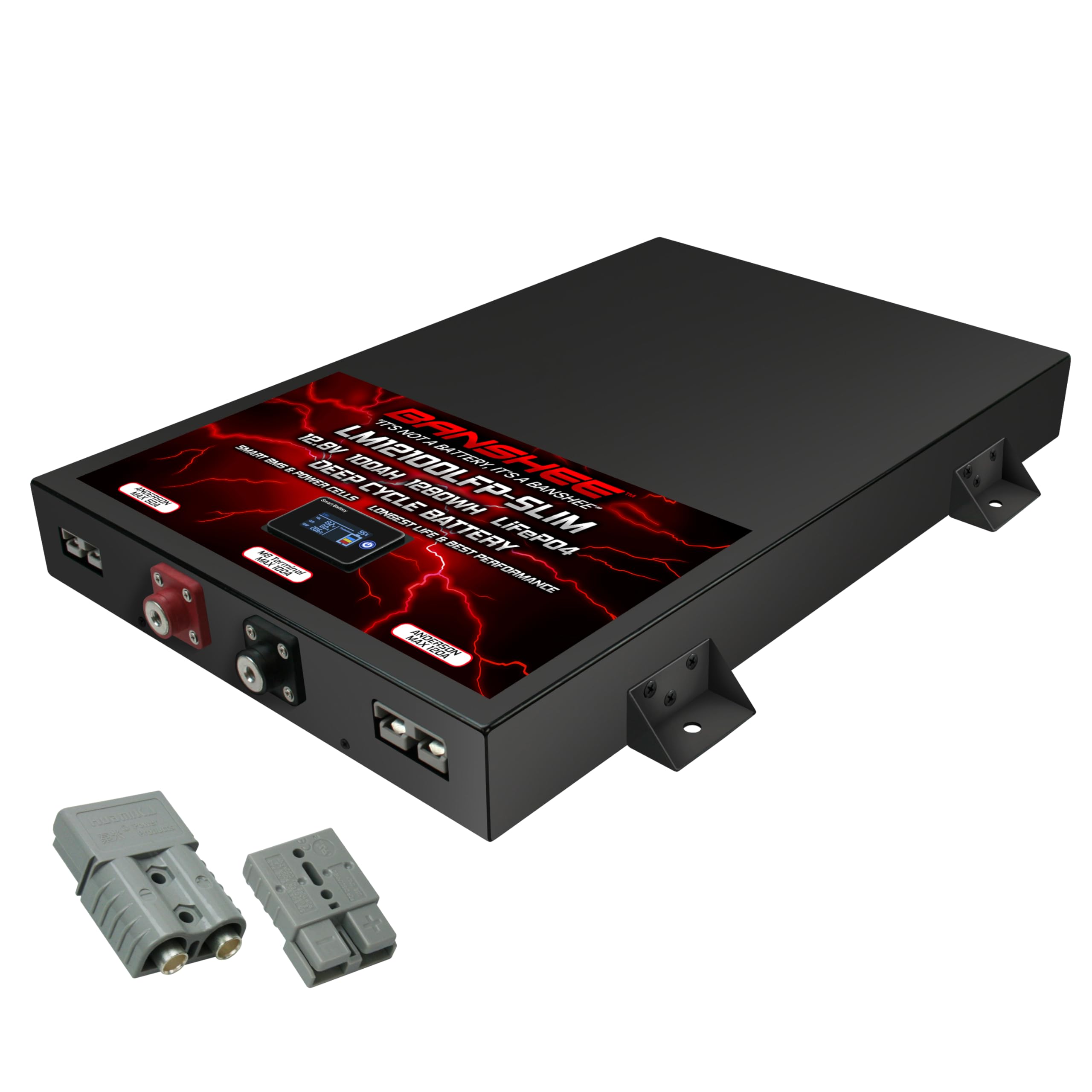
Lithium Chemistries Explained
Not all lithium batteries are created equal. Different lithium chemistries offer varying levels of performance, safety, and cost. The two most common chemistries you'll encounter in car audio are Lithium Iron Phosphate (LiFePO4) and Nickel Manganese Cobalt (NMC). Understanding the differences is crucial for making the right choice for your needs.
LiFePO4 batteries are generally considered the safest lithium chemistry available. They’re incredibly stable, have a long cycle life (meaning they can be charged and discharged many times without significant degradation), and are relatively tolerant to abuse. However, they have a lower energy density than NMC, meaning they deliver less power for a given weight and size. For many car audio applications, especially where safety and longevity are paramount, LiFePO4 is an excellent choice.
NMC batteries, on the other hand, pack more punch. They have a higher energy density, making them lighter and more compact for the same amount of power. This is attractive for those looking to minimize weight and maximize power output. However, NMC batteries are more prone to thermal runaway – a potentially dangerous situation where the battery overheats and can even catch fire. They also typically have a shorter cycle life than LiFePO4.
There are also other, less common lithium chemistries like Lithium Polymer (LiPo) and Lithium Manganese Oxide (LMO). LiPo batteries are known for their flexibility in shape and size, but they require extremely careful handling and are generally not recommended for car audio due to their inherent instability. LMO batteries offer a balance between performance and safety, but they’re less common in high-power applications. Frankly, for most car audio enthusiasts, the choice boils down to LiFePO4 or NMC.
I’ve seen some users experiment with Lithium Titanate (LTO), which offers exceptional cycle life and safety, but they’re incredibly expensive and don’t offer a significant performance advantage for most car audio setups. They’re really niche, and you’d likely only consider them for a very specialized, high-end build.
- LiFePO4: Safest, longest cycle life, lower energy density.
- NMC: Higher energy density, more power for the weight, less safe, shorter cycle life.
- LiPo: Flexible, requires careful handling, generally not recommended for car audio.
- LMO: Balance of performance and safety, less common in high-power applications.
- LTO: Exceptional cycle life and safety, expensive, niche applications.
Lithium Battery Chemistries for Car Audio Applications (2026)
| Chemistry | Energy Density (Wh/kg) | Cycle Life (cycles) | Safety | Car Audio Suitability |
|---|---|---|---|---|
| LiFePO4 (Lithium Iron Phosphate) | 90-160 | 2000-8000+ | High | High |
| NMC (Lithium Nickel Manganese Cobalt Oxide) | 150-250 | 1000-3000 | Moderate | High |
| NCA (Lithium Nickel Cobalt Aluminum Oxide) | 200-300 | 500-1500 | Moderate | Medium |
| LTO (Lithium Titanate Oxide) | 30-80 | 3000-7000+ | Very High | Medium |
Illustrative comparison based on the article research brief. Verify current pricing, limits, and product details in the official docs before relying on it.
Top Lithium Car Audio Batteries: 2026
The lithium car audio battery market is constantly evolving, but several brands consistently deliver high-quality products. Here's a look at some of the best options available in 2026, covering a range of budgets and performance needs. I've focused on batteries that have received positive feedback from users and have demonstrated reliable performance in real-world applications.
Antigravity Batteries RE-START HD: This is a popular choice for its compact size and impressive cranking power. It’s a LiFePO4 battery designed as a direct replacement for traditional lead-acid batteries, making installation straightforward. Specs: 12.8V, 20Ah, 200A continuous discharge. Pros: Easy installation, lightweight, reliable. Cons: Relatively expensive, limited capacity for very high-end systems.
Northstar NSB AGM (Lithium Conversion): Northstar is known for its high-quality AGM batteries, and their conversion kits to Lithium are well-regarded. While not a pure lithium battery from the start, this offers a more affordable entry point. Specs: 12V, 33Ah, 150A continuous discharge (after conversion). Pros: Lower initial cost, reputable brand, good performance. Cons: Requires conversion, slightly heavier than pure lithium.
Battle Born Batteries 100Ah LiFePO4: Battle Born is a well-known name in the RV and off-grid power market, and their batteries are equally well-suited for car audio. They’re incredibly durable and offer exceptional cycle life. Specs: 12.8V, 100Ah, 100A continuous discharge. Pros: Exceptional durability, long cycle life, excellent customer support. Cons: Larger size, higher price point.
ExpertPower 12V 100Ah LiFePO4: A more budget-friendly option offering a good balance of performance and price. It’s a solid choice for powering moderate to high-end car audio systems. Specs: 12.8V, 100Ah, 100A continuous discharge. Pros: Affordable, good performance, lightweight. Cons: May not be as durable as higher-end options.
Sok Battery 12V 60Ah LiFePO4: Sok is gaining a reputation for reliable LiFePO4 batteries at competitive prices. This 60Ah model is a good option for systems that don't require massive power. Specs: 12.8V, 60Ah, 80A continuous discharge. Pros: Good value, lightweight, decent performance. Cons: Lower discharge rate than some competitors.
Lion Energy Ultimate Lithium UT1300: This battery is designed for demanding applications and offers impressive power and durability. It's a premium option for serious car audio enthusiasts. Specs: 12.8V, 100Ah, 200A continuous discharge. Pros: High discharge rate, durable construction, excellent performance. Cons: Very expensive, larger size.
Featured Products

Ultra-lightweight design for performance vehicles · High cranking power for reliable starts · Compact size for easy installation
The Antigravity AG-801 offers a significant weight reduction and strong starting power, ideal for enthusiasts seeking to optimize performance.

High output AGM technology for demanding audio systems · 3,300 amp rating for exceptional power delivery · Durable construction for long-lasting performance
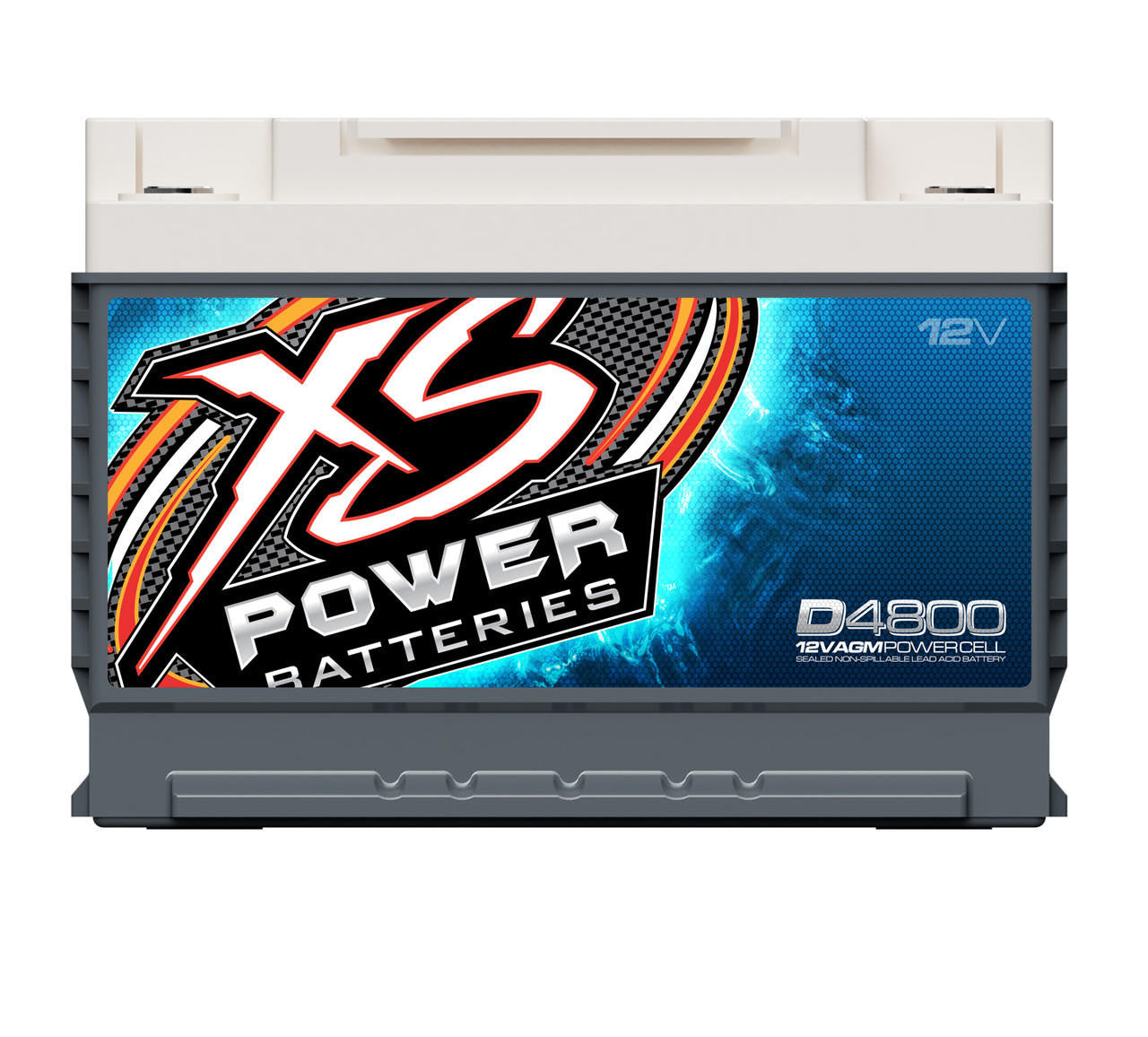
The XS Power D3400 is a powerhouse AGM battery designed to handle the extreme demands of high-performance car audio systems.

100Ah capacity for sustained power delivery · Lithium technology for lighter weight and longer lifespan · Direct replacement for Shuriken SK-BT100
This Mighty Max Lithium battery provides a high capacity and the benefits of lithium technology as a direct upgrade for specific applications.
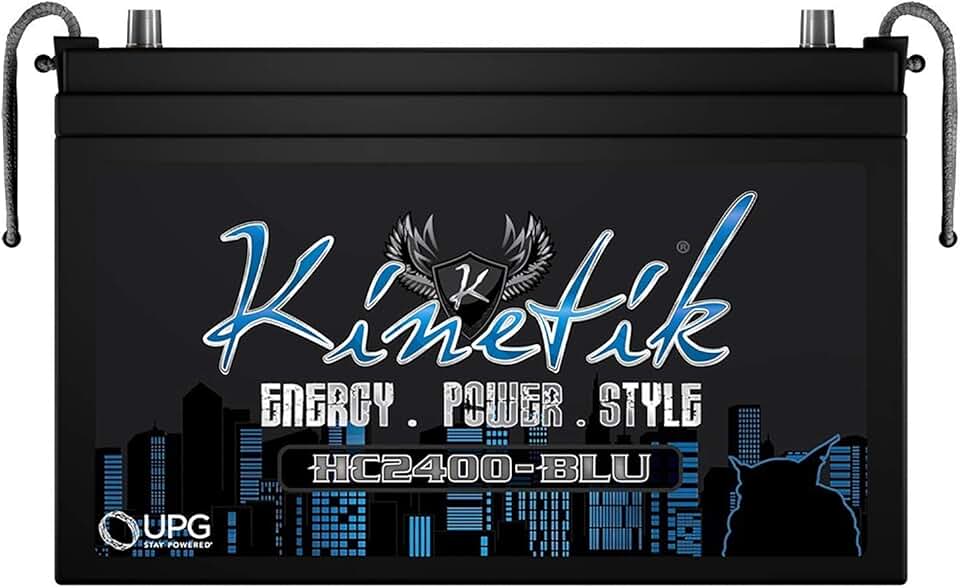
2400 Watt power cell for extreme audio demands · Designed for starting and racing applications · Robust power delivery for high-draw systems
The Kinetik HC2400-BLU is engineered to provide substantial power for high-wattage car audio systems and demanding starting needs.
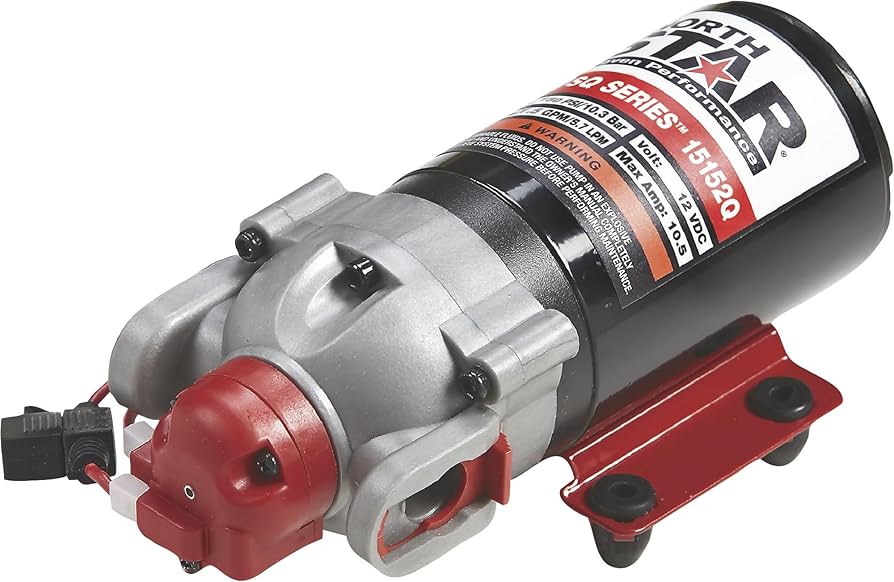
High-performance lithium chemistry · Exceptional cycle life and energy density · Designed for reliable, long-term power
While the specific NorthStar model was not found, high-performance lithium batteries like those from reputable brands offer superior power, longevity, and efficiency for car audio.
As an Amazon Associate I earn from qualifying purchases. Prices may vary.
Decoding Battery Specifications
Understanding battery specifications is essential for choosing the right battery for your car audio system. It’s easy to get lost in the numbers, but a few key specs will tell you everything you need to know. Let's break them down without getting overly technical.
Voltage (V) is the electrical potential difference, essentially the 'push' that drives the current. Most car audio systems operate on 12V, so you'll typically be looking for a 12.8V lithium battery (the extra 0.8V accounts for charging voltage).
Amp-Hours (Ah) indicates the battery's capacity – how much current it can deliver over a specific period. A higher Ah rating means the battery can power your system for longer. Think of it like the size of your gas tank. A 100Ah battery, theoretically, could deliver 1 amp for 100 hours.
Continuous Discharge Rate (C-rating) is a crucial spec for car audio. It tells you how quickly you can safely drain the battery. A 1C rating means the battery can be fully discharged in one hour. A 2C rating means it can be discharged in 30 minutes, and so on. Higher C-ratings are essential for systems with high power demands. If your system draws a lot of current, you need a battery with a high C-rating to avoid damaging it.
Internal Resistance is a measure of the battery's opposition to the flow of current. Lower internal resistance is better, as it means less energy is lost as heat and more power is delivered to your system. It’s not always prominently advertised, but it’s a good indicator of battery quality.
BMS (Battery Management System) is the brain of the lithium battery. It protects the battery from overcharging, over-discharging, overcurrent, and temperature extremes. A good BMS is essential for safety and longevity.
Installation & Safety Considerations
Installing a lithium car audio battery is similar to installing a lead-acid battery, but there are some crucial differences to keep in mind. Safety should be your top priority. Lithium batteries can be dangerous if mishandled.
First, ensure your wiring is adequate for the increased current demands of a lithium battery. Use appropriately sized power cables and fuses. A larger fuse than recommended by the battery manufacturer is never a good idea. Second, mount the battery securely in a well-ventilated location. Avoid exposing it to extreme temperatures or direct sunlight.
Integrating the BMS is critical. The BMS needs to be connected to the battery terminals correctly and securely. Some BMS units require a remote temperature sensor to be placed near the battery for optimal protection. Consult the BMS manual for specific instructions. It's also essential to ensure proper grounding – a poor ground can cause all sorts of issues.
I’m not an electrician, and I strongly recommend consulting a qualified professional if you’re not comfortable with any aspect of the installation. Incorrect wiring or improper installation can lead to fire, damage to your system, or even personal injury. Don’t take shortcuts when it comes to safety.
Always disconnect the negative terminal first when removing the old battery and connect it last when installing the new one. This minimizes the risk of short circuits. And remember to dispose of your old lead-acid battery responsibly at a designated recycling center.
Maximizing Lithium Battery Life
Lithium batteries are an investment, and you’ll want to protect that investment by maximizing their lifespan. Proper charging practices are key. Avoid fully charging the battery to 100% all the time, as this can accelerate degradation. Many users recommend keeping the state of charge between 50% and 80% for optimal longevity.
Avoid deep discharges as well. While lithium batteries can handle deeper discharges than lead-acid batteries, consistently draining them to 0% will shorten their lifespan. Try to avoid letting the battery fall below 20%.
Temperature management is also important. Extreme heat and cold can negatively impact battery performance and lifespan. Avoid exposing the battery to temperatures outside of its specified operating range. Storing the battery in a cool, dry place when not in use is also recommended.
I’ve read on several DIY solar forums (like diysolarforum.com) that users have had success with "float charging" during long periods of inactivity – maintaining a constant, low-level charge to prevent self-discharge. However, check your battery's documentation to see if this is recommended, as it's not suitable for all lithium chemistries.
Finally, use a high-quality charger specifically designed for lithium batteries. Using the wrong charger can damage the battery and void your warranty.
- Charging: Avoid 100% charge, aim for 50-80%.
- Discharging: Avoid deep discharges, stay above 20%.
- Temperature: Avoid extreme heat and cold.
- Storage: Store in a cool, dry place.
- Charger: Use a lithium-specific charger.
Future Trends in Car Audio Power
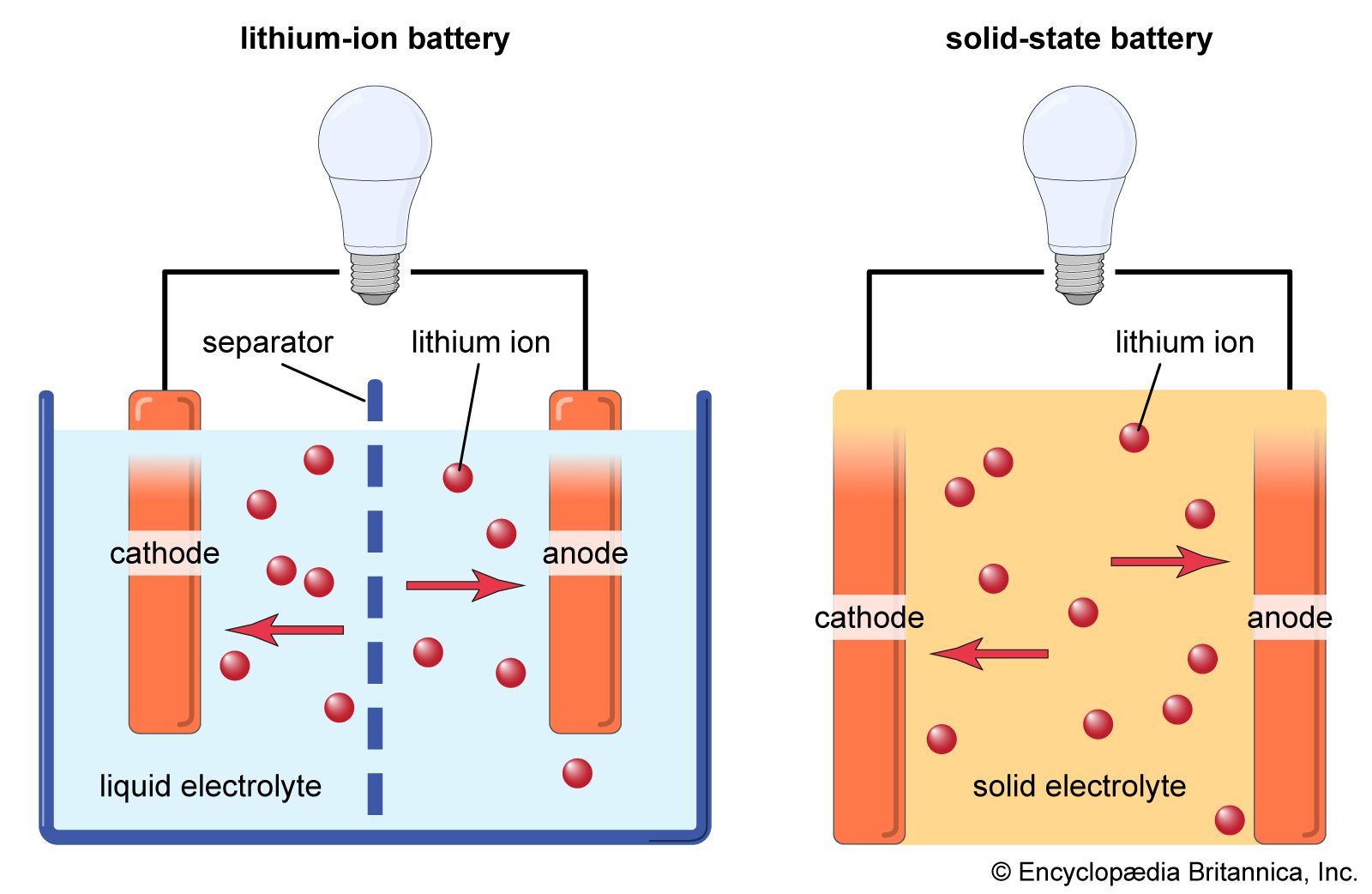
The car audio battery landscape is poised for further innovation in the coming years. Solid-state batteries are generating a lot of buzz. These batteries promise higher energy density, improved safety, and faster charging times compared to current lithium-ion technology. However, they’re still in the early stages of development and are currently quite expensive.
Improvements in BMS technology are also on the horizon. More sophisticated BMS systems will offer even greater protection and optimization for lithium batteries, extending their lifespan and improving their performance. We might see BMS units with more advanced features, such as real-time data logging and remote monitoring.
I think we’ll also see a greater emphasis on integrated power solutions. Manufacturers might start offering car audio systems with built-in lithium battery packs and optimized power management, simplifying the installation process and improving overall efficiency. It's a natural progression.
While it’s difficult to predict the future with certainty, it’s clear that lithium batteries will continue to dominate the car audio power landscape for the foreseeable future. The benefits they offer – weight savings, power delivery, and lifespan – are simply too compelling to ignore.
No comments yet. Be the first to share your thoughts!