

The new demand for EV sound
Electric vehicles change how we hear car audio. Without an engine's rumble, every flaw in a sound system stands out. That hum you ignored in a gas car is suddenly glaring. I've seen enthusiasts spend over $20,000 on builds just to fill that new silence.
However, EVs also present unique opportunities. The lack of engine vibration means less interference for sensitive audio components, potentially improving sound clarity. But this also means the audio system is more 'exposed,' demanding a stable and powerful electrical source. The quiet cabin allows for more refined sound reproduction, rewarding careful system design.
Traditionally, car audio systems were designed to overcome road and engine noise. Now, the focus shifts to creating an immersive and detailed listening experience. This requires not just better speakers and amplifiers, but also a robust power supply – one that can deliver clean, consistent electricity without being bogged down by the demands of the rest of the vehicle’s systems.
How battery chemistry affects your sound
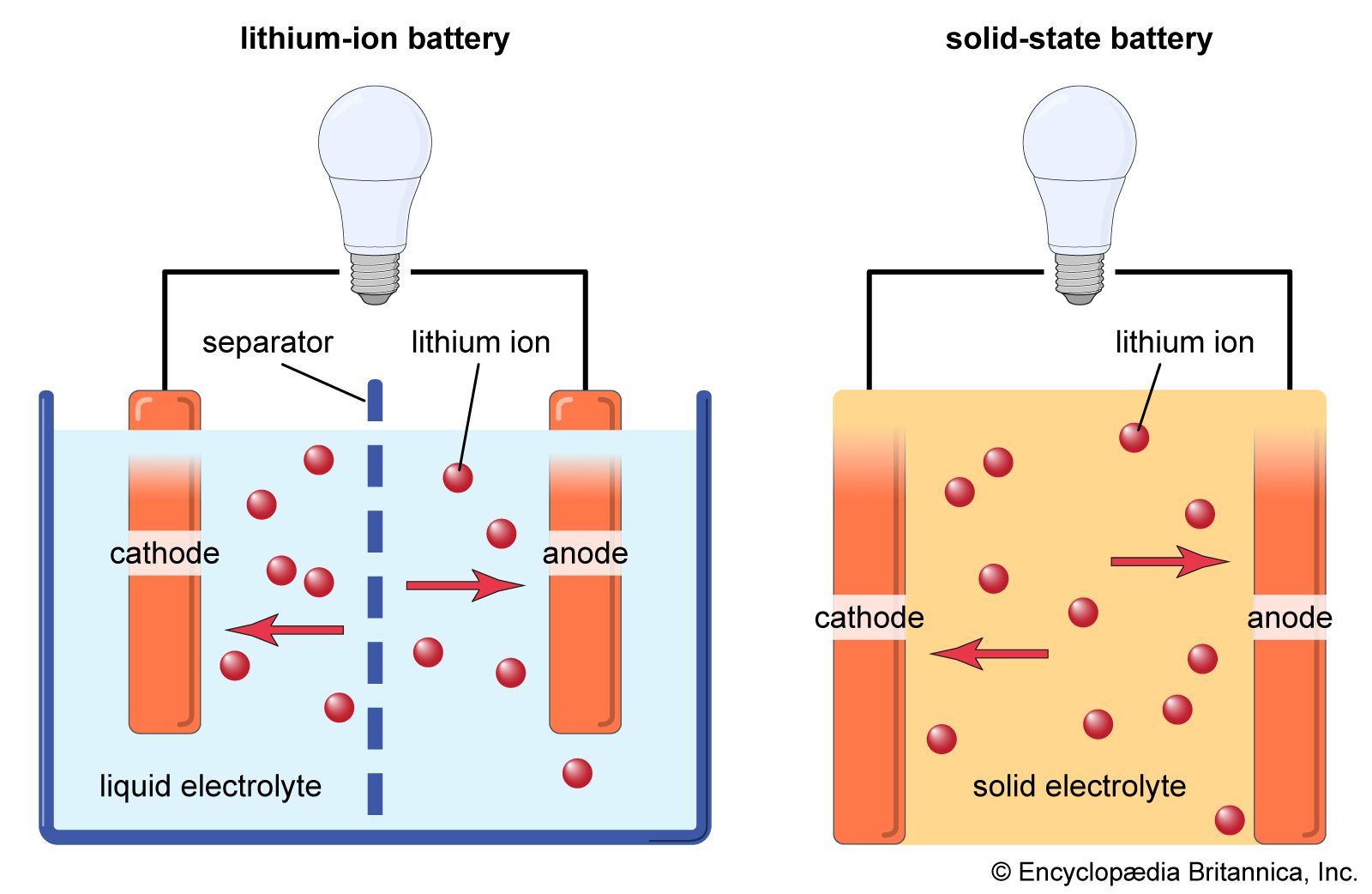
The battery is the heart of any EV, and that includes powering your audio system. Different battery chemistries have different characteristics that impact audio performance. Lithium-ion (Li-ion) batteries are common, offering good energy density and relatively stable voltage. However, their performance can degrade over time and with temperature fluctuations.
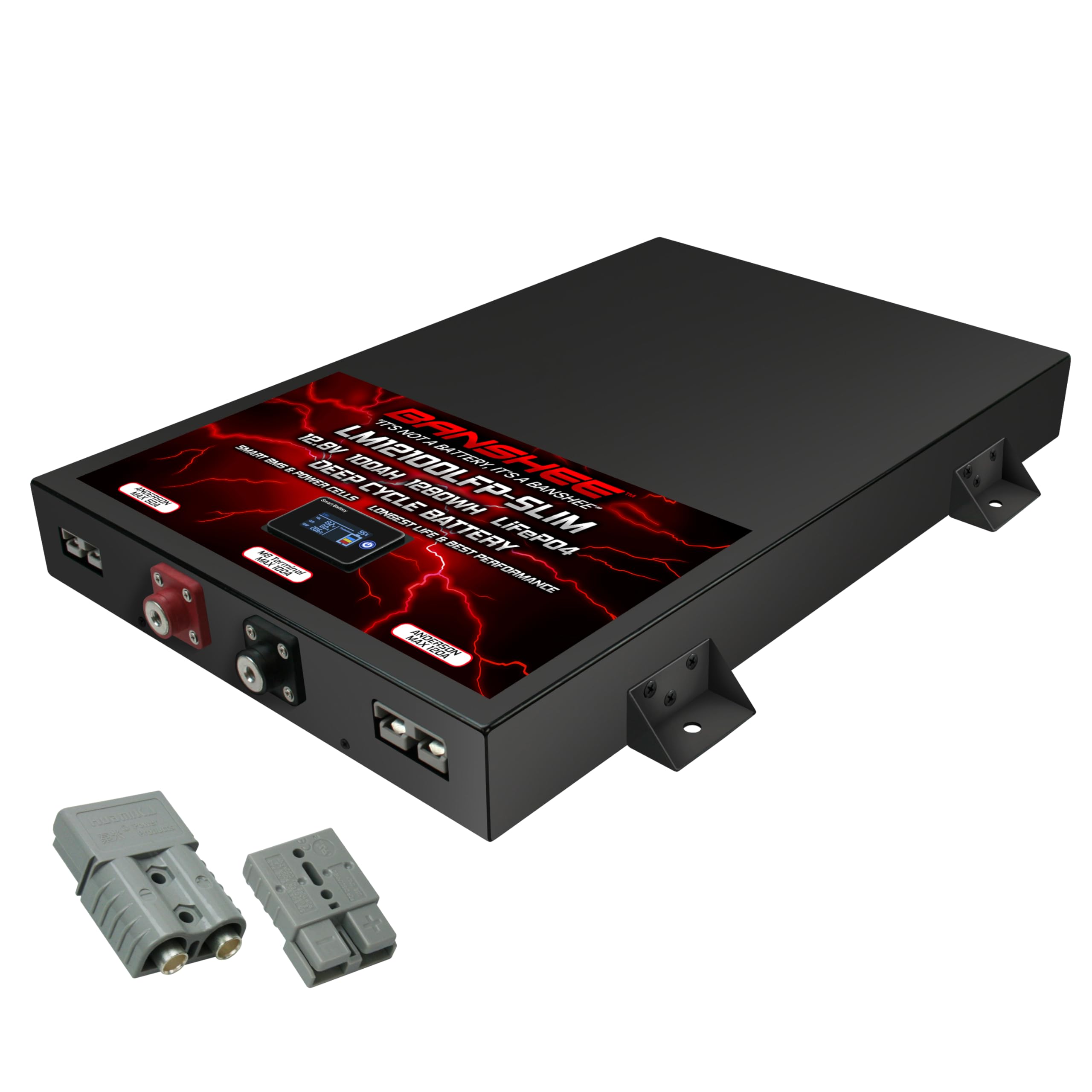
Lithium Iron Phosphate (LiFePO4) batteries are the better choice for heavy audio. They stay cool and keep voltage steady even when the bass hits hard. If your voltage dips, your music distorts and your amps work harder than they should.
Current delivery – measured in amps – is equally important. Audio amplifiers, especially powerful ones, draw significant current during peaks. The battery needs to be able to supply this current without a significant voltage drop. Battery age also plays a role; as a battery ages, its internal resistance increases, reducing its ability to deliver peak current. Temperature is a factor too; colder temperatures reduce battery capacity and current delivery.
- Li-ion batteries have high energy density but the voltage fluctuates as they drain.
- LiFePO4 options stay stable under heat and provide the most consistent power for amps.
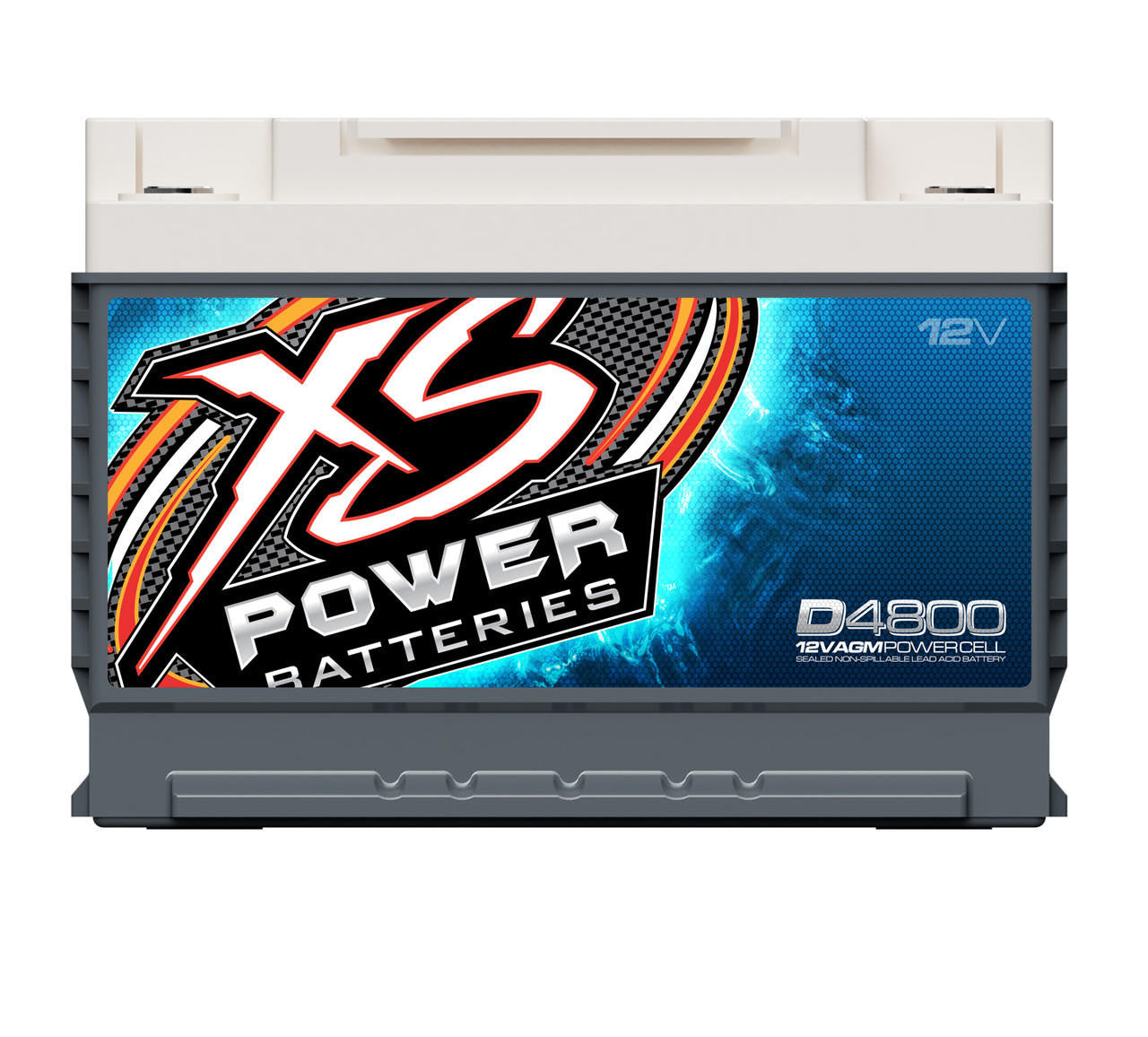
- AGM lead-acid is the budget choice, though these are heavy and won't last as many years.
EV Battery Chemistry Comparison for Car Audio Systems (2026 Outlook)
| Chemistry | Relative Cost | Lifespan (Cycles) | Power Output for Audio | Temperature Sensitivity |
|---|---|---|---|---|
| Lithium-ion (Li-ion) | Moderate | Good | High | Moderate |
| Lithium Iron Phosphate (LiFePO4) | Higher | Excellent | Medium | Low |
| Nickel Manganese Cobalt (NMC) | Moderate to High | Good | High | High |
| Lead Acid (Traditional EV - diminishing use) | Low | Limited | Low | Moderate |
| AGM (Absorbent Glass Mat - Lead Acid variant) | Low to Moderate | Moderate | Medium | Moderate |
| GEL (Gel Lead Acid variant) | Moderate | Moderate | Medium | Low |
Illustrative comparison based on the article research brief. Verify current pricing, limits, and product details in the official docs before relying on it.
Top batteries for 2026 builds
Choosing the right battery for your EV audio system in 2026 requires careful consideration. Here are some standout options, keeping in mind that the market is constantly evolving. These selections prioritize power delivery, stability, and suitability for the demands of a high-end audio setup.
Northstar NSB90AGM: A popular choice for its reliability and high cranking amps (900 CCA). It's an AGM battery, meaning it's sealed and maintenance-free. While not the lightest option, it provides a solid power foundation for a moderately powerful audio system. Expect to pay around $250-$300. Its robust construction makes it a good fit for daily driving and moderate sound pressure levels.
Xantrex XPower 100Ah LiFePO4: This lithium battery delivers exceptional performance and a long lifespan. With 100Ah of capacity and a high discharge rate, it can easily handle the demands of a high-end audio system. It's significantly lighter than AGM alternatives, which is beneficial in an EV. Expect to spend $800-$1000. It's ideal for serious audio enthusiasts and competition-level setups.
Renogy 12V 100Ah LiFePO4: Renogy is a well-known brand in the solar and battery space. Their 12V 100Ah LiFePO4 battery offers a good balance of performance, price, and reliability. It’s slightly less expensive than the Xantrex option, making it a compelling choice for those on a tighter budget. Around $700-$850. It’s a solid all-around performer suitable for a wide range of audio systems.
Optima Batteries YellowTop (Group 34M): Optima’s YellowTop is a spiral-cell AGM battery known for its deep-cycle capabilities and vibration resistance. It’s a good option if you plan on running your audio system for extended periods without the engine running. Approximately $300-$350. It's a versatile choice for daily drivers and occasional audio enthusiasts.
Fullriver HC100-AGM: Fullriver batteries are known for their quality and durability. The HC100-AGM offers 100Ah of capacity and a high CCA rating, making it suitable for both starting and deep-cycle applications. Around $350-$400. This is a reliable option for those who want a long-lasting battery.
Battle Born 100Ah 12V LiFePO4 Battery: Battle Born is a respected name in the LiFePO4 market. Their 100Ah battery is known for its consistent performance and robust build quality. Expect to pay around $900-$1100. It’s a premium option for those who demand the best.
Featured Products

Deep cycle capabilities · Vibration resistance · Longer service life
This battery offers robust power delivery and exceptional durability, making it suitable for sustained audio system demands in EVs.

Sealed AGM technology · 720 CCA · Maintenance-free operation
The REDTOP provides a powerful surge of starting power and is designed for high electrical loads, ideal for demanding audio setups.

Lightweight lithium-iron construction · High cranking power · Fast charging
Shorai batteries offer a significant weight reduction and rapid power delivery, beneficial for performance-oriented EV audio systems.

Extremely lightweight · High cranking power · Compact size
This ultra-lightweight lithium battery delivers impressive cranking power, perfect for maximizing performance in electric vehicles where weight is a consideration.

AGM (Absorbent Glass Mat) technology · 36-month warranty · BCI Group 48 size
The ACDelco Gold AGM battery offers reliable performance and a strong warranty, ensuring consistent power for your EV's audio system.
As an Amazon Associate I earn from qualifying purchases. Prices may vary.
Wiring and installation
Upgrading your EV’s audio battery is more than just swapping one battery for another. Proper wiring, grounding, and fusing are essential for safety and optimal performance. Using the correct wire gauge is critical to prevent overheating and voltage drop. A larger audio system requires thicker wires to handle the increased current flow.
Grounding is equally important. A poor ground connection can introduce noise and distortion into the audio signal. Ensure that the battery is securely grounded to the vehicle’s chassis, using a short, heavy-gauge wire. Fusing protects the system from damage in case of a short circuit. Calculate the fuse size based on the audio system’s maximum current draw.
For systems with very high peak demands, consider adding a power capacitor or a secondary battery. A power capacitor can provide a burst of energy during bass-heavy passages, preventing the voltage from dipping. A secondary battery can provide a dedicated power source for the audio system, isolating it from the vehicle’s other electrical loads.
Lifespan & Maintenance: Keeping the Beat
Maximizing the lifespan of your car audio battery involves proper charging practices and temperature management. Avoid deep discharges, as they can shorten the battery’s life. LiFePO4 batteries are more tolerant of deep discharges than AGM batteries, but it’s still best to avoid consistently draining them below 20% state of charge.
Temperature also plays a role. Extreme heat and cold can both reduce battery capacity and lifespan. If possible, insulate the battery from extreme temperatures. Regularly check the battery terminals for corrosion and clean them as needed. A clean connection ensures optimal current flow.
Signs of a failing battery include reduced cranking power, dimming headlights, and a noticeable drop in audio quality. If you notice any of these symptoms, it’s time to have the battery tested and potentially replaced. Regular maintenance will help you get the most out of your investment.
DIY Lithium Conversions & Forums
A growing number of EV owners are opting for DIY lithium battery conversions for their car audio systems. This involves replacing the factory battery with a custom-built lithium battery pack. The benefits include weight savings, increased power, and improved performance. However, it’s a complex undertaking that requires a strong understanding of electrical systems and battery technology.
The DIY Solar Power Forum (diysolarforum.com) is a valuable resource for those interested in DIY lithium battery conversions. The forum features a wealth of information, including build logs, component recommendations, and troubleshooting advice. It’s a great place to connect with other enthusiasts and learn from their experiences.
However, it's important to approach DIY conversions with caution. Improperly built or installed battery packs can be dangerous, posing a fire hazard. Thorough research, careful planning, and adherence to safety best practices are essential. This isn’t a project for beginners.
No comments yet. Be the first to share your thoughts!