

Solid-state batteries arrive
Solid-state batteries (SSBs) are finally hitting the market in 2026. After years of lithium-ion dominance, these new cells replace liquid electrolytes with solid materials to get past the energy limits we've been stuck with.
This change isn’t just a tweak; it promises some substantial benefits. Increased energy density means smaller batteries can store more power, or equivalently, the same power can be stored in a lighter package. Improved safety is another major draw, as the solid electrolyte is far less flammable than the liquids used today. Faster charging is also on the table, though that’s more dependent on the overall battery design and management system.
Currently, you'll find SSBs in limited roles – powering some wearables, drones, and specialized medical devices. Companies like Toyota and QuantumScape are heavily invested in scaling up SSB production for electric vehicles, and while timelines can slip, 2026 feels like a realistic target for initial market entry. There’s a lot of hype surrounding SSBs, and rightfully so, but it’s important to remember that manufacturing at scale, and at a reasonable cost, remains a significant challenge.
We’re moving toward a future where range anxiety becomes a thing of the past, and devices last longer on a single charge. But the transition will be gradual, and understanding how to care for these new batteries will be crucial to maximizing their potential. It’s not about radically different maintenance – more about adapting our existing battery care habits to the unique characteristics of solid-state technology.
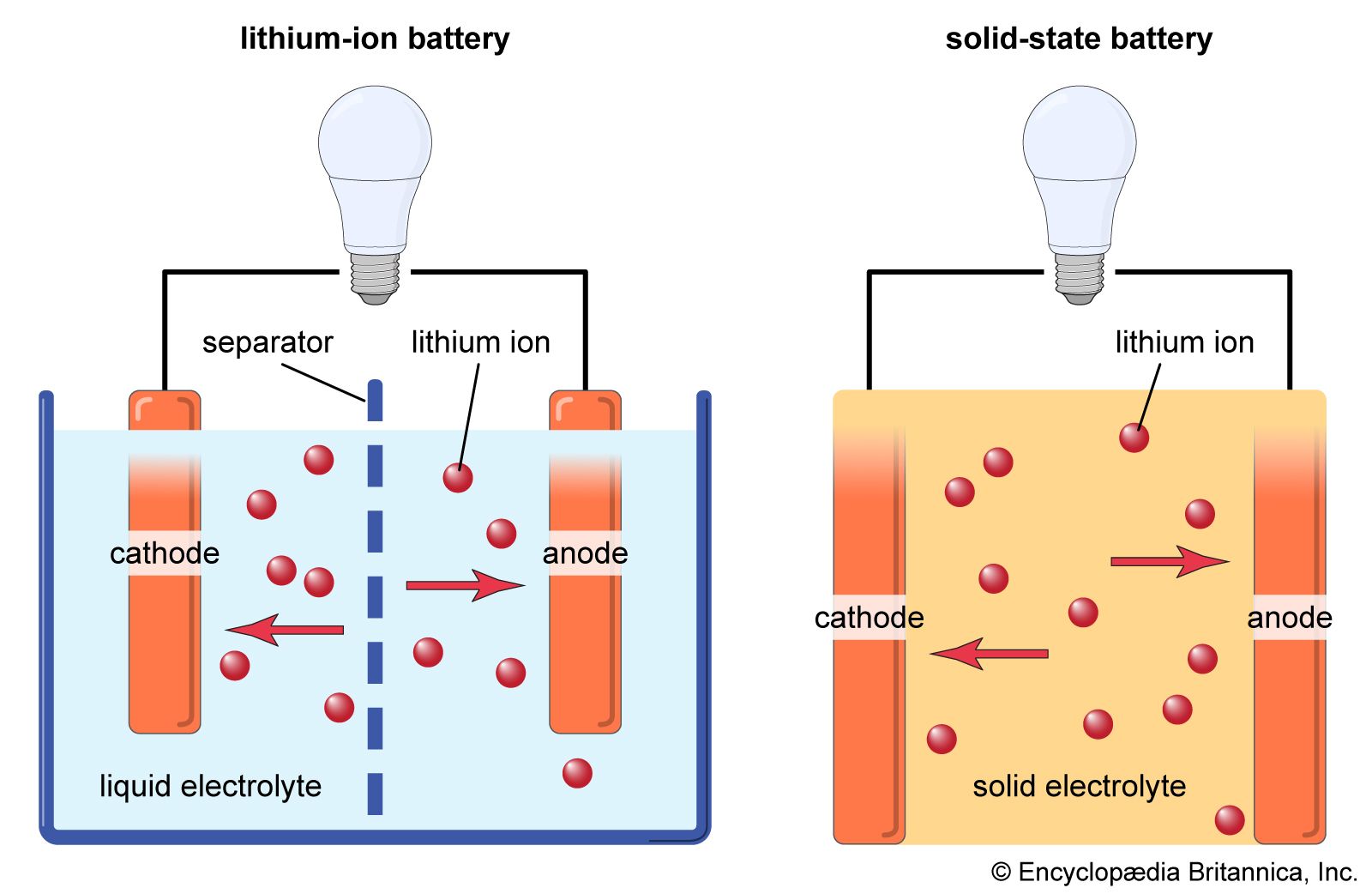
How solid electrolytes change maintenance
The key to understanding SSB maintenance lies in recognizing how the solid electrolyte changes the game. In traditional lithium-ion batteries, the liquid electrolyte is susceptible to degradation over time, leading to capacity fade and reduced performance. Dendrite formation – the growth of metallic lithium structures – is another major issue, potentially causing shorts and even fires.
Solid electrolytes are inherently more stable. They suppress dendrite formation, enhancing safety and allowing for the use of lithium metal anodes, which offer significantly higher energy density. However, this doesn’t mean SSBs are maintenance-free. The solid electrolyte itself can experience degradation, albeit through different mechanisms than liquid electrolytes. Issues like interface resistance between the electrolyte and electrodes can arise, impacting performance.
Therefore, maintenance isn’t about "fixing" a broken battery, but about optimizing how you use it to minimize these degradation pathways. It's about understanding the operating parameters that keep the SSB functioning at its best. The focus shifts from preventing catastrophic failure to preserving long-term capacity and performance. Understanding this difference is the first step to proper SSB care.
Temperature limits
While SSBs are generally more thermally stable than their lithium-ion counterparts, they’re still sensitive to extreme temperatures. Both heat and cold can negatively impact performance and lifespan. Operating an SSB outside of its ideal temperature range can accelerate degradation and reduce overall capacity.
Treat these batteries like a high-end smartphone. Don't leave them in a hot car or sitting in direct sunlight. Freezing temperatures are just as bad. While exact thresholds vary by brand, keeping them in human-comfortable ranges is the safest bet.
For storage, a cool, dry environment is best. Think room temperature or slightly below. Extreme temperature fluctuations are also detrimental, so avoid storing batteries in places where they’ll experience significant swings in temperature. Simple precautions like storing devices indoors and away from vents can make a big difference. Keeping the battery within its optimal temperature range will help preserve its long-term health.
Charging for longevity
Solid-state batteries can theoretically charge much faster than lithium-ion batteries. However, the initial SSB implementations we’ll see in 2026 are likely to prioritize longevity over speed. Manufacturers will likely implement optimized charging profiles to carefully manage the charging process and minimize stress on the solid electrolyte.
Keep the charge between 20% and 80% whenever possible. Constant 100% cycles or letting the device die completely wears the solid electrolyte down faster. If your device has a 'battery health' toggle in the settings, turn it on.
Fast charging is likely to be supported, but it should be used in moderation. While convenient, consistently fast charging generates more heat and can contribute to faster degradation. The battery management system (BMS) plays a crucial role here, carefully monitoring voltage, current, and temperature to prevent overcharging or overheating. It will likely throttle charging speed if necessary.
Always follow the manufacturer’s guidelines for charging. They are the best source of information for your specific device and battery chemistry. The goal isn't just to get a quick charge, but to maximize the battery's lifespan and ensure its long-term reliability.
- Stop at 80% charge for daily use.
- Avoid full discharge cycles.
- Utilize optimized charging profiles.
- Use fast charging in moderation.
Storage Best Practices for Longevity
Long-term storage requires a slightly different approach with solid-state batteries. Unlike lithium-ion batteries, which are often recommended to be stored at around 50% charge, the ideal state of charge (SoC) for SSB storage is still being refined. However, around 50% is a good starting point, and manufacturers will likely provide more specific recommendations.
A cool, dry environment is essential. Humidity can accelerate degradation, so avoid storing batteries in damp locations. Self-discharge is a factor, although SSBs generally have lower self-discharge rates than lithium-ion batteries. However, it’s still a good idea to check the battery’s charge level periodically – perhaps every few months – and top it up if necessary.
Proper storage is particularly important if you plan to store a device for an extended period. By following these best practices, you can significantly extend the battery’s lifespan and ensure it’s ready to go when you need it.
Recognizing Early Signs of Degradation
Identifying potential issues early on is key to maximizing the life of your solid-state battery. Common symptoms of degradation include reduced capacity – meaning the battery doesn’t last as long on a single charge – increased charging time, or unexpected shutdowns. These signs can be subtle at first, so regular monitoring is important.
Pay attention to how quickly your device’s battery drains under normal usage. If you notice a significant decrease in runtime, it could be an indication of degradation. Also, observe how long it takes to charge the battery. A noticeable increase in charging time could be another warning sign. Unexpected shutdowns, especially when the battery still shows a reasonable charge level, are also cause for concern.
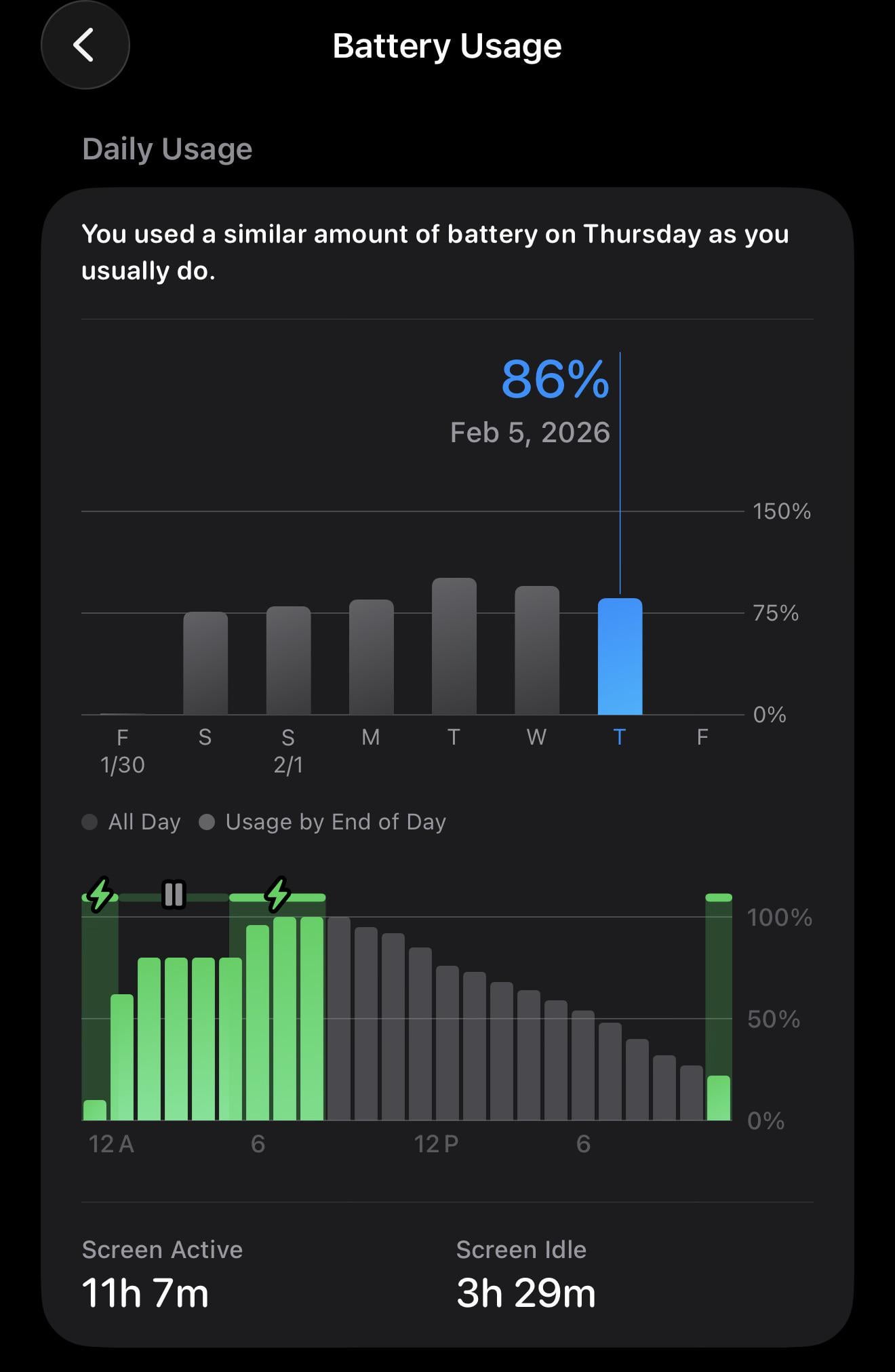
The battery management system (BMS) plays a vital role in detecting and reporting these issues. It can provide valuable insights into the battery’s health and performance. Familiarize yourself with your device’s battery health monitoring tools, if available, and check them regularly. It's better to be proactive than to wait until the battery completely fails.
Troubleshooting: What You Can (and Can't) Do
It’s important to be realistic about user-level troubleshooting with solid-state batteries. Unlike some older battery technologies, SSBs are sealed units. Attempting to open or repair them yourself is extremely dangerous and will void your warranty. There’s a risk of fire or exposure to hazardous materials.
Focus on software-based diagnostics. Check your device’s battery health monitoring tools for any error messages or warnings. If you suspect a problem, contact the manufacturer’s support team for assistance. They can provide more specific guidance and determine if a repair or replacement is necessary.
Here are a few things not to do: Do not attempt to disassemble the battery. Do not expose the battery to water or other liquids. Do not puncture or crush the battery. Do not expose the battery to extreme temperatures. Prioritizing safety is paramount. If in doubt, always consult with a qualified professional.
No comments yet. Be the first to share your thoughts!