

EV Battery Health: The 40% Extension
Extending your electric vehicle battery's life comes down to understanding how these complex systems age and adopting habits that minimize degradation. Proactive care can realistically extend battery life by up to 40%, a significant benefit given the cost of battery replacement. This directly preserves your vehicle’s value and maximizes its range over time.
EV batteries don’t just suddenly "die"; they gradually lose capacity. This happens through a few key processes: calendar aging, which occurs naturally over time regardless of use; cycle aging, which happens with each charge and discharge cycle; and abuse – things like extreme temperatures or consistently charging to 100% – which accelerates the process. Maintaining battery capacity means slowing down these effects.
Obsessively maximizing every mile today due to range anxiety can actually shorten the battery’s lifespan tomorrow. A well-maintained battery offers consistent performance for years, and foresight now can save you money and hassle later. This isn’t about drastically changing your lifestyle, but making informed decisions about how you charge and use your EV.
Consistent, preventative maintenance is always more cost-effective than major repairs or replacements. The 40% extension isn’t a guarantee, but it’s a realistic goal achievable through informed habits and attention. We’ll break down the key areas where you can make a difference.
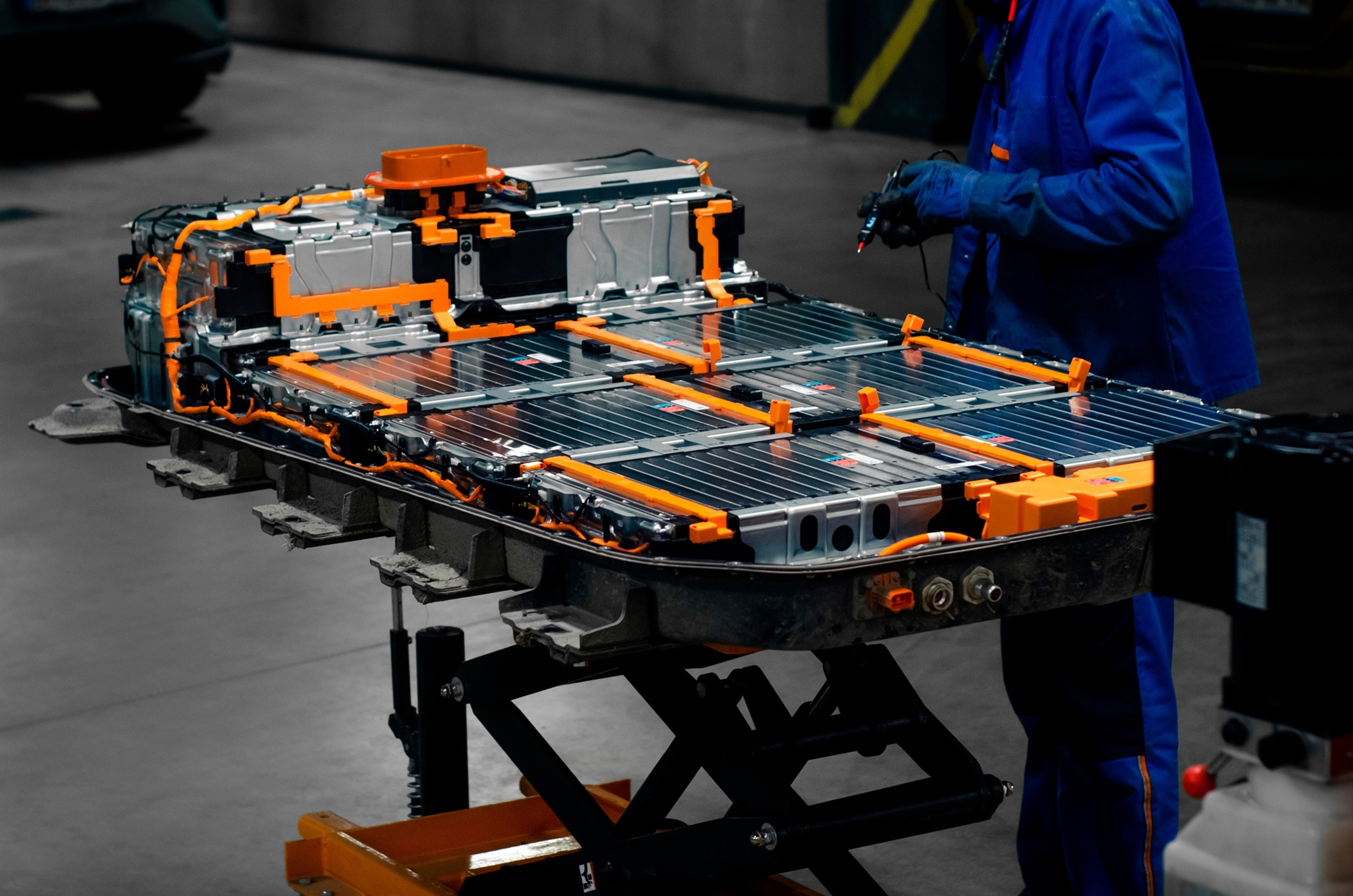
Temperature's Impact: Avoiding Extremes
Temperature is arguably the biggest enemy of EV battery health. Both extreme heat and cold significantly impact battery performance and longevity. High temperatures accelerate chemical reactions within the battery, leading to faster degradation. It's similar to leaving a phone in the sun – it won’t work as well, and the battery won’t last as long.
Increased temperatures speed up the decomposition of the electrolyte, the liquid that allows ions to move between electrodes. This reduces the battery’s ability to store energy. Cold temperatures reduce the battery’s internal resistance, slowing chemical reactions and reducing available capacity. You’ll notice reduced range in cold weather, and charging can also take longer.
Most EVs have thermal management systems to regulate battery temperature, but they aren’t perfect. Preconditioning the battery before driving in extreme weather is smart. This involves warming or cooling the battery while it’s plugged in, minimizing stress during actual use. When possible, park in shaded areas during hot weather and in a garage during cold snaps.
Modern battery systems are more resilient than earlier generations, but consistently exposing your battery to extreme temperatures still takes a toll. It's a gradual process, but even a few degrees can make a difference long term. Checking the vehicle’s manual for specific temperature recommendations is a good idea.
- Below 32°F (0°C): Reduced capacity and slower charging.
- 68-77°F (20-25°C): Ideal operating temperature range.
- Above 95°F (35°C): Accelerated degradation.
EV Battery Capacity Retention vs. Temperature (5-Year Projection)
Data: AI-generated estimate for illustration
Charging Habits: Slow and Steady Wins
How you charge your EV is almost as important as when you charge it. While DC fast charging is convenient for long trips, relying on it for daily charging can accelerate battery degradation. DC fast charging generates significant heat, which, as discussed, is detrimental to battery health. Level 2 charging, using a 240-volt outlet, is much gentler on the battery.
For everyday top-ups, Level 2 charging is best. It takes longer, yes, but it minimizes heat buildup and extends battery life. A slow simmer is better than a rapid boil. The 80/20 rule is a good guideline – avoid consistently charging to 100% and discharging to 0%. Keeping the battery between 20% and 80% is generally the sweet spot.
Charging to 100% occasionally for long trips is fine, but leaving the battery at that state for extended periods causes stress. Letting the battery drain completely isn’t ideal. Most EVs have settings to limit the maximum charge level, a useful feature to take advantage of. Different charging voltages and currents also play a role, but these are typically managed automatically by the car’s charging system.
Don’t avoid DC fast charging entirely; minimize its use. Reserve it for situations where you genuinely need a quick charge on a long journey. Prioritizing Level 2 charging when possible pays dividends long term. Patience now means a healthier battery for years to come.
- Level 1 (120V): Slowest charging speed, suitable for overnight top-ups.
- Level 2 (240V): Ideal for daily charging, offers a good balance of speed and battery health.
- DC Fast Charging: Fastest charging speed, best reserved for long trips.
Regenerative Braking: A Double-Edged Sword
Regenerative braking converts kinetic energy back into electricity and stores it in the battery. It increases efficiency and extends range. However, aggressive regenerative braking generates heat, which can contribute to battery wear.
When you apply strong regenerative braking, the motor acts as a generator, creating electricity. This process isn’t perfectly efficient, and some energy is lost as heat. While the heat generated is relatively small, consistently maximizing regenerative braking, especially during frequent stops, could theoretically contribute to battery degradation over time.
The impact of regenerative braking is uncertain. Finding a balance is a good idea. Using regenerative braking effectively to recapture energy is beneficial, but you don’t necessarily need to set it to the highest level all the time. Many EVs allow you to adjust its intensity.
The significance of this impact is uncertain, but it’s a factor worth considering, especially if you drive in stop-and-go traffic frequently. Experiment with different settings and find a level that feels comfortable and efficient without putting undue stress on the battery.
Software Updates: The Unsung Hero
Software updates can improve battery management systems (BMS) and optimize charging algorithms. These updates are often overlooked but can have a surprisingly positive impact on battery health and performance.
A well-tuned BMS maximizes battery life. It monitors the battery’s voltage, current, temperature, and state of charge, adjusting charging and discharging accordingly. Software updates refine these algorithms, leading to more accurate state-of-charge estimations and better thermal management. This results in more efficient charging and reduced degradation.
Updates aren’t always about new features; often
Think of it like keeping your smartphone’s operating system up to date. It’s not always glamorous, but it ensures that your device is running at its best. The same principle applies to your EV's battery.
Long-Term Storage: Preparing for Inactivity
If you plan to store your EV for an extended period – perhaps a seasonal vehicle or a prolonged vacation – there are a few key steps to take to protect the battery. The goal is to minimize degradation during inactivity. Storing the battery at around 50% state of charge is generally recommended. This reduces stress on the battery cells.
Disconnecting the 12V battery is also important. This prevents parasitic drain, which can slowly deplete the battery’s charge over time. EV batteries experience self-discharge, meaning they gradually lose charge even when not in use. Checking the charge level periodically (every few months) is a good practice, and topping it up if necessary.
The storage environment also matters. Store the car in a cool, dry place, away from direct sunlight. Extreme temperatures can accelerate battery degradation, even during storage. A garage or covered parking area is ideal. Avoid storing the car outdoors for extended periods, especially in harsh weather conditions.
Following these steps will help ensure that your battery remains in good condition during long-term storage. When you’re ready to drive again, simply reconnect the 12V battery and charge the EV battery to your desired level.
- Store at 50% SOC: Reduces stress on battery cells.
- Disconnect 12V battery: Prevents parasitic drain.
- Store in a cool, dry place: Minimizes degradation.
Monitoring Battery Health: Knowing Your Numbers
Most EVs provide some level of battery health information through the car’s onboard systems. Accessing and interpreting this data can help you track the battery’s condition and identify any potential issues. Key metrics to look for include state of health (SOH) and remaining capacity. SOH is a percentage that indicates the battery’s current capacity relative to its original capacity.
Remaining capacity tells you how much energy the battery can currently store. A declining SOH or a significant reduction in remaining capacity could indicate that the battery is degrading faster than expected. However, it’s important to note that SOH isn’t always perfectly accurate. It’s an estimate based on various factors, and it can vary between manufacturers.
Several third-party apps and tools can provide more detailed battery analysis. These apps can often access data directly from the car’s computer and provide insights into battery temperature, charging cycles, and other relevant metrics. These tools can be particularly useful for identifying subtle changes in battery health.
While SOH is a useful indicator, it’s not the only thing to consider. Pay attention to your driving range and how it changes over time. If you notice a significant decrease in range, even if the SOH remains relatively stable, it could be a sign that the battery is starting to degrade. Regular monitoring and awareness are key to proactive battery maintenance.
Interpreting EV Battery Health Metrics
| Metric | Good Range | Warning Range | Critical Range | Action to Take |
|---|---|---|---|---|
| State of Health (SOH) | Above 80% | 70-80% | Below 70% | Monitor closely; consider battery health optimization services if available. |
| Remaining Capacity | Above 90% of original | 80-90% of original | Below 80% of original | Assess driving habits; investigate potential issues with charging or usage. |
| Average Charge/Discharge Rate | Typically below 1C (charge or discharge in 1 hour) | 1C - 1.5C | Above 1.5C | Avoid consistently high charge/discharge rates; utilize slower charging options when possible. |
| Cell Voltage Balance | Within 0.1V across all cells | 0.1V - 0.2V difference | Above 0.2V difference | Have battery pack inspected by a qualified technician. |
| Internal Resistance | Low and stable | Slightly increasing | Rapidly increasing | Indicates degradation; potential need for module or pack replacement. |
| Temperature During Operation | 20-40°C (68-104°F) | 40-50°C (104-122°F) | Above 50°C (122°F) | Reduce load on battery; avoid rapid charging/discharging; ensure adequate cooling. |
Illustrative comparison based on the article research brief. Verify current pricing, limits, and product details in the official docs before relying on it.
Future Tech: Solid-State and Beyond
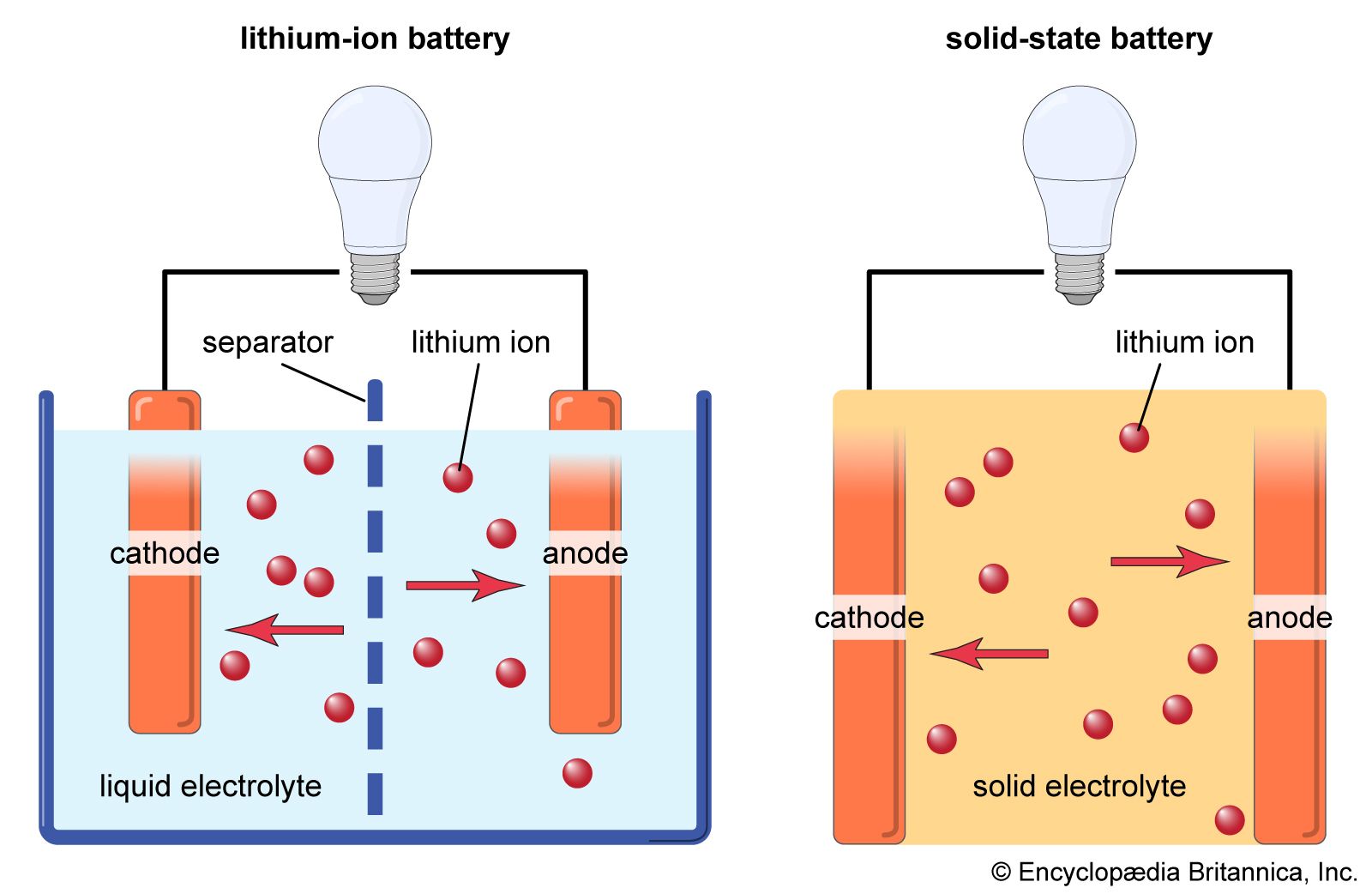
The future of EV batteries is looking bright, with several promising technologies on the horizon. Solid-state batteries are one of the most talked-about advancements. Unlike conventional lithium-ion batteries, which use a liquid electrolyte, solid-state batteries use a solid electrolyte. This offers several potential benefits, including increased energy density, improved safety, and longer lifespan.
Solid-state batteries have the potential to significantly increase the range of EVs while also reducing the risk of fires. They also tend to degrade more slowly than traditional lithium-ion batteries. However, solid-state battery technology is still in its early stages of development, and mass production is likely several years away.
Other emerging battery technologies include lithium-sulfur batteries and sodium-ion batteries. These technologies offer different advantages and disadvantages, but they all aim to improve upon the limitations of current lithium-ion batteries. As these technologies mature, they could significantly impact EV battery maintenance in the future.
These advancements suggest that future EVs will require even less maintenance than today’s models. While proactive care will always be important, the inherent improvements in battery technology will undoubtedly contribute to longer lifespans and reduced degradation.
No comments yet. Be the first to share your thoughts!