

Solid-state batteries in 2026
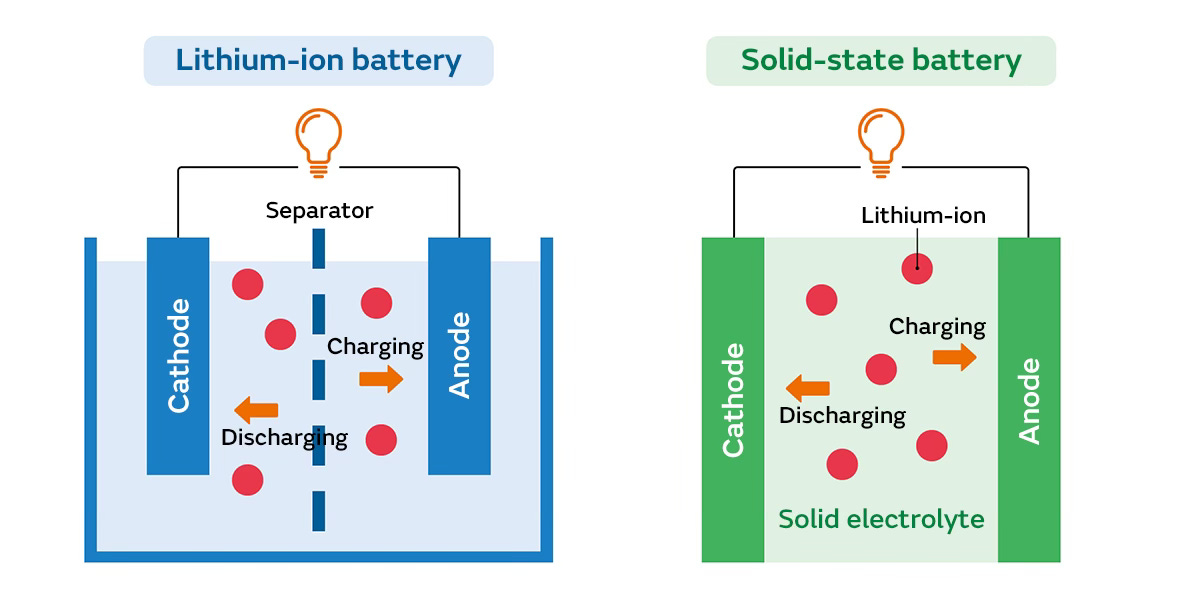
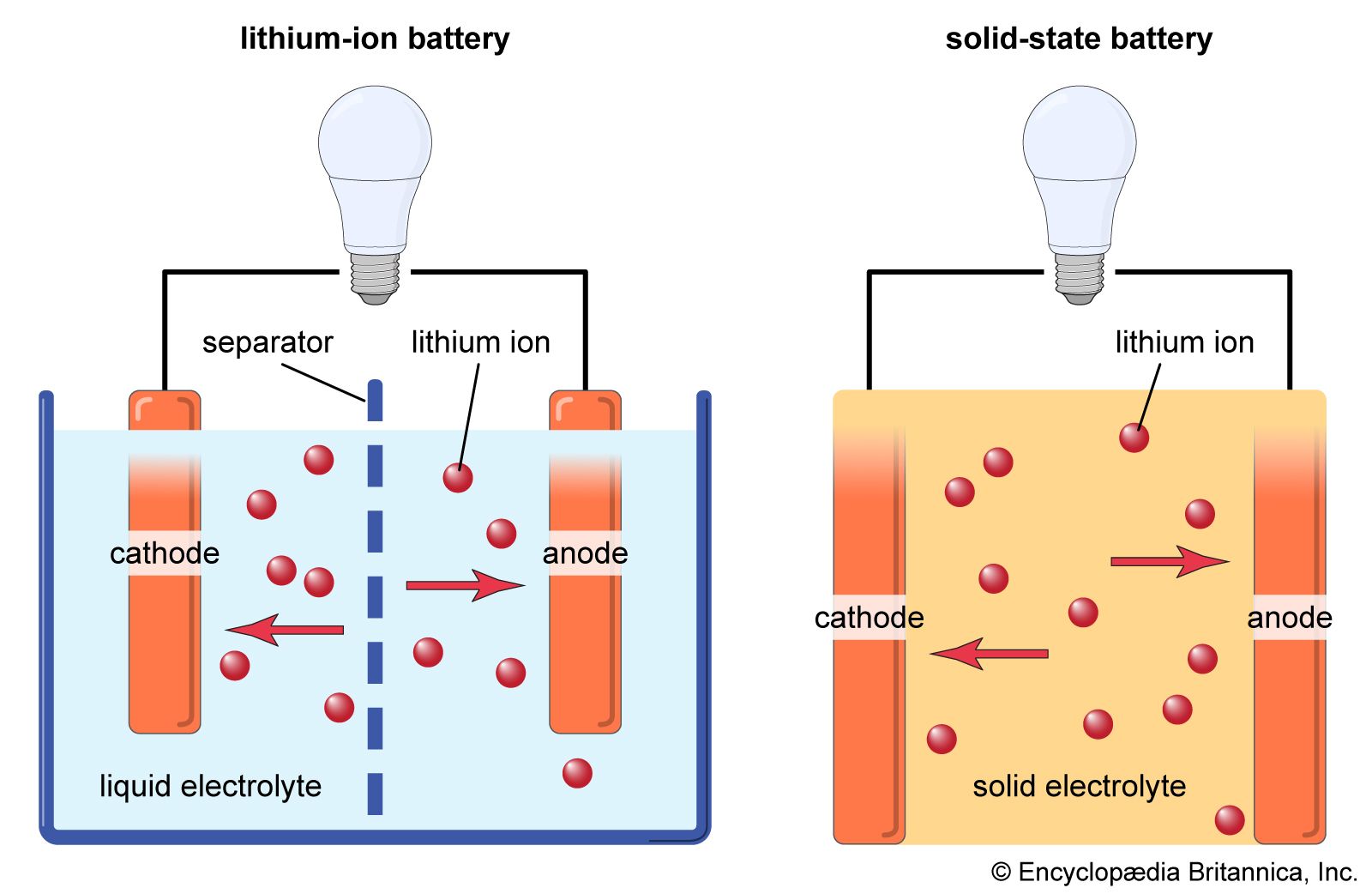
Solid-state batteries (SSBs) are generating a lot of buzz, and for good reason. Unlike traditional lithium-ion batteries which use a liquid electrolyte, SSBs replace that liquid with a solid material. This shift promises improvements in energy density, safety, and stability. As of late 2026, we're seeing SSBs steadily gaining traction in consumer electronics, though a complete takeover isn't here yet.
The limitations of lithium-ion are well documented: degradation over time, flammability risks due to the liquid electrolyte, and limitations in how much energy can be packed into a given space. SSBs address many of these concerns. The solid electrolyte is non-flammable, and allows for the use of more energy-dense electrode materials. Right now, you’ll find them most commonly in higher-end smartphones – notably some models from Samsung and Xiaomi – and increasingly in electric scooters and drones.
Manufacturing at scale is still the main hurdle, keeping costs higher than standard lithium-ion. While we wait for these to power cars, they are already showing up in high-end phones. The shift is slow, but the safety benefits make it inevitable for premium gear.
Heat and cold still matter
Solid-state batteries generally exhibit greater temperature tolerance compared to their lithium-ion counterparts, but that doesn't mean they're immune to temperature's effects. Extreme heat or cold will still impact performance and, over time, longevity. The optimal operating temperature range varies depending on the specific SSB chemistry, but a good rule of thumb is between 20°C and 25°C (68°F and 77°F).
For most SSBs in phones and laptops, prolonged exposure to temperatures below 0°C (32°F) can temporarily reduce capacity and charging speed. Conversely, exceeding 45°C (113°F) can accelerate degradation and potentially lead to reduced lifespan. Wearable devices, often worn close to the body, might experience slightly different temperature profiles, so it’s vital to consider the specific device.
Even if these batteries are tougher, they aren't invincible. Small temperature swings still add up. Keep your device out of the glovebox on a summer day or the porch in winter if you want the battery to last three years instead of two.
- Keep it between 20°C and 25°C for the best results.
- Low-Temperature Limit: Below 0°C (32°F) – temporary capacity reduction
- High-Temperature Limit: Above 45°C (113°F) – accelerated degradation
Solid-State Battery Chemistry Optimal & Acceptable Temperature Ranges and Capacity Retention (2026 Estimates)
| Battery Chemistry | Optimal Operating Temperature Range (°C) | Acceptable Operating Temperature Range (°C) | Capacity Retention Impact (Extended Exposure Outside Optimal Range) | Notes |
|---|---|---|---|---|
| Sulfide-Based | 20-40 | 0-60 | Moderate capacity fade; increased risk of dendrite formation at lower temperatures. | Common in early-adopter EVs and high-drain applications. Avoid prolonged exposure to freezing temperatures. |
| Polymer-Based | 15-35 | -10-50 | Gradual capacity loss; potential for electrolyte degradation at higher temperatures. | Frequently used in wearables and smaller consumer devices. Keep away from direct heat sources. |
| Oxide-Based | 25-45 | 5-65 | Noticeable capacity reduction; performance degradation more rapid outside optimal range. | Often found in power tools and larger portable electronics. Store in a cool, dry place. |
| Halide-Based | 10-30 | -20-50 | Capacity loss accelerates with temperature fluctuations; sensitivity to humidity. | Emerging technology; requires careful thermal management. Protect from moisture. |
| Lithium Metal/Glass Composite | 20-40 | 0-60 | Capacity fade is observed at both high and low temperatures, but is generally slower than sulfide-based chemistries. | Promising for high energy density applications. Avoid extreme temperature cycles. |
| Argyrodite-Based | 15-35 | -5-55 | Moderate capacity loss; potential for interface instability at higher temperatures. | Still under development, showing promise for improved stability. Keep within recommended temperature limits. |
| Phosphide-Based | 25-45 | 5-60 | Capacity retention is sensitive to temperature; performance can degrade rapidly outside the optimal range. | Emerging technology, benefits from stable thermal conditions. |
Illustrative comparison based on the article research brief. Verify current pricing, limits, and product details in the official docs before relying on it.
Better charging habits
Optimal charging practices for solid-state batteries are still being refined, but some guidelines are emerging. Unlike older lithium-ion batteries, SSBs aren’t as susceptible to damage from being fully charged or discharged. However, keeping the battery between 20% and 80% charge for extended periods can still help prolong its overall lifespan. This isn’t a hard and fast rule, but a good practice.
Fast charging is a trade-off. SSBs handle the heat better than liquid batteries, but high temperatures still wear down the solid electrolyte. I use a standard 5W or 10W brick overnight and save the high-wattage charger for emergencies.
The old advice to completely discharge a battery periodically is largely a myth, and it's definitely not recommended for SSBs. In fact, deep discharges can actually stress the battery. Modern battery management systems are designed to prevent over-discharge, and it’s best to let them do their job. Consistent, shallow charging cycles are generally preferable. Maintaining a consistent charging routine will help ensure long-term health.
- Optimal Charge Range: 20% - 80% for long-term health
- Fast Charging: Use sparingly, as it generates heat
- Deep Discharges: Avoid completely discharging the battery
Storage Strategies: Long-Term Health
When storing devices with solid-state batteries for an extended period – weeks or months – proper preparation is key. The ideal storage charge level is around 50%. This minimizes stress on the battery and helps maintain its capacity. Storing a battery fully charged or completely discharged for long periods is detrimental.
Temperature during storage is also critical. Cool, dry environments are best. Avoid storing devices in direct sunlight or in areas with extreme temperatures. A storage temperature between 15°C and 20°C (59°F and 68°F) is optimal. While SSBs are more robust, extreme temperatures will still accelerate degradation.
Whether to power off the device completely or leave it in a low-power state during storage is debatable. Most experts recommend powering off the device entirely to minimize any potential drain. However, some devices may benefit from being left in a very low-power sleep mode, allowing the BMS to perform periodic self-checks. Check your device's manual for specific recommendations.
Physical Impacts & Handling
Solid-state batteries are generally more physically robust than lithium-ion batteries, due to the solid electrolyte being less prone to leakage or rupture. However, they aren't indestructible. Dropping or impacting a device can still damage the battery, even if it doesn't immediately cause a failure. Bending or twisting a device can also stress the battery internally.
While the solid electrolyte offers improved safety, it doesn’t eliminate the risk of damage altogether. Severe impact can still compromise the battery's integrity and potentially lead to reduced performance or, in rare cases, a safety hazard. It’s always best to handle devices with care and avoid exposing them to unnecessary physical stress.
Specific handling precautions aren’t dramatically different from those for lithium-ion batteries: avoid extreme pressures, punctures, or exposure to corrosive substances. A good case can provide an extra layer of protection against accidental drops and impacts. It's also worth noting that attempting to repair or disassemble a device containing an SSB yourself is strongly discouraged.
Let the software do the work
The Battery Management System (BMS) handles the heavy lifting. It tracks health and caps charging speeds to keep the cells stable. Newer software is specifically tuned for the way solid electrolytes move ions, so keep your firmware updated.
Users should be aware of settings like optimized charging, which learns your charging habits and adjusts the charging process to minimize degradation. Battery health monitoring features, available on many devices, provide insights into the battery’s capacity and overall condition. Keep your device’s operating system and apps updated, as these updates often include improvements to battery management algorithms.
There are a few third-party apps available that offer more detailed insights into battery health, but their accuracy can vary. The built-in tools provided by the device manufacturer are generally the most reliable. The BMS is constantly working in the background to protect the battery, and it's important to let it do its job.
Troubleshooting Common Issues
While solid-state batteries are generally more reliable, users may still encounter issues. Reduced capacity is a common concern, and it’s often a natural result of battery aging. Unexpected shutdowns can occur if the BMS detects a problem or if the battery is subjected to extreme temperatures. Slow charging can be caused by a faulty charger, a damaged charging cable, or a problem with the BMS.
Unlike some lithium-ion issues, swelling is less common with SSBs due to the solid electrolyte. However, if you notice any physical deformation of your device, discontinue use immediately and seek professional help. If your device isn't charging, try a different charger and cable. If the problem persists, contact the manufacturer or a qualified repair technician.
It’s important to distinguish between issues specific to SSBs and general battery problems. If your device is running slowly or experiencing performance issues, it might not be a battery problem at all. Try closing unnecessary apps and restarting the device. If the problem continues, consider a factory reset.
- Reduced Capacity: Natural aging, contact support if rapid.
- Unexpected Shutdowns: BMS detection, temperature issues, seek repair.
- Slow Charging: Faulty charger, cable, or BMS – test replacements.
No comments yet. Be the first to share your thoughts!