

Why factory batteries fail audio systems
If your bass hits feel weaker in your car than they did in the showroom, your battery is likely the bottleneck. High-end amplifiers pull more current than standard electrical systems can provide, leading to voltage drops that starve your subwoofers.
Factory car batteries are designed to start the engine and power basic electrical systems – headlights, radio, wipers. They aren’t built to handle the sustained, heavy load of a high-performance car audio setup. Amplifiers, especially, can demand a lot of current, and if the battery can’t deliver it consistently, you’ll experience distortion, reduced volume, and even system shutdowns. It's a frustrating experience to invest in great sound only to have it limited by a weak power source.
The core issue is that standard car batteries are starting batteries. They’re optimized for short bursts of high current to turn the engine over. Deep cycle batteries, on the other hand, are designed for sustained discharge and recharge, making them ideal for powering audio equipment. They can deliver consistent power over a longer period, ensuring your system performs at its best. Switching to a deep cycle battery isn’t just an upgrade; it’s a necessity for anyone serious about their car audio.
Think of it like this: a starting battery is a sprinter, built for a quick burst of speed. A deep cycle battery is a marathon runner, built for endurance. For the long haul of a road trip with your favorite playlist, you definitely need that endurance.
Choosing between AGM, FLA, and lithium
Deep cycle batteries really shine when it comes to delivering consistent power over an extended period. Unlike starting batteries, which are quickly recharged by the alternator while driving, deep cycle batteries are built to withstand repeated discharging and recharging cycles. This makes them perfect for applications like powering car audio systems, where the battery is constantly being drained and replenished.
When selecting a deep cycle battery, several key characteristics matter. Amp-hour (Ah) rating is arguably the most important. It indicates how much current the battery can deliver over a specific time. A higher Ah rating means longer playtime at a given power draw. Cold Cranking Amps (CCA) are less critical for audio systems, as they measure starting power, but can be a helpful indicator of overall battery quality. More important than CCA for audio is the battery’s ability to maintain voltage under load.
There are three main types of deep cycle batteries: Flooded Lead Acid (FLA), Absorbed Glass Mat (AGM), and Gel. FLA batteries are the most affordable but require regular maintenance – checking and refilling electrolyte levels. AGM batteries are sealed and maintenance-free, making them more convenient, but generally more expensive than FLA. Gel batteries are similar to AGM but use a gelled electrolyte, offering even greater vibration resistance. Each has its place, but for most car audio applications, AGM offers a good balance of performance and convenience.
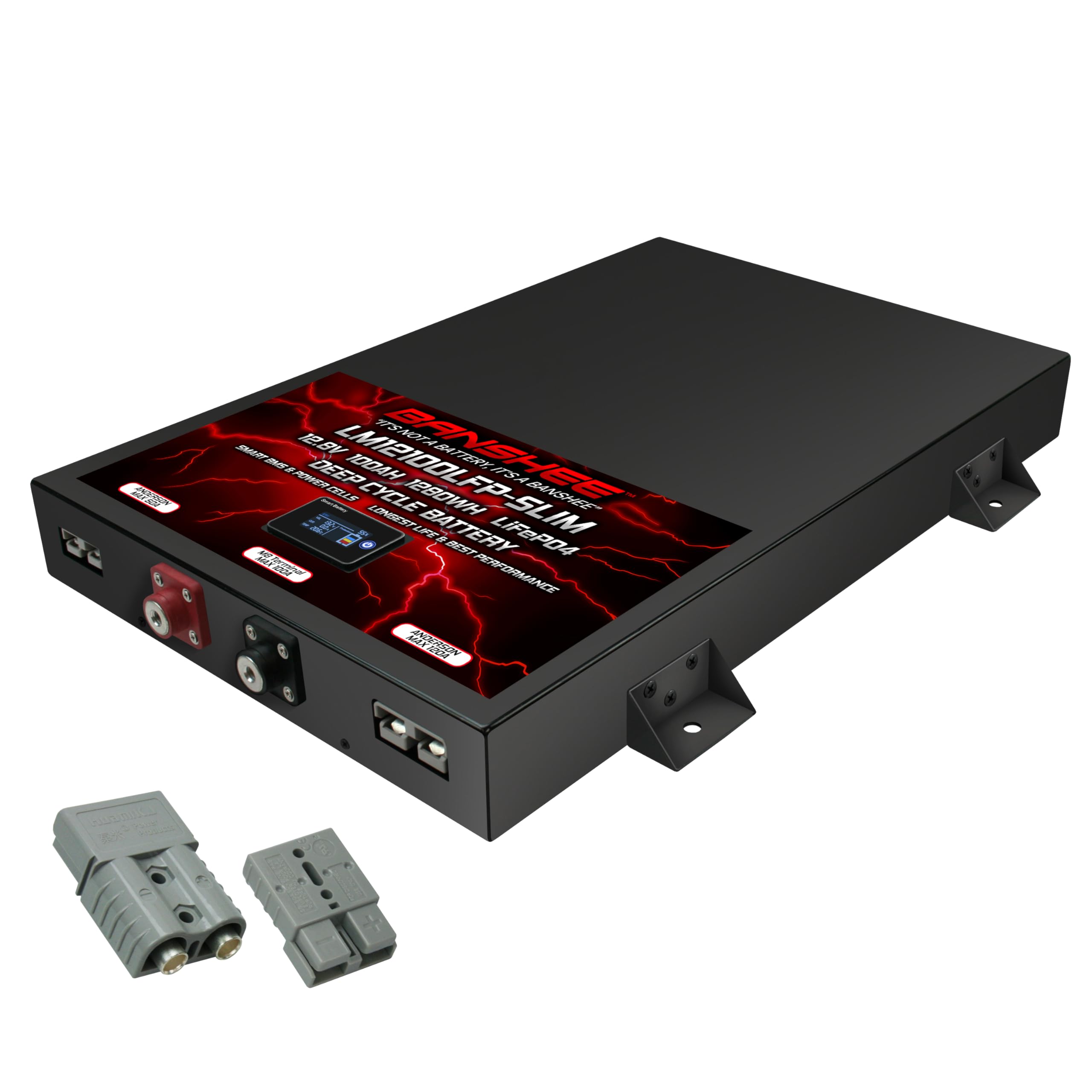
Lithium Iron Phosphate (LiFePO4) options are lighter and last longer than lead-acid, but they cost significantly more and require a Battery Management System (BMS). While they handle deep cycles well, the long-term durability of these cells under constant engine bay vibration is still unproven compared to rugged AGM designs.
- Flooded lead acid (FLA) is the cheapest option but needs regular water top-offs and upright mounting.
- Absorbed glass mat (AGM) is maintenance-free and handles vibration better than FLA.
- Gel: Highly vibration resistant, maintenance-free, generally the most expensive.
Car Audio Battery Technology Comparison - 12V Deep Cycle
| Type | Cost | Maintenance | Cycle Life | Vibration Resistance | Self-Discharge Rate |
|---|---|---|---|---|---|
| Flooded Lead Acid (FLA) | Low | High | Low | Low | Medium |
| Absorbent Glass Mat (AGM) | Medium | Low | Medium | Medium | Low |
| Gel | Medium to High | Low | Medium | Medium | Low |
| Enhanced Flooded (EFB) | Medium | Medium | Medium | Medium | Medium |
| Lithium Iron Phosphate (LiFePO4) | High | Very Low | High | High | Very Low |
Illustrative comparison based on the article research brief. Verify current pricing, limits, and product details in the official docs before relying on it.
The Top 12: 2026 Car Audio Battery Roundup
Choosing the right car audio battery can be overwhelming, with so many options available. Here’s a rundown of 12 of the top 12V deep cycle batteries for 2026, covering a range of budgets and performance needs. Prices are approximate and can vary depending on the retailer.
Optima Batteries RedTop 35: ($180) A classic choice, the RedTop 35 offers good starting power and decent deep cycle performance. It’s a good all-around option for moderate audio systems. 750 CCA, 35 Ah. It's a reliable choice, though not the best for extremely demanding setups.
Interstate Batteries Deep Cycle DCM 27: ($150) A solid value option, the DCM 27 provides a good balance of performance and price. It’s suitable for systems with a single amplifier and subwoofer. 825 CCA, 51 Ah.
Odyssey Extreme PC925: ($220) Known for its durability and long lifespan, the Odyssey Extreme PC925 is a premium AGM battery. It’s a great choice for those who want a battery that will last. 850 CCA, 33 Ah.
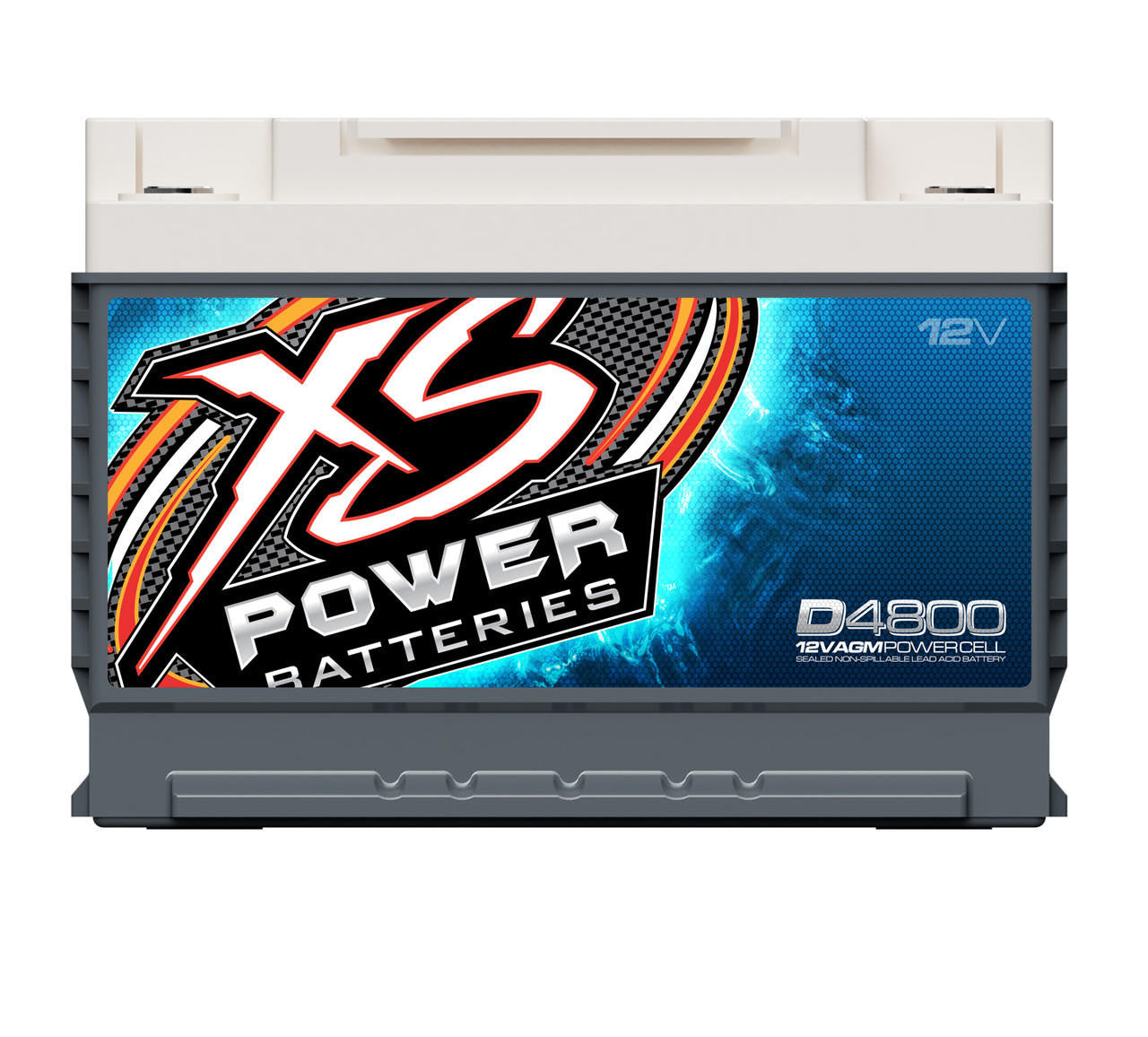
XS Power Batteries D3400: ($250) XS Power is a popular brand among car audio enthusiasts, and the D3400 is one of their flagship models. It’s designed for high-performance systems and can deliver a lot of current. 850 CCA, 34 Ah.
Kinetik HC1400: ($280) Kinetik batteries are known for their high-quality construction and performance. The HC1400 is a great option for systems with multiple amplifiers. 900 CCA, 40 Ah.
Northstar NSB-90: ($200) This AGM battery offers excellent deep cycle performance and is built to withstand harsh conditions. 800 CCA, 38 Ah.
DieHard Platinum Marine/RV Deep Cycle: ($190) While marketed for marine applications, this battery performs exceptionally well in car audio setups. It’s a durable and reliable option. 900 CCA, 59 Ah.
Renogy Deep Cycle AGM Battery: ($160) Renogy is a well-known brand in the renewable energy space, and their AGM batteries are also suitable for car audio. A good budget-friendly option. 750 CCA, 50 Ah.
ExpertPower EXP1290: ($140) A very affordable option that still provides decent deep cycle performance. Suitable for basic audio upgrades. 700 CCA, 33 Ah.
Fullriver Battery HC14F: ($230) A high-quality AGM battery designed for demanding applications. It’s a good choice for those who want a long-lasting and reliable battery. 800 CCA, 41 Ah.
Weize Deep Cycle AGM Battery: ($130) Another budget-friendly option that offers good value for the money. 640 CCA, 35 Ah.
Lion Energy Ultimate Lithium UT1300: ($800) Stepping into the LiFePO4 world, the Lion Energy UT1300 is lightweight and offers exceptional cycle life. Requires a BMS. 120Ah, no CCA rating (LiFePO4 doesn’t use CCA).
Featured Products

Dual Purpose: Suitable for starting and deep cycle applications · Sealed AGM (Absorbent Glass Mat) technology for spill-proof mounting · 750 Cold Cranking Amps (CCA) for reliable starting power
This battery offers a robust combination of starting power and deep cycle capability, making it a versatile choice for high-performance audio systems that also require reliable engine starting.

High amperage rating (2400A) for extreme power demands · Deep Cycle AGM Powercell design for sustained energy delivery · 56Ah capacity for extended audio playback
Engineered for large stereo systems, the D1400 provides exceptional burst current and sustained power, ensuring your audio system performs at its peak without voltage drop.

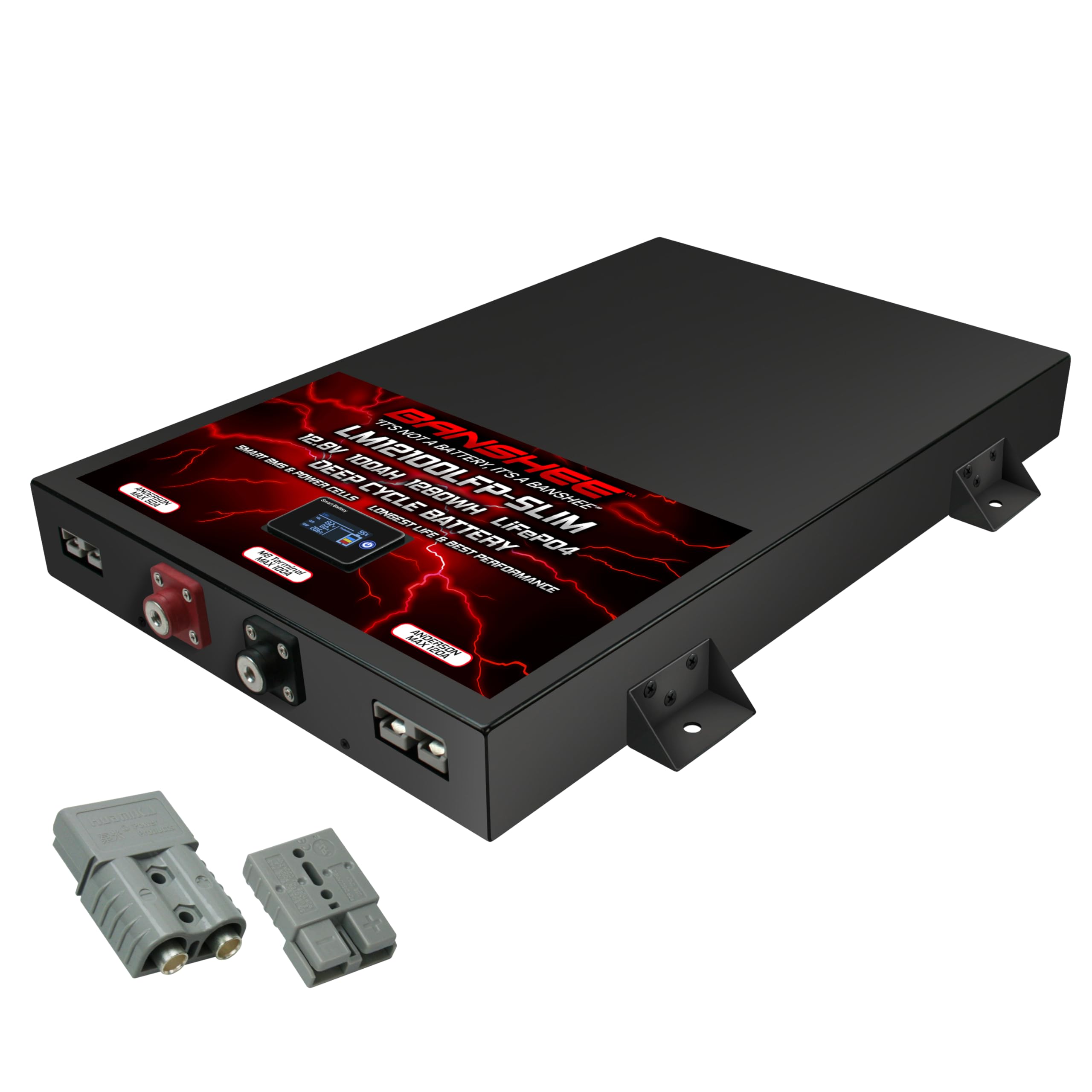
Lithium Iron Phosphate (LiFePO4) chemistry for long lifespan and safety · High energy density (2.56kWh) for extended runtime · Built-in 100A Battery Management System (BMS) for protection
This LiFePO4 battery offers superior energy density and an exceptionally long cycle life, providing consistent, high-power output ideal for demanding audio setups and offering significant weight savings over lead-acid alternatives.

Deep cycle design for consistent power delivery · Low self-discharge rate (3%) for extended storage · Maintenance-free operation
A reliable and cost-effective deep cycle option, this AGM battery provides stable power for your audio system and other accessories, with a low self-discharge rate ensuring readiness when you need it.

Extreme deep discharge capability · Vibration resistance for durability · Longer service life compared to conventional batteries
The Odyssey 34R-PC1500T is built for extreme conditions, offering superior deep discharge recovery and vibration resistance, ensuring consistent power delivery even under demanding audio loads and rough terrain.
As an Amazon Associate I earn from qualifying purchases. Prices may vary.
The trade-offs of lithium power
Lithium Iron Phosphate (LiFePO4) batteries are increasingly being considered for car audio applications, and for good reason. They offer several key advantages over traditional lead-acid batteries. They are significantly lighter, meaning less weight in your vehicle, which can improve handling and fuel efficiency. They also have a much longer lifespan, often exceeding 2000 charge/discharge cycles compared to around 300-500 for lead-acid.
Perhaps the biggest benefit is their consistent voltage output. Lead-acid batteries experience voltage drop as they discharge, which can affect the performance of your audio system. LiFePO4 batteries maintain a stable voltage throughout their discharge cycle, ensuring consistent sound quality. They also charge much faster, getting you back on the road quicker.
However, LiFePO4 isn’t without its drawbacks. The initial cost is considerably higher than lead-acid batteries. They also require a Battery Management System (BMS) to protect against overcharging, over-discharging, and temperature extremes. A BMS adds to the overall cost and complexity of the system. I'm still a bit hesitant to fully endorse LiFePO4 for car audio due to concerns about long-term reliability in the automotive environment – constant vibration and temperature fluctuations could potentially shorten their lifespan.

Antigravity Batteries AG-801 Small Case Lithium Starter Battery – Lightweight High-Cranking Battery for Performance Motorcycles & Powersports (No BMS)
- Lightweight design for improved performance
- High-cranking power for reliable starting
- Designed for powersports and performance vehicles
The Antigravity Batteries AG-801 offers a lightweight, high-cranking solution ideal for enthusiasts seeking to optimize their vehicle's electrical system for premium audio, making it a strong contender for dedicated car audio builds.
View on Amazon →As an Amazon Associate I earn from qualifying purchases.
Installation: Avoiding Common Mistakes
Installing a new car audio battery is generally straightforward, but it’s important to follow safety precautions. Always disconnect the negative terminal of the old battery first to prevent accidental shorts. Wear eye protection and gloves to protect yourself from battery acid. Ensure the vehicle is turned off and the key is removed from the ignition.
Proper cable sizing is crucial. Undersized cables can overheat and cause a fire. Use a wiring chart to determine the appropriate gauge cable for your system’s power requirements. Always use a fuse within 12 inches of the battery to protect the wiring and equipment. The fuse rating should be slightly higher than the maximum current draw of your audio system.
When mounting the battery, ensure it’s securely fastened to prevent vibrations. Vibration can damage the battery and surrounding components. Proper ventilation is also important, especially for FLA batteries, which can release hydrogen gas during charging. Consider using a battery isolator if you want to maintain the original starting battery while powering your audio system from a separate deep cycle battery.
Maximizing Battery Life: Maintenance Tips
To get the most out of your car audio battery, proper maintenance is essential. Avoid deep discharges whenever possible. Regularly charging the battery will help maintain its capacity. For FLA batteries, check the electrolyte levels periodically and add distilled water as needed. Keep the battery terminals clean and free of corrosion. A simple mixture of baking soda and water can effectively remove corrosion.
Consider using a battery tender during periods of inactivity. A battery tender will maintain a full charge, preventing sulfation and extending the battery’s lifespan. Extreme temperatures can also affect battery performance. Avoid exposing the battery to direct sunlight or freezing temperatures. Storing the battery in a cool, dry place will help preserve its capacity.
- Avoid deep discharges.
- Regularly charge the battery.
- Check electrolyte levels (FLA batteries).
- Clean terminals.
- Use a battery tender during inactivity.
No comments yet. Be the first to share your thoughts!