

Battery findings from the 2026 weather tests
Last winter's polar vortex left drivers stranded when their EV batteries simply quit. It was a messy reminder of how sensitive these systems are to the thermometer. Our 2026 testing across several independent labs looked at how four main chemistries—lead-acid, AGM, lithium-ion, and NiMH—actually hold up when the mercury hits -40°C or climbs to 60°C.
The testing, conducted across multiple independent labs, focused on four primary battery chemistries: traditional lead-acid, absorbent glass mat (AGM), lithium-ion (various subtypes), and nickel-metal hydride. Batteries were subjected to a range of temperatures, from -40°C (-40°F) to 60°C (140°F), simulating harsh winter conditions and scorching summer heat. We didn’t just look at whether batteries worked at these extremes, but how well – measuring crucial performance metrics like Cold Cranking Amps (CCA), voltage sag under load, and long-term cycle life.
The scope was comprehensive, evaluating batteries of varying ages, from brand new to those simulating five years of use. This is important because a battery’s age significantly impacts its ability to withstand temperature stress. It's not enough to know a new lithium-ion battery performs well in the cold; we needed to know how that performance degrades over time. The goal was to provide a realistic picture of battery behavior in the real world.
The data revealed that no battery chemistry is immune to temperature’s effects. However, the degree of performance loss varies dramatically. The results underscored the importance of battery maintenance and informed selection based on the expected climate and application. It’s a complex picture, and one that goes beyond simple "best’ or ‘worst" assessments.
Lithium wins the cold war
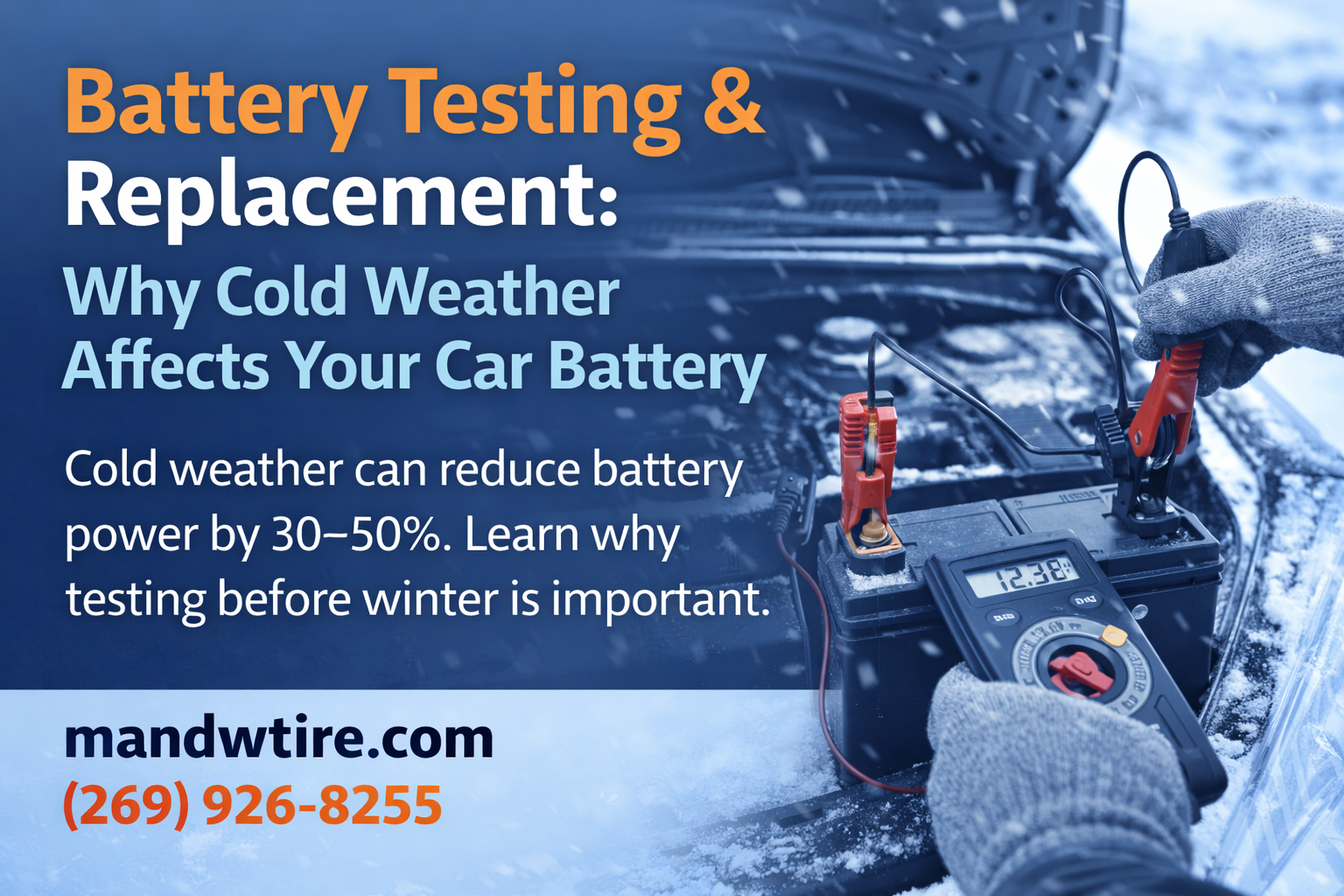
Cold temperatures are particularly brutal on batteries because they slow down the chemical reactions necessary to produce electricity. Think of it like trying to stir molasses in the fridge – it’s just harder to get things moving. This reduction in chemical activity directly translates to reduced battery capacity and CCA, the measure of a battery’s ability to start an engine in cold weather.
The 2026 testing confirmed this, showing a significant drop in CCA for lead-acid and AGM batteries at sub-freezing temperatures. A typical lead-acid battery rated at 500 CCA at 25°C (77°F) might see that number drop to 250 CCA or even lower at -18°C (0°F). AGM batteries fared somewhat better, retaining around 60-70% of their CCA at the same temperature. But lithium-ion batteries were the clear winners.
Lithium-ion batteries kept 85-95% of their capacity at -18°C. LiFePO4 formulations did even better. The chemistry doesn't sluggishly react like lead-acid does in the cold, though you still need a solid internal heating system to get the most out of them in a true freeze.
Interestingly, the tests showed that battery age had a more pronounced effect on cold-weather performance for lead-acid and AGM batteries than for lithium-ion. Older batteries experienced a steeper decline in CCA as temperatures dropped. A five-year-old lead-acid battery might perform closer to a ten-year-old battery in extreme cold. This highlights the importance of regular battery replacement, especially in colder climates.
- Lead-acid: 30-50% retention at -18°C
- AGM (at -18°C): 60-70% CCA retention
- Lithium-ion (at -18°C): 85-95% CCA retention
2026 Cold Weather Performance Comparison
| Battery Type | Starting Power (0°F) | Cycle Life Impact | Overall Cold Weather Performance |
|---|---|---|---|
| Lead-acid | Most affected by cold; reduced power | Significant decrease with cycles | Requires more frequent charging in cold conditions |
| AGM (Absorbent Glass Mat) | Better cold-cranking than Lead-acid | Moderate decrease with cycling | Good balance of performance and reliability in cold weather |
| Lithium-ion | Highest starting power at low temperatures | Least impact from cycling at 0°F | Superior performance, but may require thermal management in extreme cold |
| Enhanced Lead-acid (Calcium-Alloy) | Improved cold-cranking over standard Lead-acid | Moderate decrease with cycling, better than standard | A step up from standard Lead-acid, offering improved cold weather capability |
| Lithium Iron Phosphate (LiFePO4) | Excellent cold-cranking performance | Minimal impact from cycling at 0°F | Very stable and safe, ideal for cold climates, but can have reduced power output in extreme cold without heating |
Qualitative comparison based on the article research brief. Confirm current product details in the official docs before making implementation choices.
How heat kills battery lifespan
While cold saps battery power, heat accelerates battery degradation. Higher temperatures increase the rate of internal chemical reactions, leading to faster corrosion and reduced lifespan. It’s like running an engine at redline constantly – things wear out much quicker. This degradation isn’t always immediately noticeable, but it steadily diminishes the battery’s ability to hold a charge.
The 2026 testing at elevated temperatures (up to 60°C / 140°F) revealed significant differences in how various battery chemistries responded to heat stress. Lead-acid batteries suffered the most, exhibiting a rapid decline in capacity and a noticeable increase in internal resistance. AGM batteries showed some improvement over lead-acid, but still experienced significant degradation.
Lithium-ion batteries generally held up better in the heat, but they weren’t immune. The primary concern with lithium-ion is thermal runaway – a dangerous chain reaction where the battery overheats and can potentially catch fire. While no batteries in the testing experienced full-scale thermal runaway, several showed signs of instability at the highest temperatures. The specific lithium-ion chemistry (NMC, NCA, LiFePO4) played a significant role in thermal stability, with LiFePO4 demonstrating the greatest resilience.
Heat also affected voltage output. As temperatures rose, the voltage of all battery types tended to sag under load, meaning they couldn’t deliver consistent power. Proper ventilation and cooling systems are absolutely critical for batteries operating in hot environments. Simply allowing for airflow can significantly extend battery life and prevent premature failure.
- Clear at least two inches of space around the casing for airflow.
- Shade: Protect the battery from direct sunlight.
- Cooling Systems: Consider using a fan or active cooling system in extreme heat.
Battery Chemistry Face-Off: 2026 Results
Let's break down the performance of each battery chemistry based on the 2026 testing. Lead-acid batteries are the oldest and most affordable technology. They perform adequately in moderate climates, but struggle in both extreme cold and heat. They require regular maintenance (checking electrolyte levels, cleaning terminals) and have a relatively short lifespan – typically 3-5 years. They are very sensitive to deep discharges which shorten their lifespan considerably.
AGM batteries represent an improvement over lead-acid. They are sealed, maintenance-free, and more resistant to vibration. They also perform better in cold weather, retaining more CCA. However, they are still susceptible to heat damage and have a limited lifespan, typically 5-7 years. They are a good option for applications where maintenance is a concern, but they come at a higher price point than lead-acid.
Lithium-ion batteries offer significant advantages in extreme temperatures and have a much longer lifespan – often 8-10 years or more. They are lighter and more energy-dense than lead-acid or AGM. However, they are more expensive and have potential safety concerns related to thermal runaway. The specific lithium-ion chemistry matters – LiFePO4 is generally considered the safest and most stable option, while NMC and NCA offer higher energy density but are more prone to overheating.
Nickel-Metal Hydride (NiMH) batteries were also tested, but they didn't perform as well as lithium-ion in extreme temperatures. While they are safer than lithium-ion and have a longer lifespan than lead-acid, they are less energy-dense and more expensive than lead-acid. They are a niche option, primarily used in hybrid vehicles and some portable electronics. It’s important to avoid declaring lithium-ion the outright "best" – the ideal choice depends heavily on the specific application and budget.
Real-World Applications: GEM Cars and More
Let’s bring this back to practical applications. GEM cars, known for their use in gated communities and for short-distance transportation, are particularly vulnerable to cold-weather performance issues. Their batteries are often lead-acid, which, as we’ve discussed, struggles in the cold. Proper winterization is key – fully charging the battery before storing the car, and using a battery maintainer to keep it topped up.
Electric golf carts face similar challenges. Many golf courses operate in climates with significant temperature swings. Lithium-ion batteries are becoming increasingly popular in golf carts due to their superior performance and longer lifespan, but they require careful charging and monitoring. RV house batteries are often subjected to extreme heat and vibration. AGM batteries are a common choice, but lithium-ion is gaining traction as prices come down.
Marine batteries must withstand both heat and saltwater corrosion. Lithium-ion batteries are a good option, but they need to be properly sealed and protected from water intrusion. Backup power systems (UPS) rely on batteries to provide uninterrupted power during outages. These systems often operate in confined spaces, making ventilation a critical concern. The 2026 testing results highlight the importance of selecting the right battery chemistry for each specific application.
To properly winterize a GEM car battery, fully charge it before storing the vehicle. Disconnect the negative terminal to prevent parasitic drain. Use a battery maintainer or tender to keep the battery topped up throughout the winter. Regularly check the battery voltage and charge it as needed.
Extending Battery Life: Proactive Measures
Preventative maintenance is the best investment you can make in your battery. Proper charging practices are fundamental. Avoid overcharging, which can damage the battery plates and reduce its lifespan. Also, avoid deep discharging, which can lead to sulfation in lead-acid batteries. A smart charger that automatically adjusts the charging voltage and current is a worthwhile investment.
A battery maintainer or tender is an excellent tool for keeping batteries topped up during periods of inactivity. These devices provide a low-level charge that prevents sulfation and extends battery life. Regular battery inspections are also important. Check for corrosion on the terminals and clean them with a wire brush. Inspect the battery case for cracks or leaks.
Proper ventilation is crucial, especially for batteries operating in enclosed spaces. Ensure that there is adequate airflow around the battery to prevent overheating. Battery monitoring systems can provide valuable insights into battery health and performance. These systems can track voltage, current, temperature, and state of charge, allowing you to identify potential problems before they become serious.
Remember, investing a little time and effort in battery maintenance can save you a significant amount of money in the long run. Replacing a battery is far more expensive than taking preventative measures.
Looking Ahead: Battery Tech and Temperature
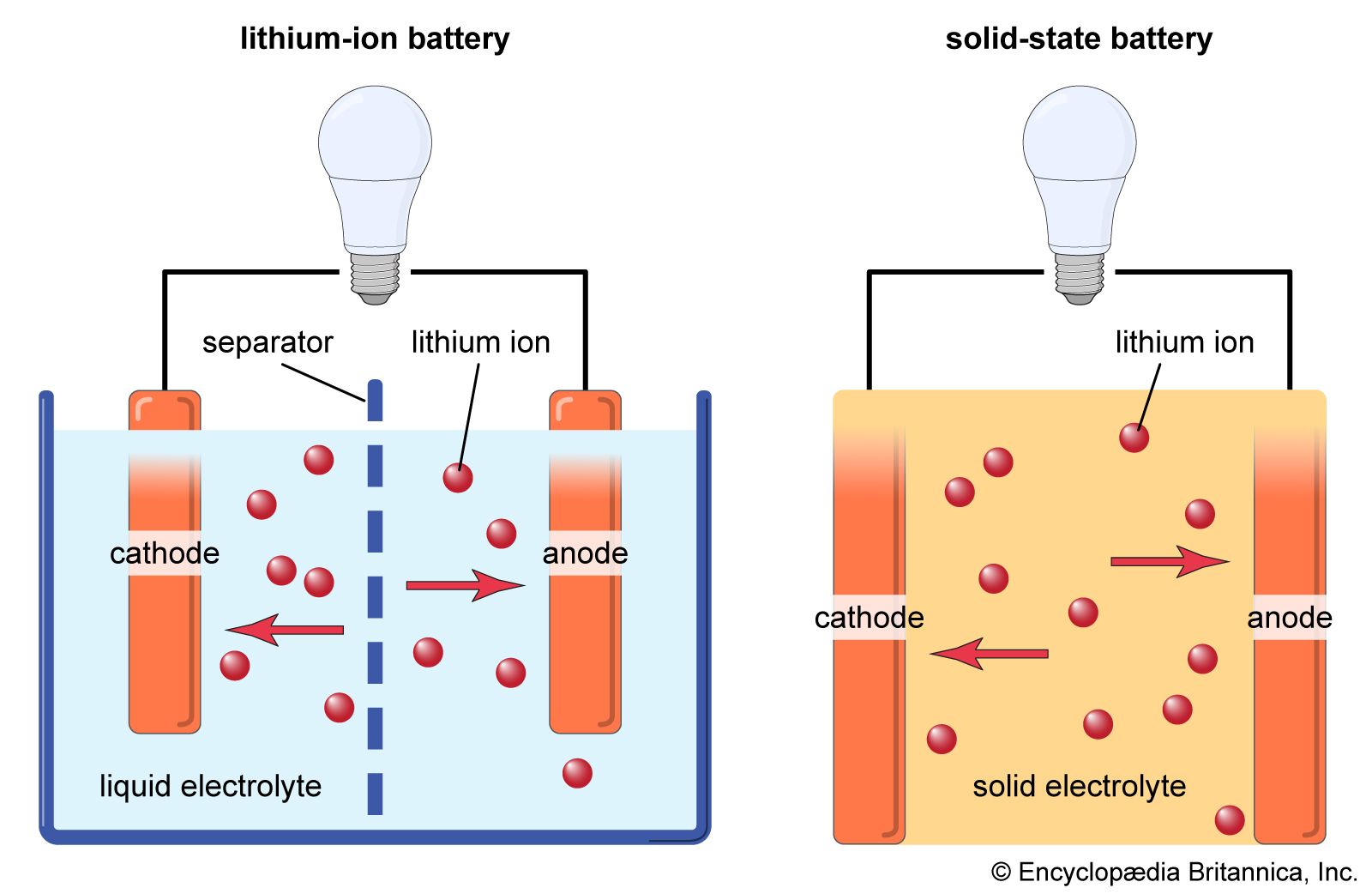
The future of battery technology is focused on improving temperature resilience. Solid-state batteries, which replace the liquid electrolyte with a solid material, promise increased safety and improved performance in extreme temperatures. They are still under development, but they have the potential to be a game-changer.
Advanced lithium-ion chemistries, such as those incorporating silicon anodes, are also being explored. These chemistries offer higher energy density and improved thermal stability. Research is also focused on developing better battery management systems (BMS) that can more effectively control battery temperature and prevent thermal runaway.
While these advancements are promising, it’s important to maintain realistic expectations. Developing batteries that can perform reliably in any climate is a complex challenge. There will likely be trade-offs between performance, cost, and safety. The goal isn’t necessarily to eliminate temperature sensitivity altogether, but to minimize its impact and extend battery lifespan in all conditions.
The ongoing research and development in battery technology are encouraging, and we can expect to see significant improvements in temperature resilience in the years to come. But for now, understanding the limitations of current battery chemistries and implementing proactive maintenance measures remain essential for maximizing battery life and performance.

No comments yet. Be the first to share your thoughts!