

Identify your GEM battery type
Before replacing your GEM car batteries, determine whether your vehicle uses a standard lead-acid system or an upgraded lithium-ion pack. This distinction dictates the charger you need, the mounting hardware required, and the total cost of ownership.
Most older GEM models (Series E1–E6) ship with six 12-volt lead-acid batteries wired in series to create a 72-volt system. These are heavy, require regular water top-offs, and typically last 2–3 years with proper care. Newer or commercial variants often feature lithium-ion packs designed for lower maintenance and longer cycle life.
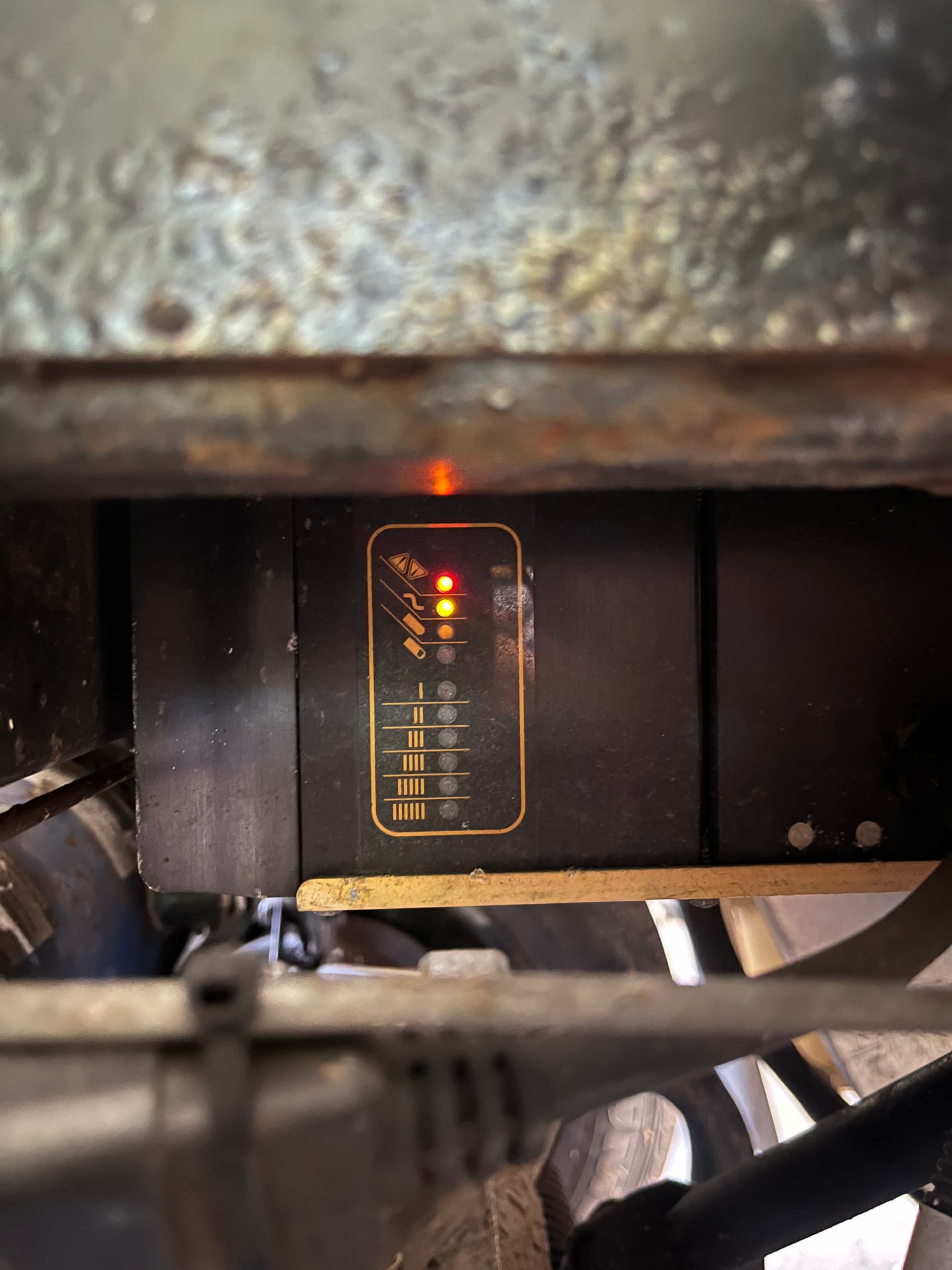
To confirm your type, check the battery label or consult your owner’s manual. Lead-acid batteries are heavier and often have vent caps visible on top. Lithium packs are lighter, sealed, and usually lack venting. If you are upgrading from lead-acid to lithium, ensure your GEM car’s controller is compatible with the higher voltage stability of LiFePO4 cells.
| Feature | Lead-Acid | Lithium-Ion |
|---|---|---|
| Weight (per 12V) | ~65 lbs | ~25-30 lbs |
| Lifespan | 2-3 years | 5-10 years |
| Maintenance | Water top-offs, cleaning | None (sealed) |
| Depth of Discharge | 50% recommended | 80-100% safe |
| Charger Type | Standard 12V/72V | Lithium-specific BMS |
Remove the old battery safely
Before touching any cables, ensure the vehicle is completely powered down. Park on a level surface, set the parking brake, and remove the key from the ignition. This step is critical to prevent accidental short circuits or electrical spikes that can damage the GEM car’s controller while you work.
Disconnect the negative terminal first
Locate the battery compartment, usually under the floor or behind a rear panel. Identify the negative (–) terminal, which is typically black or marked with a minus sign. Loosen the nut on the negative cable clamp using a wrench and remove the cable from the post. Secure the cable away from the battery post so it cannot accidentally spring back and touch the terminal. Disconnecting the negative side first breaks the circuit, eliminating the risk of a spark if your wrench touches any grounded metal while loosening the positive side later.
Disconnect the positive terminal
Next, loosen the nut on the positive (+) terminal, usually red or marked with a plus sign. Remove the cable and tuck it securely away from the battery area. Ensure both cables are insulated or held back so they do not touch each other or the battery terminals during the removal process. This prevents any residual charge from creating a short circuit.
Remove the hold-down bracket
Most GEM cars use a metal bracket or strap to secure the battery in place. Locate the bolts or screws holding this bracket down. Use the appropriate tool to remove them completely. Set the hardware aside in a safe place so you do not lose it. The bracket may be corroded or tight; if it resists, gently wiggle it free rather than forcing it, which could damage the battery casing or tray.
Lift out the old battery
GEM cars typically use heavy, deep-cycle AGM or lead-acid batteries. Grip the battery firmly by its sides—avoid lifting by the terminals or cables. Lift straight up and out of the compartment. Place the battery on a stable, non-conductive surface. If the battery is leaking or damaged, wear gloves and eye protection to avoid contact with acid or electrolytes. Properly dispose of the old battery at a recycling center or auto parts store; do not throw it in the trash.
Install the new GEM battery
With the old battery removed and the tray cleaned, you are ready to install the replacement. Proper installation is critical for the longevity of your GEM car’s power system. Follow this sequence to ensure the new battery sits securely and the electrical connections are safe.

Slide the new GEM battery into the tray. Ensure the terminals align with the cable lengths. The battery should sit flat against the tray bottom without forcing. If the fit is tight, check that no debris remains in the tray.
Attach the positive (+) cable to the positive terminal. Tighten the nut with a wrench until it is snug. Do not over-tighten, as this can strip the threads or crack the terminal post. A secure connection prevents voltage drops during operation.

Connect the negative (-) cable to the negative terminal. Tighten the nut securely. Double-check that no metal tools are touching both terminals simultaneously, which could cause a short circuit. Verify that the cables are routed away from moving parts or sharp edges.
Coat both terminals with a dielectric grease or terminal protectant spray. This prevents corrosion from moisture and road salt, which is the most common cause of premature battery failure in golf carts and GEM cars. Wipe away any excess grease.
Install the hold-down bracket or strap over the battery. Tighten the bolts until the battery cannot shift when shaken. A loose battery can damage internal plates and lead to early failure. Ensure the bracket does not rest directly on the battery case if it is not designed to do so.
Once the installation is complete, turn the key to the "on" position and check the dashboard display. The charge indicator should show a full or near-full charge. If the display flickers or shows an error, re-check your terminal connections for tightness.
Check voltage and connections
Before closing the battery compartment or hitting the road, you need to verify that the new GEM car batteries are installed correctly and charging properly. This final check prevents damage to the controller and ensures your golf cart has full range. Follow this sequence to confirm everything is secure and functioning.
Verify polarity and tight connections
Double-check that the positive and negative terminals are connected correctly. Reversing polarity can instantly fry the cart’s controller, which is an expensive repair. Use a torque wrench to ensure terminal nuts are snug but not stripped. Loose connections cause resistance, leading to voltage drops and premature battery failure.
Measure resting voltage
With the cart turned off and the key removed, use a multimeter to check the voltage across the entire battery pack. A fully charged 36V system (six 6V batteries) should read between 41V and 42V. If the reading is lower, the batteries may not be fully charged or one cell could be faulty. Do not attempt to drive on low voltage, as this can damage the deep-cycle batteries.
Test under load
Start the cart and drive it for a few minutes. The voltage should remain stable or rise slightly as the charger replenishes power. If the voltage drops significantly under load, check for loose cables or corroded terminals. A healthy system maintains steady power delivery without sudden dips.
Confirm charging cycle
Once the drive is complete, connect the charger. The charger should indicate a proper connection and begin the charging cycle. Watch for the first hour to ensure the charger is not displaying an error code. A successful charge confirms that the new batteries are accepting power and the electrical system is ready for regular use.
Extend battery life with maintenance
Proper charging habits and storage practices are the most effective ways to preserve your GEM battery’s capacity. Lead-acid batteries degrade fastest when left in a discharged state or exposed to extreme temperatures. Treating your power system like a living component rather than a static part will significantly extend its operational lifespan.
Charging habits that matter
Avoid deep discharges whenever possible. Allowing batteries to drop below 50% charge regularly accelerates sulfation, a process where lead sulfate crystals harden on the plates, reducing the battery’s ability to hold a charge. If you drive your GEM vehicle regularly, the onboard charger typically keeps the cells balanced. However, if you use the vehicle seasonally, you must intervene.
Use a smart charger with a maintenance or float mode. These chargers monitor voltage and pulse the current to keep the battery at 100% without overcharging. Over time, this prevents the water loss and grid corrosion that shorten battery life. Always disconnect the charger once the cycle completes to avoid heat buildup.
Storage best practices
If you plan to store your GEM vehicle for more than two weeks, proper preparation is critical. First, ensure the batteries are fully charged before parking. A fully charged battery is resistant to freezing and corrosion, whereas a discharged battery can freeze in cold climates, physically cracking the casing.
Store the vehicle in a cool, dry place. Ideal storage temperatures range between 50°F and 70°F (10°C–21°C). Heat accelerates chemical degradation, while cold increases internal resistance. If you cannot control the temperature, check the voltage monthly and top up the charge as needed. For flooded lead-acid variants, check electrolyte levels and add distilled water if plates are exposed, but only after charging.
Monthly maintenance checklist
Consistent, simple checks prevent unexpected failures. Follow this routine every 30 days to keep your power system reliable.
No comments yet. Be the first to share your thoughts!