

Understand your GEM battery type
Before you begin any maintenance routine, you must identify whether your GEM car uses a traditional lead-acid bank or a modern lithium-ion pack. The maintenance requirements for these two systems are fundamentally different, and applying the wrong care routine can significantly shorten your battery’s lifespan or void your warranty.
Most older GEM models, particularly those manufactured before the mid-2010s, rely on deep-cycle lead-acid batteries. These systems typically consist of six 12-volt batteries wired in series to create a 72-volt system, or four 12-volt batteries for 48-volt configurations. Lead-acid batteries require regular watering with distilled water, terminal cleaning to prevent corrosion, and equalization charges to balance cell voltage. They are heavy, sensitive to temperature extremes, and have a shorter overall cycle life compared to newer technologies.
Newer GEM vehicles may be equipped with lithium-ion battery packs. These units are purpose-built for low-speed commercial and government applications, offering higher energy density and faster charging times. Lithium systems are sealed, maintenance-free regarding water levels, and generally last longer than their lead-acid counterparts. However, they require specific charging protocols and cannot be maintained with the same watering or equalization techniques used for lead-acid banks.
To determine which system you have, check your owner’s manual or look at the battery compartment. Lead-acid batteries are usually housed in a large, open tray with visible caps on top of each individual cell. Lithium packs are typically enclosed in a single, sealed metal or plastic casing with no accessible cells. If you are unsure, do not attempt to open the battery compartment; consult a GEM-certified technician to confirm your battery type before proceeding with any maintenance tasks.
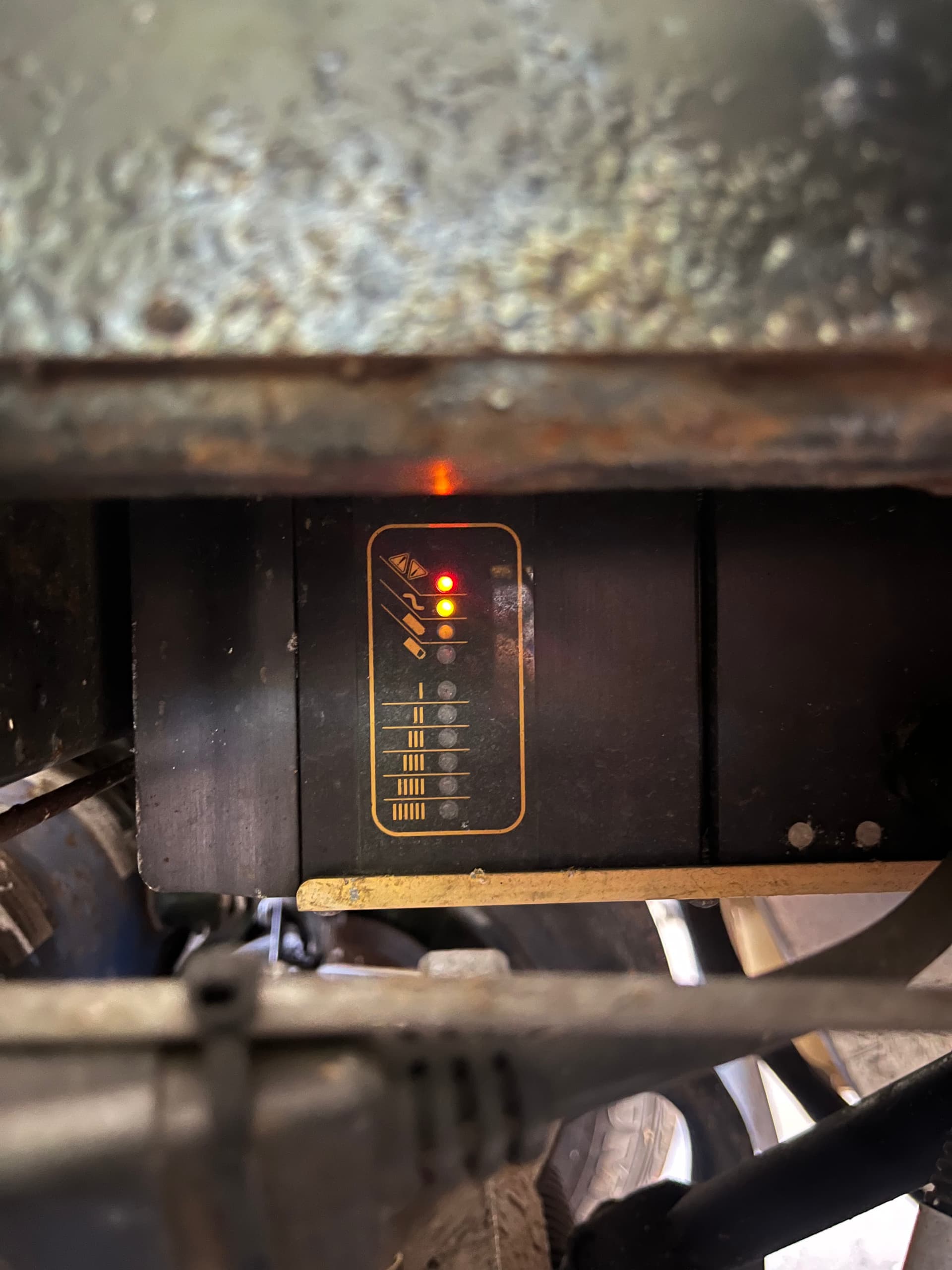
Charge your battery correctly
GEM cars typically run on 48-volt or 72-volt systems, depending on the model year and configuration. These systems rely on deep-cycle batteries—usually flooded lead-acid, AGM, or lithium-ion—that require specific charging habits to maintain capacity. Using the wrong charger or letting the battery sit discharged will permanently reduce its range and lifespan.
Follow this workflow to charge your GEM car safely and effectively.
Before plugging in, confirm the charger matches your GEM’s voltage (48V or 72V) and battery chemistry. GEM officially recommends using only GEM-approved chargers to ensure the charging algorithm aligns with the battery management system. Using a generic or incompatible charger can cause overcharging, overheating, or permanent cell damage.

Plug the charger into a standard 120V household outlet that is properly grounded. Avoid using extension cords if possible, as voltage drop can interfere with the charging cycle. If an extension cord is necessary, use a heavy-duty outdoor-rated cord (12-gauge or thicker) to minimize resistance and heat buildup.
Connect the charger’s clamps or plug to the GEM’s charging port or battery terminals before turning the charger on. For lead-acid batteries, ensure the caps are removed (if applicable) to allow gas to escape. Connecting the charger while it is already powered can cause sparks, which may damage the battery terminals or start a fire in a hydrogen-rich environment.
Let the charger run until it indicates a full charge, usually signaled by a green light or automatic shut-off. Do not leave the battery charging unattended for extended periods, especially with older lead-acid models. Overcharging generates excess heat and water loss, which shortens battery life. If the charger becomes hot to the touch or makes unusual noises, disconnect it immediately.
Once the charge is complete, turn off the charger, then disconnect the clamps or plug from the battery. Finally, unplug the charger from the wall outlet. Store the charger in a dry, cool place to protect its internal components from moisture and temperature extremes.
| Battery Type | Charger Requirement | Key Charging Note |
|---|---|---|
| Flooded Lead-Acid | GEM-approved 48V/72V charger | Remove caps if applicable; avoid overcharging to prevent water loss. |
| AGM | GEM-approved AGM-compatible charger | Sealed design; no venting needed. Sensitive to high voltage. |
| Lithium-Ion | GEM lithium-specific charger | Built-in BMS prevents overcharge. Do not use lead-acid chargers. |
Check terminals and connections
Corrosion and loose connections are the silent killers of GEM car batteries. In 48V and 72V lead-acid systems, even a thin layer of white or blue crust on the terminals adds resistance, draining power and preventing the charger from reaching full capacity. Tight, clean connections ensure your battery receives the voltage it needs to hold a charge for the long haul.
Inspect for Corrosion
Start by visually examining each battery terminal. Look for any white, green, or bluish powdery deposits. This is sulfate corrosion, and it acts as an insulator between the battery post and the cable clamp. If you see it, the connection is compromised, regardless of how tight the bolt feels.
Clean the Terminals
Disconnect the negative cable first, then the positive. Mix a solution of baking soda and water to neutralize the acid residue. Scrub the terminals and cable ends with a wire brush until the metal shines. Rinse with a damp cloth and dry thoroughly. A clean surface is essential for a reliable electrical path.
Tighten and Protect
Reconnect the cables, starting with the positive terminal. Tighten the clamps firmly so they do not wiggle when you try to turn them by hand. Apply a thin layer of dielectric grease or a dedicated terminal protector spray to prevent future corrosion. This simple step extends the life of your GEM battery significantly.
-
Disconnect negative cable first
-
Scrub terminals with wire brush and baking soda solution
-
Reconnect positive cable, then negative
-
Tighten clamps firmly by hand
-
Apply dielectric grease to prevent future corrosion
Avoid common charging mistakes
The lifespan of your GEM car’s 48V or 72V battery bank depends heavily on how you charge it. Unlike gasoline, which you can top off daily without consequence, lead-acid and lithium batteries have specific chemical limits. Ignoring these limits accelerates sulfation in lead-acid cells or triggers safety shutdowns in lithium packs, effectively shortening the battery's usable life.
Use the correct charger
One of the most frequent errors is using a generic automotive charger or a mismatched voltage setting. GEM cars typically require specific charging profiles tailored to their 48V or 72V systems. Using a standard 12V car charger will not work, while using a high-amperage industrial charger can overheat the battery cells, causing permanent damage or thermal runaway in lithium setups.
Always use the charger provided with your GEM or a replacement explicitly rated for your battery type (lead-acid AGM or LiFePO4). If you are upgrading to a lithium battery, ensure your charger supports the lithium charging curve, which often differs from the absorption stages used for lead-acid.
Prevent deep discharging
Letting your GEM battery drop below 20% capacity regularly is a major cause of premature failure, especially for lead-acid banks. Deep discharging causes sulfation, where lead sulfate crystals harden on the plates, reducing the battery's ability to hold a charge. For lithium batteries, while they tolerate deep cycles better, consistently draining to 0% can trigger the Battery Management System (BMS) to cut power entirely, leaving you stranded.
Make it a habit to recharge your GEM after every use, even if you only drove a short distance. This keeps the chemical activity balanced and prevents the battery from sitting in a discharged state, which can lead to self-discharge issues during storage.
Avoid overcharging
Leaving your GEM plugged in for days after it has reached full charge is another common mistake. While modern chargers have automatic shut-off features, cheap or damaged chargers may continue to push current into the battery. Overcharging leads to excessive heat and gas buildup in lead-acid batteries, drying out the electrolyte and warping plates. In lithium batteries, overcharging can cause cell imbalance and potential fire hazards.
Unplug your charger once it indicates a full charge. If you notice the charger getting unusually hot or the battery swelling, disconnect immediately and inspect the equipment. Regularly checking your charger’s indicator lights ensures you aren’t leaving the unit connected unnecessarily.
Verify battery health regularly
Checking your GEM car’s voltage is the fastest way to spot a weak cell before it leaves you stranded. Whether you drive a 48V or 72V model, a simple multimeter test tells you if the battery bank is holding a charge or if one of the lead-acid blocks is failing.
Park the GEM on level ground and turn the ignition off. Remove the key to ensure no accessories draw power while you test. Let the battery rest for at least an hour if it was recently driven to get a stable resting voltage reading.
Turn your multimeter to DC voltage (20V or 200V range). Connect the red probe to the positive terminal and the black probe to the negative terminal of the battery pack. For a 48V system, you should see roughly 52–54V when fully charged. For a 72V system, look for 78–80V.
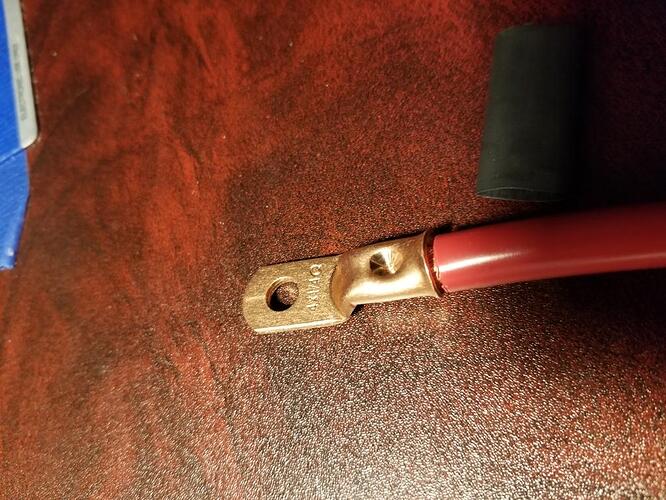
If the total voltage is low, test each 12V block individually. A healthy cell reads between 12.6V and 12.8V. If one cell reads significantly lower (below 12.0V) than the others, it is likely sulfated or failing. Replace the weak cell to restore balance to the entire bank.
No comments yet. Be the first to share your thoughts!