

Choose the right battery type
Extend Battery Gem Life in Low-Speed EVs works best as a clear sequence: define the constraint, compare the realistic options, test the tradeoff, and choose the path with the fewest hidden costs. That order keeps the advice usable instead of decorative. After each step, pause long enough to check whether the recommendation still fits the reader's actual situation. If it depends on perfect timing, unusual access, or a best-case budget, include a simpler fallback.
| Factor | What to check | Why it matters |
|---|---|---|
| Fit | Match the option to the primary use case. | A good deal still fails if it does not fit the job. |
| Condition | Verify age, wear, and service history. | Hidden condition issues erase upfront savings. |
| Cost | Compare purchase price with likely upkeep. | The cheapest option is not always the lowest-cost option. |
Install the lithium upgrade correctly
Replacing the lead-acid batteries in your GEM car with a lithium upgrade is the most effective way to extend battery life and improve performance. A standard 72-volt GEM uses six 12-volt batteries wired in series. When upgrading, you replace these with six 12-volt 100 Ah LiFePO4 batteries, maintaining the same series connection as the original lead-acid setup.
This process requires careful attention to safety and wiring integrity. Incorrect connections can damage the battery management system (BMS) or the vehicle's controller. Follow these steps to ensure a safe and reliable installation.
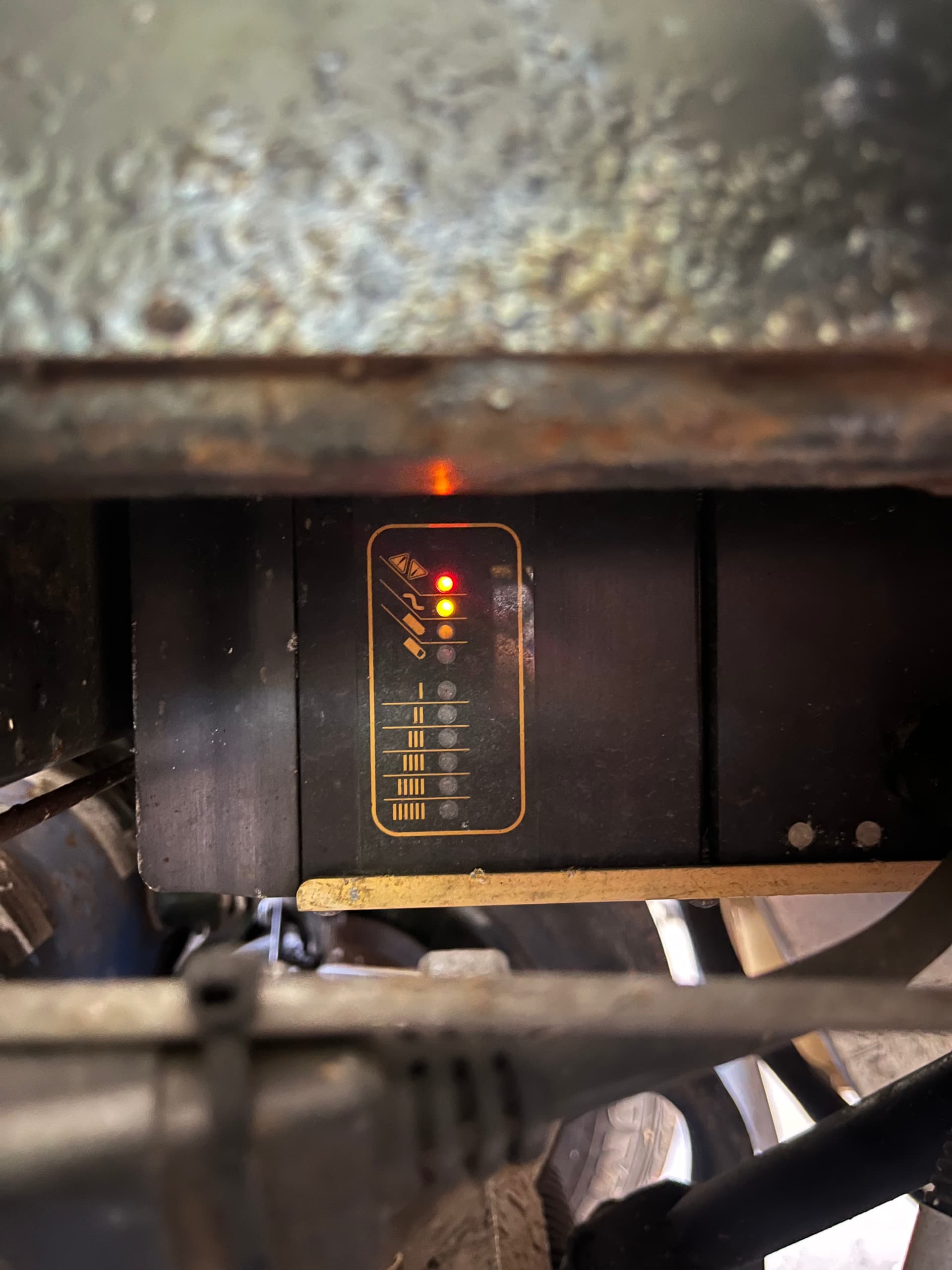
Start by turning off the GEM and removing the key. Locate the battery compartment, usually under the seat or in the rear cargo area. Disconnect the negative (-) cable first to break the circuit and prevent accidental shorting. Then disconnect the positive (+) cable. Remove any hold-down clamps or brackets securing the old lead-acid batteries.

Lead-acid batteries are heavy and cumbersome. Lift them out carefully, ensuring you do not damage the battery tray or nearby wiring harnesses. Inspect the tray for corrosion or debris. Clean the tray with a baking soda and water solution if necessary to ensure a good connection for the new lithium batteries.

Install the six 12-volt 100 Ah LiFePO4 batteries in the same order as the originals. Ensure the positive terminal of one battery connects to the negative terminal of the next, creating the 72-volt series chain. Lithium batteries are lighter, so verify that the hold-down clamps still secure them tightly to prevent vibration damage during driving.

Reconnect the positive (+) cable to the first battery, then proceed through the series chain, connecting negative to positive for each subsequent battery. Finally, connect the main negative (-) cable to the last battery in the chain. Tighten all terminals securely. Loose connections cause resistance, heat, and premature failure.
Before closing the compartment, use a multimeter to check the total voltage across the main positive and negative leads. It should read approximately 72-74 volts. Turn the key to the "on" position and check that the dashboard displays power. Test the vehicle at low speed to ensure smooth acceleration and no error codes.
Installing the lithium upgrade correctly transforms your GEM car's longevity. The proper wiring and voltage verification ensure that the investment pays off in years of reliable, low-maintenance service.
Avoid common charging mistakes
Battery degradation in low-speed EVs rarely happens overnight. It usually stems from small, repeated errors during the charging cycle. For GEM vehicles, especially those converted to lithium, the margin for error is smaller than with traditional lead-acid systems. Understanding these pitfalls is the first step toward extending your battery’s operational life.
Using the wrong charger
The most damaging mistake is plugging a standard lead-acid charger into a lithium battery. Lead-acid chargers use different voltage profiles and charging stages that lithium chemistry cannot handle. This mismatch can cause overheating, permanent cell damage, or even fire hazards. Always use a charger specifically designed for lithium-ion batteries, such as those recommended by GEM for their proprietary solutions.
Deep discharging
Letting your battery drop below 20% capacity regularly stresses the cells. While lithium batteries are more resilient than lead-acid, deep cycles still reduce overall lifespan. Try to top off your battery after each use rather than waiting until the vehicle is completely drained. This habit keeps the chemical balance stable and prevents the voltage from dipping into dangerous zones.
Leaving the battery plugged in
While modern lithium systems have built-in battery management systems (BMS) to prevent overcharging, leaving the charger connected for days on end is still risky. It can lead to heat buildup and slow degradation. Disconnect the charger once the cycle is complete. If you won’t be using the vehicle for an extended period, store the battery at a partial charge (around 50-60%) in a cool, dry place.
Check battery health regularly
Keeping your GEM’s battery pack in shape is the single most effective way to extend its life. Whether you are running traditional lead-acid cells or have converted to lithium, voltage readings tell you the true state of the system. A healthy pack should hold its charge under load and recover quickly when the key is turned off. Regular checks catch small issues before they become expensive replacements.
Start with a visual inspection of the battery compartment. Look for corrosion on terminals, cracked casings, or loose connections. Corrosion acts like a slow leak, draining power even when the vehicle is parked. If you see white or blue crust on the terminals, clean them with a baking soda solution and tighten the clamps firmly. This simple step prevents voltage drops that can confuse your dashboard sensors.
Next, use a multimeter to check the voltage of individual cells or the total pack voltage. For a 48V lead-acid GEM, a fully charged pack should read around 52-53 volts. If one cell reads significantly lower than the others, it is likely failing. For lithium conversions, the Battery Management System (BMS) usually handles cell balancing, but you should still monitor the total voltage to ensure the pack is charging and discharging evenly.
Make this a monthly habit. A quick 10-minute check can save you from being stranded with a dead pack. Consistent monitoring helps you understand your driving patterns and how they affect battery longevity. If you notice a sudden drop in range, investigate the battery health before assuming it is a motor or controller issue.
Frequently asked: what to check next
Here are answers to common questions about maintaining and extending the life of GEM battery systems.
No comments yet. Be the first to share your thoughts!