

Why charging habits matter
Your GEM car’s battery pack is the most expensive component in the vehicle, and its lifespan depends heavily on how you treat it daily. Unlike lead-acid batteries that can handle abuse, the lithium-ion batteries in modern GEM models are sensitive to incomplete cycles. A common mistake is unplugging the charger as soon as the indicator light turns green or the battery feels "full" to the touch. This practice, known as short charging, prevents the cells from reaching their optimal state of charge and balancing.
Think of your battery like a sponge. If you only soak it halfway every time, it never fully expands to its capacity, and over time, the fibers degrade unevenly. Similarly, partial charges cause uneven wear across the individual cells in the pack. To extend battery gem life, you need to let the system complete its full charging routine. This ensures all cells are balanced and reduces the risk of premature failure.
The GEM e2, e4, e6, eS, and eL models use different battery configurations, but the principle remains the same: consistency is key. Whether you are using the standard 72-volt system or a maintenance-free gel setup, treating every charge as a complete event will pay off in longevity. Avoid the temptation to top off the battery frequently with brief charges; instead, plug in when the battery is low and let it finish.
Charge your GEM car correctly
Charging your GEM car correctly is the single most effective way to protect your investment. Whether you own an older model with lead-acid batteries or a newer e6/eS with lithium packs, the charging process dictates how many miles you get per year. A proper charge cycle restores capacity, balances cell voltage, and prevents premature degradation.
Most owners make the mistake of treating low-speed EVs like smartphones—plugging them in whenever convenient. This shallow cycling strategy kills battery life faster than anything else. To extend battery gem life, you must treat the battery as a complete energy system that needs regular, full restoration.
1. Prepare the vehicle and environment
Park your GEM car on a level surface and ensure the ignition is completely off. Remove the key from the slot to prevent any accidental electrical draw. If your model has a removable battery pack, ensure the terminals are clean and free of corrosion. For models with built-in battery compartments, check that the ventilation area is clear of debris.
Do not charge the vehicle in extreme cold or heat if avoidable. While GEM cars are designed for daily use, extreme temperatures can slow charging speeds and stress the battery chemistry. Ideally, charge in a garage or shaded area where the ambient temperature is between 50°F and 80°F (10°C–27°C).
2. Connect the charger to the vehicle first
Always plug the charger connector into the vehicle’s charging port before connecting the charger to the wall outlet. This sequence prevents arcing at the wall outlet, which can damage the socket over time. Ensure the connector clicks securely into place. If your GEM car uses a 72-volt system, verify that the connector matches the port shape; older 48-volt chargers will not fit newer 72-volt ports, and forcing them can break the pins.
3. Plug the charger into the wall outlet
Once the vehicle side is secure, plug the charger into a dedicated 120-volt household outlet. Avoid using extension cords whenever possible. Extension cords can cause voltage drop, leading to slower charging and overheating. If you must use an extension cord, ensure it is a heavy-duty 12-gauge cord rated for outdoor use and kept as short as possible.
4. Monitor the indicator lights
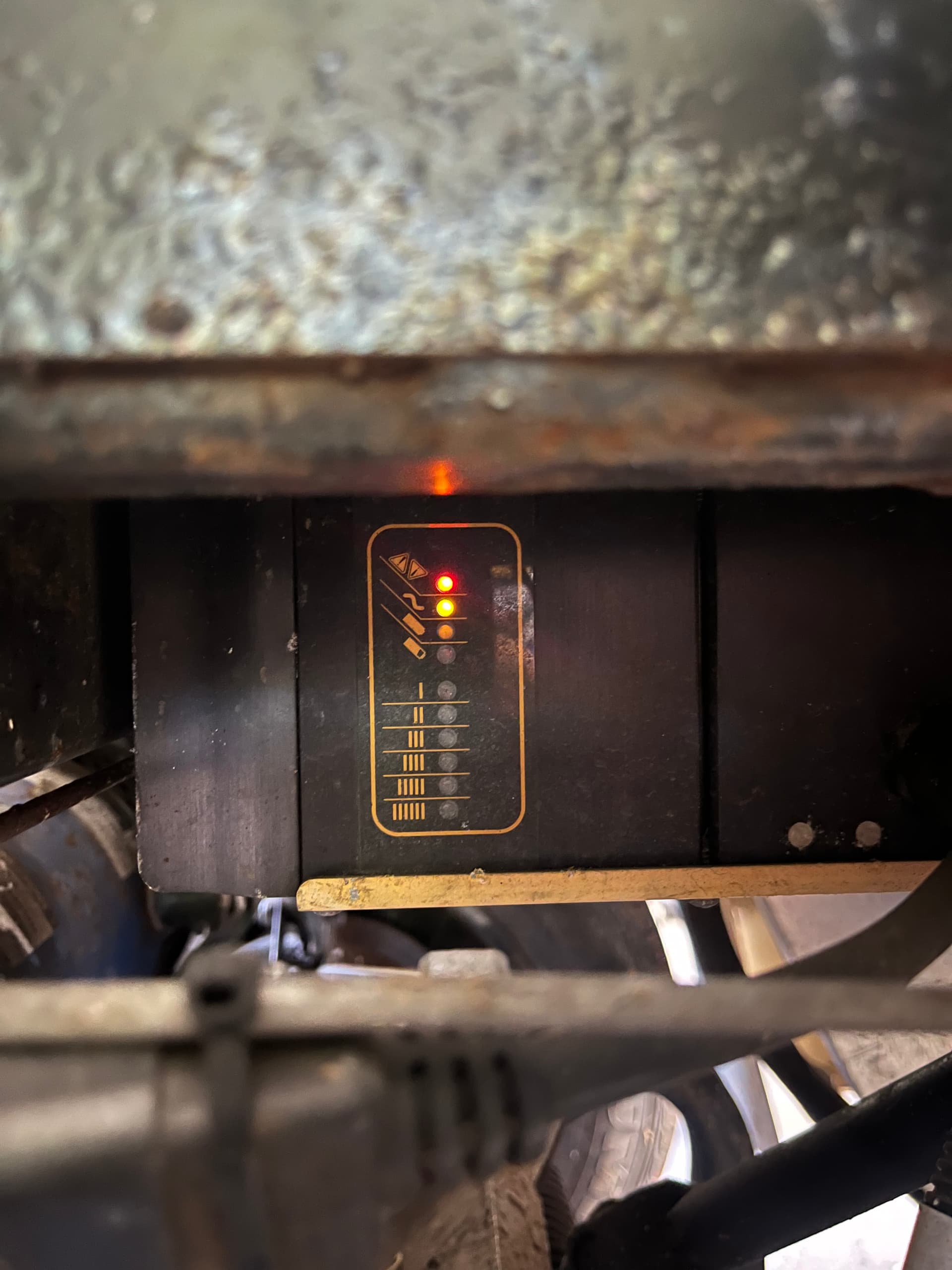
Most GEM chargers use LED indicators to show status. A red light typically means charging is in progress. A green light usually indicates the battery is fully charged or the charger is in standby mode. Some advanced lithium chargers may display a pulsing light to indicate balance charging. Do not ignore these lights; they are your primary feedback loop for battery health.
If the charger shows an error code or flashes rapidly, disconnect it immediately. This often indicates a loose connection, a faulty battery cell, or a charger malfunction. Continuing to charge an error-state battery can lead to safety hazards.
5. Disconnect in the correct order
When the charger indicates a full charge (green light), unplug the charger from the wall outlet first. Then, disconnect the connector from the vehicle. This order ensures no electrical load is present on the vehicle port during disconnection. Wipe the connector with a dry cloth if it appears damp or dirty before storing it.
Standard vs. Fast Charging
Understanding the difference between standard and fast charging is critical for GEM owners. Standard 120-volt charging is slow but gentle. It allows the battery cells to equalize voltage naturally, which is essential for lead-acid and gel batteries. This method is recommended for daily use and overnight charging.
Fast charging, typically 240-volt, delivers power much quicker. While convenient, frequent fast charging generates more heat and stresses the battery internals. For lead-acid batteries, fast charging can cause gassing and water loss. For lithium packs, it may trigger thermal management systems that limit capacity. Use fast charging only when necessary for long trips, not for daily routine topping up.
The Importance of Full Charge Cycles
Shallow charging—plugging in for 30 minutes to add a little range—does not fully balance the battery. Over time, this leads to "cell drift," where some cells are fuller than others, reducing the total usable capacity. To counter this, perform a full charge cycle at least once every two weeks. Let the battery drain to about 20-30% before plugging in, and leave it connected until the charger fully completes its cycle, including the final trickle or balance phase.
This practice ensures that all cells in your 72-volt system are brought to the same state of charge, maximizing range and longevity. If you have a lithium battery, refer to the manufacturer’s specific guidelines, as some lithium chemistries prefer staying between 20% and 80% for daily use, but still benefit from occasional full charges for calibration.
Park on a level surface, turn off ignition, and remove the key. Check for terminal corrosion or debris in the charging port.

Plug the charger connector firmly into the GEM car’s charging port. Ensure it clicks into place.
Connect the charger to a dedicated 120V outlet. Avoid extension cords to prevent voltage drop.
Watch for red (charging) and green (full) lights. Disconnect immediately if error codes appear.
Unplug from the wall first, then the vehicle. Wipe connectors dry before storage.
Choosing the right charger type
Your charging setup dictates how quickly you can get back on the road and how long your battery lasts. Most GEM vehicles use a 72-volt system, which requires specific charger compatibility. Using the wrong charger can damage the battery or void your warranty.
Standard chargers are designed for overnight top-ups. They provide a slow, steady current that is gentle on the battery cells. This is the best option for daily commuting or neighborhood errands where you have ample time to plug in.
Fast chargers reduce downtime significantly. However, frequent use of high-current charging can accelerate battery degradation over time. Use fast charging only when you need a quick boost between tasks or have a tight schedule.
Compare the two options below to see which fits your routine.
| Feature | Standard Charger | Fast Charger |
|---|---|---|
| Charge Time | 8-12 hours | 2-4 hours |
| Battery Health Impact | Minimal wear | Higher heat, faster degradation |
| Ideal Use Case | Overnight, daily top-ups | Emergency boosts, tight schedules |
| Cost | Lower upfront cost | Higher upfront cost |
| Complexity | Plug and play | May require specific infrastructure |
Common charging mistakes to avoid
Extending the life of your GEM battery gem requires more than just plugging in; it demands a disciplined approach to how and when you charge. The most damaging habit is "short charging," where the charger is disconnected before the cycle completes. This practice prevents the battery cells from reaching full equilibrium, leading to sulfation in lead-acid models or cell imbalance in lithium setups, which drastically reduces overall capacity over time.
Another frequent error is allowing the battery to fully deplete before recharging. While deep-cycle batteries are designed to handle discharge, consistently draining them to zero stresses the internal chemistry. For lead-acid variants, this can cause permanent plate damage, while lithium batteries often trigger protective cutoffs that leave the pack in a vulnerable state. Aim to recharge when the gauge drops to 20-30% rather than waiting for the car to stall.
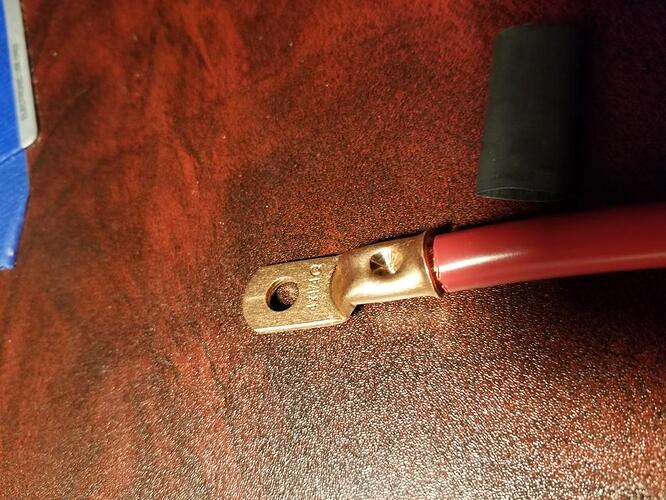
Proper maintenance also involves ensuring secure connections. Loose or corroded terminals increase resistance, causing the battery to work harder and generate excess heat during charging cycles. Regularly inspecting cable integrity and cleaning terminal posts can prevent these hidden energy losses.
Regular maintenance checks
Extend Battery Gem Life works best as a clear sequence: define the constraint, compare the realistic options, test the tradeoff, and choose the path with the fewest hidden costs. That order keeps the advice usable instead of decorative. After each step, pause long enough to check whether the recommendation still fits the reader's actual situation. If it depends on perfect timing, unusual access, or a best-case budget, include a simpler fallback.
Frequently asked questions about GEM batteries
How many volts is a GEM car?
Most GEM models, including the e2, e4, and e6, run on a 72-volt system. This is typically achieved using six 12-volt batteries. However, the e6 "S" Package and eL XD use nine 8-volt gel batteries to reach the same 72-volt output. For specific charging protocols, check GEM's official battery guide.
How long does it take to charge a GEM battery?
A full charge usually takes 8 to 12 hours using a standard 120V outlet. If you upgrade to a faster 240V charger, you can cut that time significantly. Always let the battery cool down before plugging in to extend its lifespan.
Can I use a regular car charger on a GEM?
No. GEM batteries require a specific controller and charging algorithm. Using a standard 12V car charger can damage the battery cells or cause a fire. Always use the charger provided by GEM or a certified replacement.
What is the lifespan of a GEM battery?
GEM offers a limited warranty of 3 years or 30,000 miles. With proper maintenance and regular charging, lithium-ion packs often last longer than the warranty period, while lead-acid or gel batteries may need replacement sooner.
No comments yet. Be the first to share your thoughts!