

Kickstart Your Journey: Unveiling the Power Behind Electric Scooters 🛴
Imagine the thrill of zipping through city streets on your electric scooter, the wind in your hair, and the world whizzing by. But what's the secret sauce that gives your scooter its zip? The answer lies in its battery. The heart and soul of your e-scooter, the battery is the unsung hero that powers your urban adventures. But not all batteries are created equal. Choosing the right electric scooter battery can be a game-changer, affecting everything from your scooter's speed and range to its lifespan. So, are you ready to delve into the electrifying world of scooter batteries? We're about to embark on a journey, exploring the pros and cons of different battery types - from the humble Lead Acid to the mighty Lithium-Ion - and helping you make an informed choice. Buckle up, because it's going to be a thrilling ride!
The Heart of Your E-Scooter: Unraveling Battery Mysteries 🔋
Lead Acid Batteries: The Old Reliable of E-Scooter Power Sources
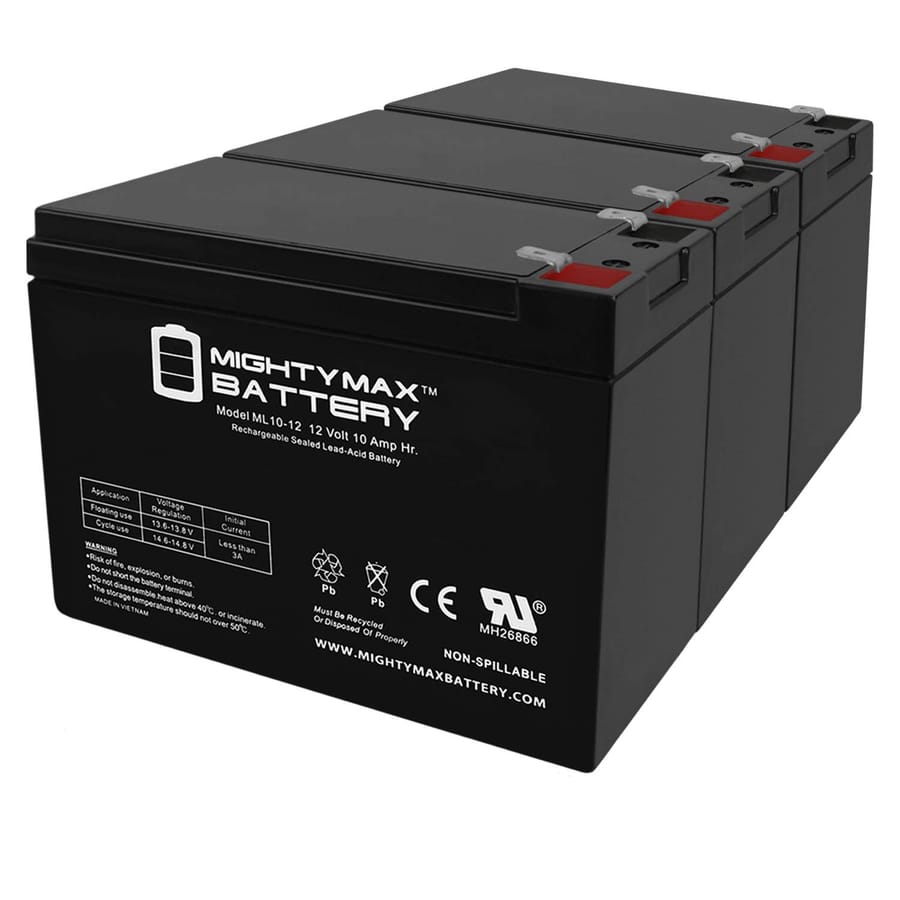
Lead acid batteries are the grizzled veterans of the electric scooter power scene. Their longevity in the market is testament to their reliability and robustness. They're like the diesel truck batteries of the e-scooter world - not the flashiest, but built to last. But what's the catch?
Well, they're weighty beasts, which can hamper your scooter's speed and agility. Plus, their energy density - how much power they can store relative to their size - isn't as impressive as newer battery types. And while their upfront cost is appealing, they require rigorous battery maintenance to keep them in top shape. So, are lead acid batteries the right choice for your electric scooter, or should you explore other options? Let's delve deeper.
Nickel-Metal Hydride (NiMH) Batteries: The Green Powerhouse 🌱
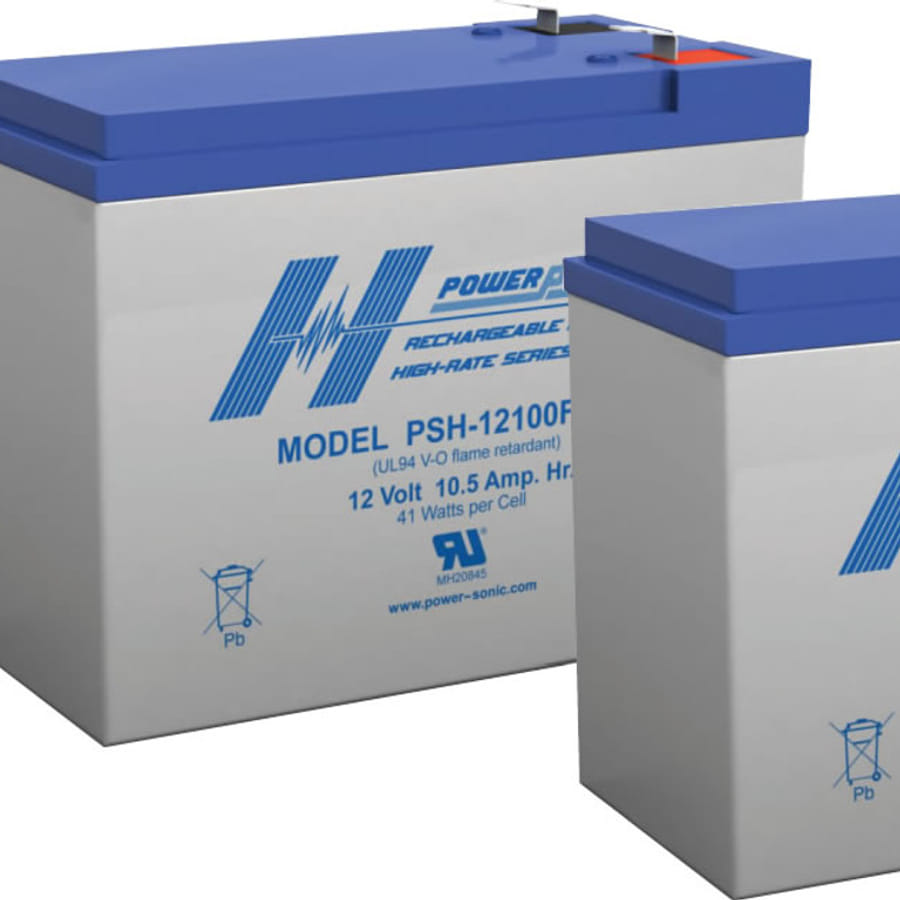
Stepping into the limelight, let's delve into the world of Nickel-Metal Hydride (NiMH) batteries. These green powerhouses are a popular choice for many e-scooter enthusiasts. Why? Well, they're known for their impressive energy density and long cycle life. However, no rose is without its thorns. NiMH batteries are notorious for their "memory effect" - a phenomenon where repeated partial discharge can lead to a permanent decrease in capacity. They're also not as readily available as their lithium-ion counterparts.
But don't let these drawbacks deter you. With proper battery maintenance, you can significantly reduce the impact of the memory effect. And if you're an eco-warrior at heart, you'll be pleased to know that NiMH batteries are less harmful to the environment than lead-acid batteries. So, are NiMH batteries the right choice for your electric scooter? That's a question only you can answer.
Lithium-Ion Batteries: The Lightweight Champion of E-Scooter Energy 🏆
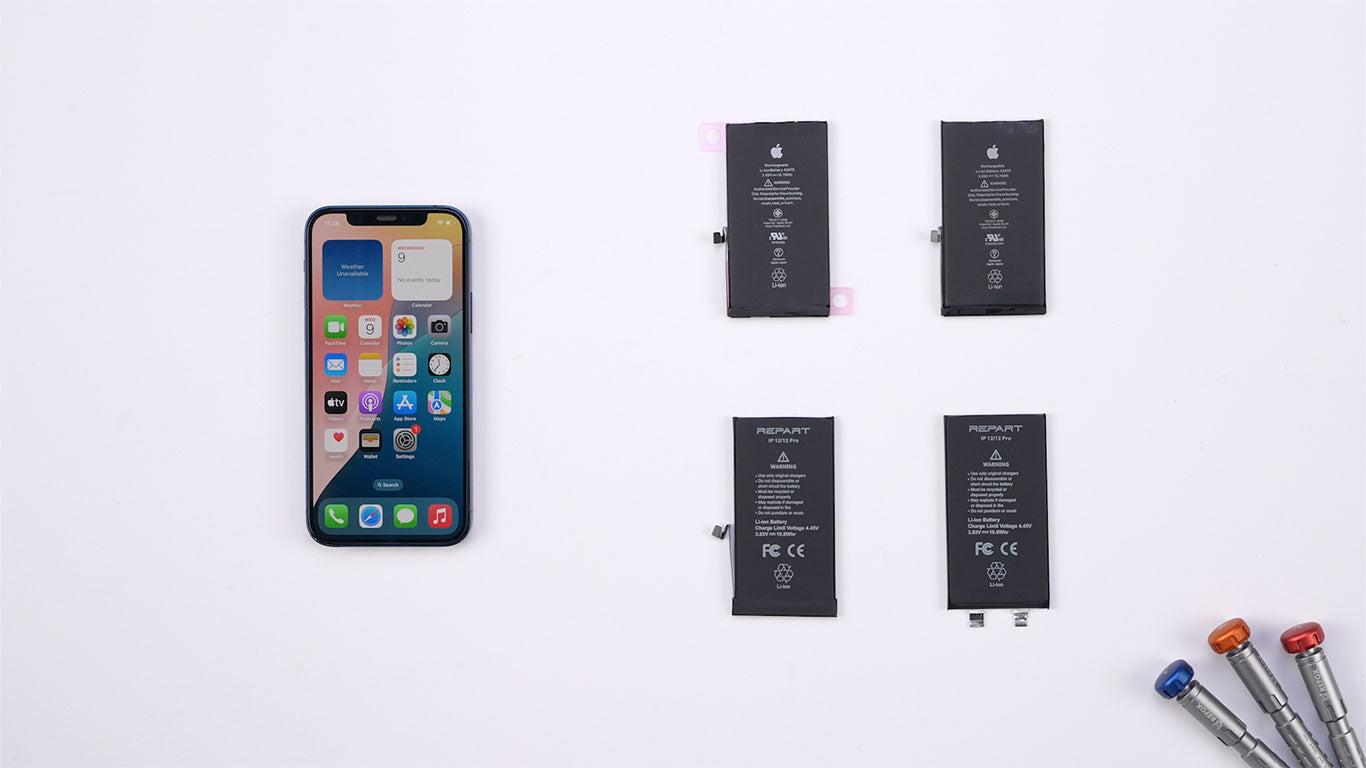
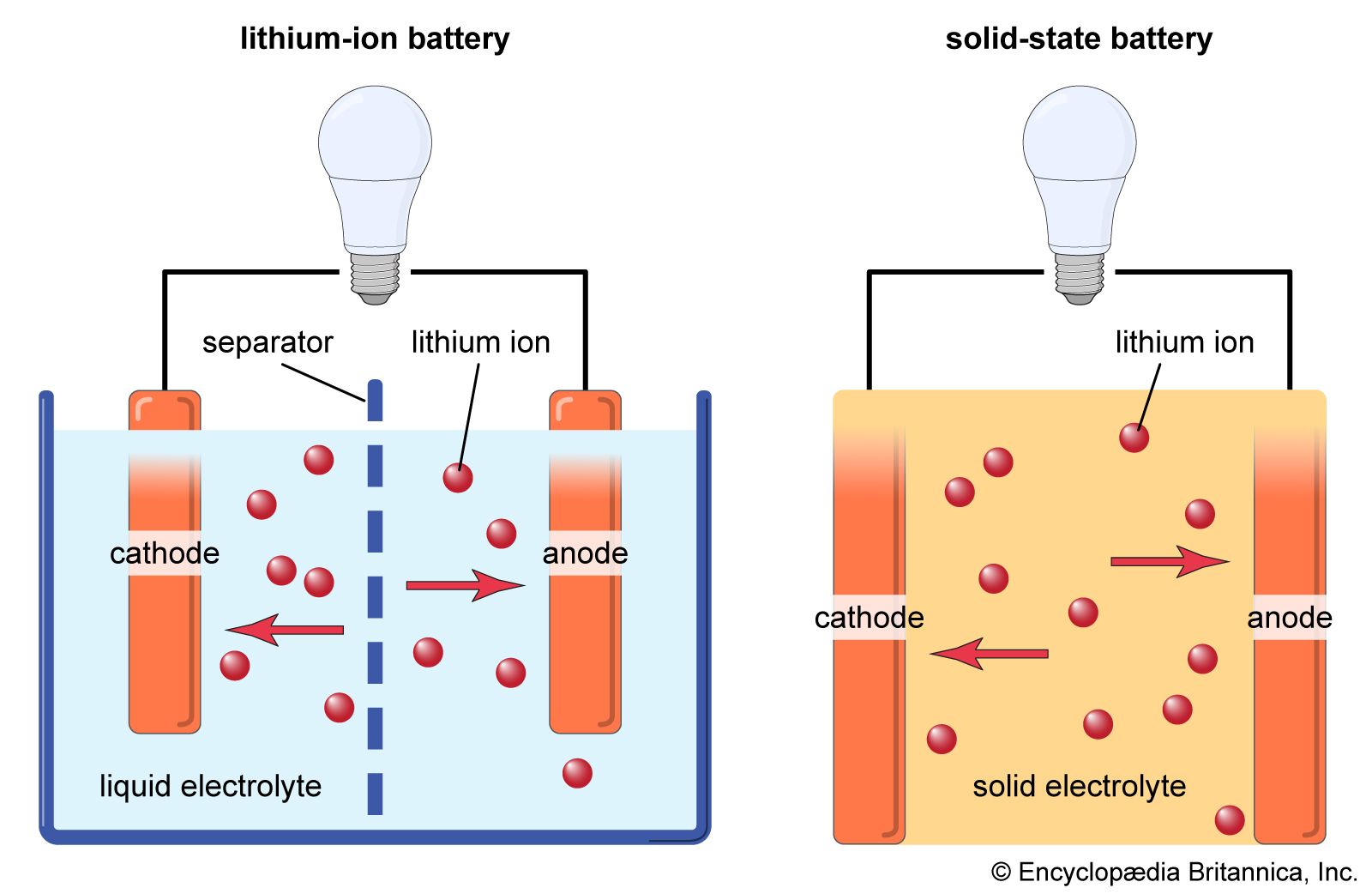
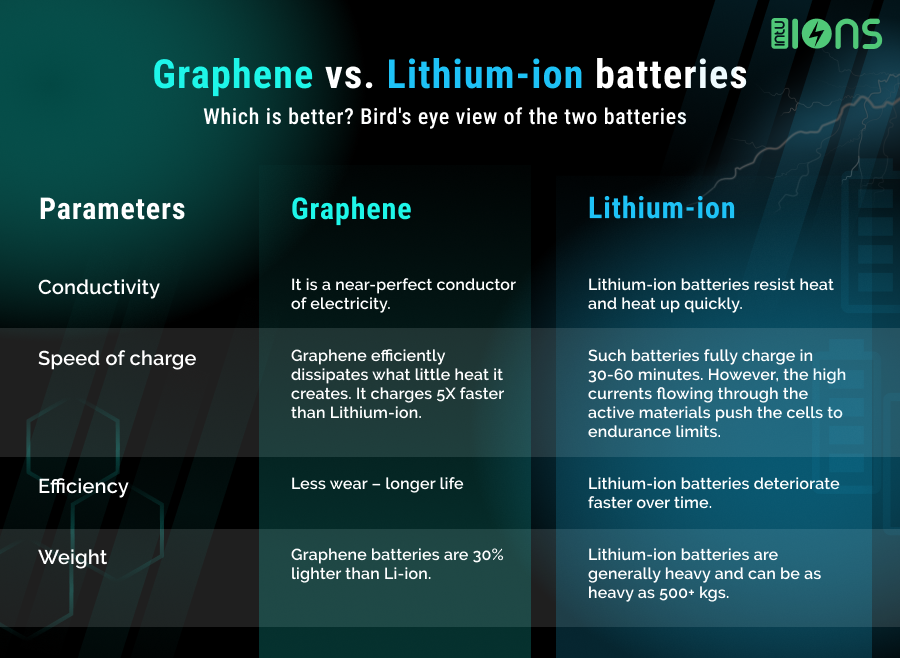
Let's delve into the world of lithium-ion batteries, the reigning champions of the electric scooter battery arena. These powerhouses are loved for their high energy density, meaning they can store a lot of energy without taking up much space. This makes them the perfect fit for sleek, slimline electric scooters that need to stay lightweight and nimble. Plus, they have a low self-discharge rate, so your scooter won't lose power while it's parked up.
But every hero has a kryptonite, and for lithium-ion batteries, it's their relatively short lifespan. Unlike the long-lasting diesel truck batteries we've discussed before, lithium-ion batteries can start to degrade after 2-3 years, regardless of how carefully you maintain them. They also require special chargers to prevent overcharging, which can lead to reduced battery life or even safety risks.
So, is a lithium-ion battery the right choice for your e-scooter? Let's weigh up the options...

The Battery Battle: Comparing Lead Acid, NiMH, and Lithium-Ion Head-to-Head 🥊
Comparison of Lead Acid, NiMH, and Lithium-Ion Batteries
Now that we've discussed the different types of batteries, let's take a closer look at how they stack up against each other in terms of cost, durability, performance, and environmental impact.
| Battery Type | Cost | Durability | Performance | Environmental Impact |
|---|---|---|---|---|
| Lead Acid | 💲 Low | ⏳ Medium | 🚀 Low | 🌍 High |
| NiMH | 💲 Medium | ⏳ High | 🚀 Medium | 🌍 Medium |
| Lithium-Ion | 💲 High | ⏳ High | 🚀 High | 🌍 Low |
As you can see, each battery type has its own strengths and weaknesses. In the next section, we will discuss how to make the right choice based on these factors and your specific needs.
Choosing Your E-Scooter's Heart: Which Battery Type is Your Perfect Match? 💖
So, you're on the hunt for the perfect power source for your electric scooter, huh? Well, you've come to the right place. Just as choosing the right Tesla model can be a game-changer, picking the right battery for your e-scooter can make all the difference in your ride. But with so many options out there, how do you know which one is the best fit for you?
Don't fret, we're here to help. We'll dive into the world of electric scooter batteries, exploring the pros and cons of different types, from the old-school lead-acid to the high-tech lithium-ion. We'll also examine factors like cost, performance, durability, and environmental impact, to help you make an informed decision. Ready to get started?
Just remember, choosing the right electric scooter battery is like checking the health of your car's battery. It's an essential step for ensuring a smooth, enjoyable ride.
Find Your Ideal Electric Scooter Battery
Answer the following questions to determine which type of electric scooter battery is the best fit for your needs.
Learn more about Find Your Ideal Electric Scooter Battery 🛵 or discover other Battery Gem quizzes.
Love Your Battery, Love Your Ride: Care and Maintenance Tips for E-Scooter Batteries 💕
Just like the heart in our bodies, batteries are the lifeblood of electric scooters. And as with our hearts, the healthier they are, the better our scooters perform. But how do we keep these power cells ticking at their best? One word: Maintenance.
Regardless of whether you're rolling with a lead-acid, NiMH, or lithium-ion battery, proper care can significantly extend its life. It's not rocket science; it's about understanding your battery and treating it right.
So, do you want to know how to keep your scooter's battery in its prime? Are you ready to learn the secrets of long-lasting electric scooter batteries? Then buckle up, dear reader, because we're about to embark on a journey into the heart of your e-scooter. Let's ride!
Now that you're familiar with the tips and strategies for extending the life of electric scooter batteries, let's put it into a handy checklist. This will help you remember and apply these practices consistently.
By following this checklist, you can ensure that your electric scooter battery remains in top condition for as long as possible. Remember, a well-maintained battery not only extends the life of your scooter but also ensures optimal performance. Now, let's wrap up our discussion on electric scooter batteries.
Powering Off: Wrapping Up Your E-Scooter Battery Journey 🚀
As we cruise to the end of our e-scooter battery discussion, remember, the energy you ride on matters just as much as the wheels you move on. Opting for the right battery can ignite your electric scooter's performance, longevity, and overall zip-a-dee-doo-dah factor. Whether you're a Road Warrior seeking long-lasting electric scooter batteries or a city slicker needing a quick energy boost, the perfect battery awaits your discovery.
Revisit our step-by-step guide to battery replacement whenever you need a refresher. And, don't forget to keep our battery maintenance tips for electric scooters at your fingertips. After all, isn’t it about keeping the good times rolling longer?
And remember, this isn't a full stop, but a semicolon; our journey with batteries is a never-ending ride. So, are you ready for the next battery adventure?
Before we wrap up, let's address some common questions you might have about electric scooter batteries.
Remember, understanding your battery is key to maximizing the performance and lifespan of your electric scooter. Happy riding!
No comments yet. Be the first to share your thoughts!