


Kickstart Your Adventure: Choosing the Perfect RV Battery
Picture this: you're nestled in the heart of nature, your RV parked amidst the serenity of the great outdoors. Suddenly, your RV's power fails. The culprit? An ill-chosen battery. Picking the best RV battery is not just about keeping the lights on; it's about ensuring a smooth, uninterrupted journey. But with a myriad of options on the market, how do you choose? Factors like power, lifespan, and maintenance come into play. Do you go for the best 200ah lithium battery for RV, or perhaps an AGM battery for camping? Let's embark on a journey to find the perfect battery for your RV, one that will keep your adventures well-lit and worry-free. Ready to power up your RV travels? Let's get started!
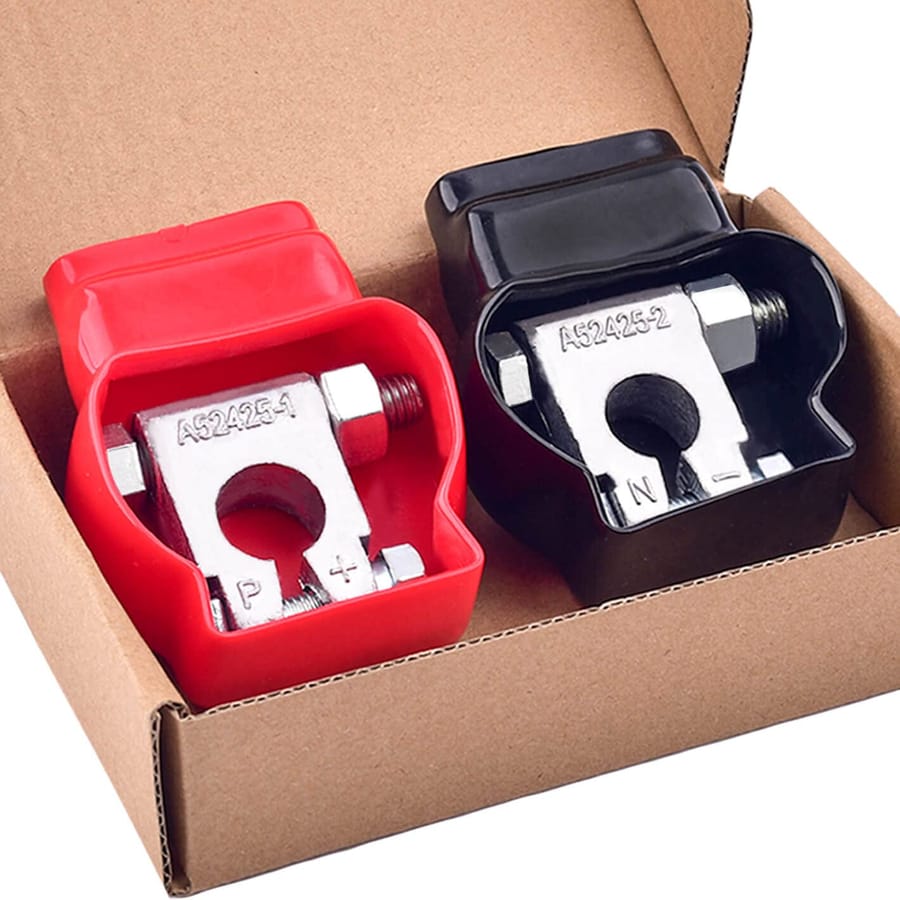
Unmasking the Powerhouses: Different Types of RV Batteries
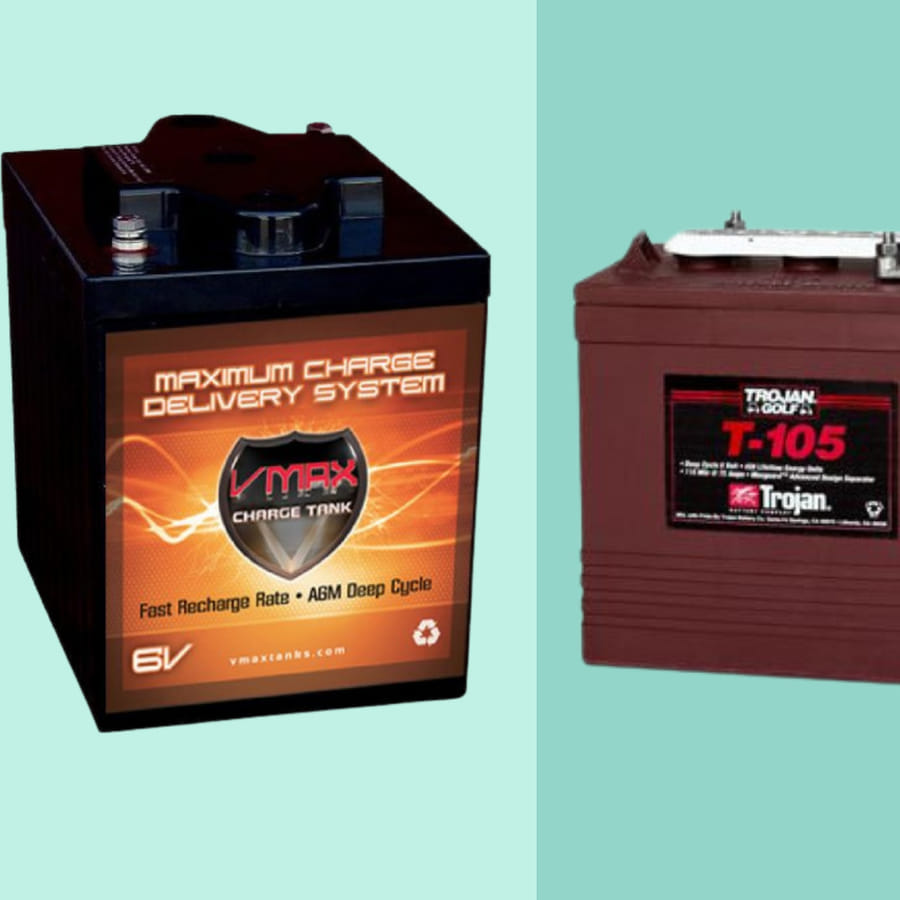
Lead Acid Batteries: Old School, but Gold?
Lead Acid batteries, the old school heroes of the battery world, have been powering RVs since the dawn of the road trip era. Their enduring popularity stems from their affordability and robustness, making them a top choice for frugal adventurers. They're known for their longevity, often outlasting their flashier counterparts when given the right maintenance.
However, they're not without their drawbacks. These batteries are weighty brutes, which might not be ideal if you're trying to keep your RV light. They also require regular maintenance, with the need for water top-ups and frequent checks. And, let's not forget, they don't provide as much usable power as other types. But if you're okay with the hands-on approach and your RV battery needs are modest, they could be the best choice for you.
Lithium-Ion Batteries: The Modern Power Juggernauts
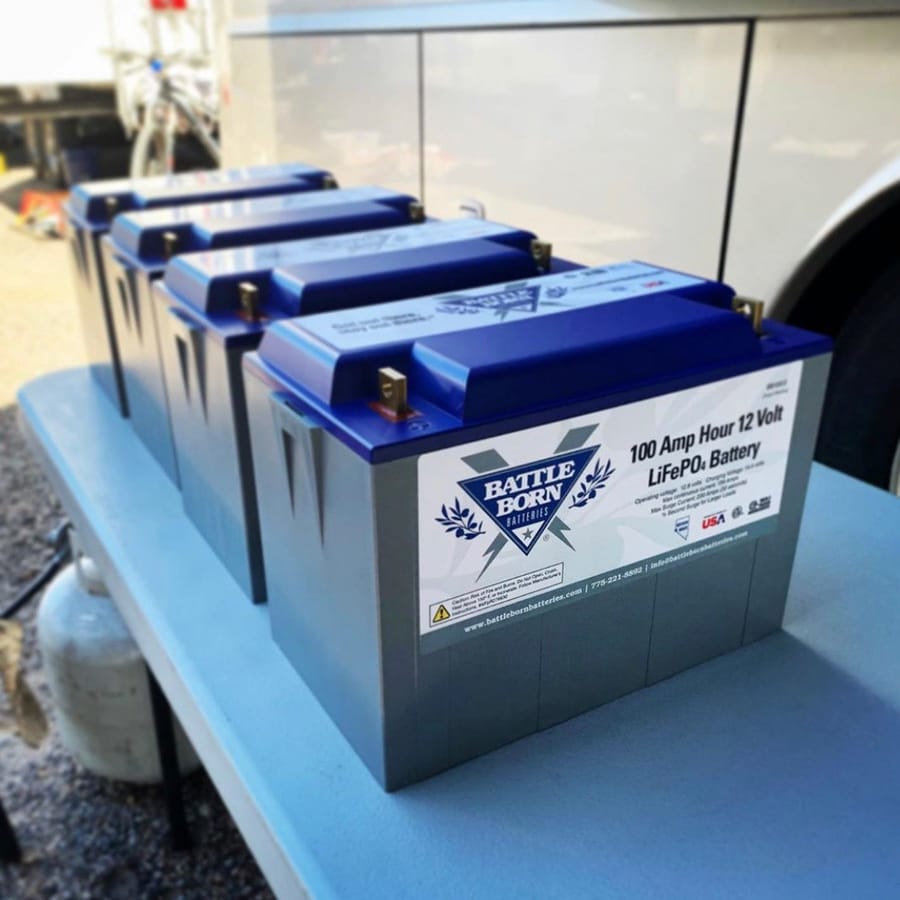
If you're seeking a modern, efficient, and reliable power source for your RV, then lithium-ion batteries are your go-to choice. These energy juggernauts have taken the RV world by storm, offering long-lasting power, minimal maintenance, and a lifespan that leaves traditional batteries in the dust. But, are they the perfect fit for you?
On the bright side, lithium-ion batteries boast a high energy density, which means they can store more energy than their counterparts, making them an ideal choice for long trips. Plus, they have a low self-discharge rate, so your RV battery life remains robust even when not in use.
However, it's not all sunshine and rainbows. Lithium-ion batteries can be pricey, and their performance can dip in colder temperatures. They also require a special charger, which could mean an RV battery replacement could be a more complex affair. So, are you ready to invest in the best?
AGM Batteries: The Silent Performers in Your RV
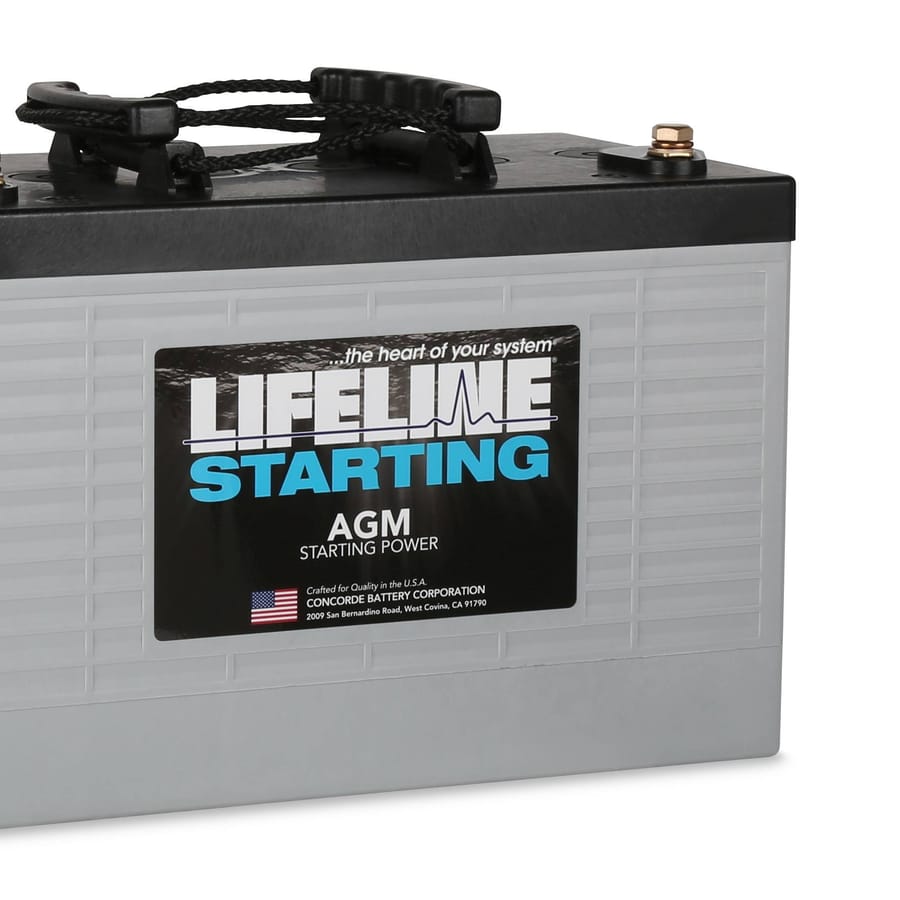
AGM (Absorbed Glass Mat) batteries are the silent performers that keep your RV running smoothly. These batteries are known for their durability and maintenance-free nature, making them a popular choice for RV owners. AGM batteries provide a steady stream of power, ensuring that your appliances run efficiently. They are also spill-proof and can withstand high temperatures, making them perfect for those long, adventurous road trips. However, they come with a higher price tag compared to other battery types. But, if you're looking for a battery that offers longevity, reliability, and minimal maintenance, AGM batteries are worth the investment.
Are AGM batteries the best RV battery choice for you? If you're planning for extended trips or have a high-energy demand, this might be your best bet. For more insights on battery selection, check out our RV battery guide and become an RV battery guru.
Beyond Chemistry: Other Crucial Factors in Selecting Your RV Battery
When it comes to selecting the best RV battery, the size of the battery and weight considerations are just as critical as the power output. After all, you're dealing with a mobile home, and every inch of space and pound of weight counts. The cost is another factor to keep in mind. While it might be tempting to opt for the cheapest option available, remember that a quality battery is an investment. It could save you from untimely power failures or frequent replacements. And let's not forget about the power needed. Whether you're a casual weekend camper or a full-time RVer, your power needs will vary. A marine battery might suffice for some, while others might need the best 200ah lithium battery for RV use. Consider your energy consumption habits before making a decision.
Comparison of Key Factors for Different RV Battery Types
To help you make a more informed decision, let's compare the key factors such as lifespan, maintenance, and value for money for each battery type.
| Battery Type | Lifespan | Maintenance | Value for Money |
|---|---|---|---|
| Lead Acid Batteries | 3-5 years | High (Regular checks and topping up required) | 💲 |
| Lithium-Ion Batteries | 5-7 years | Low (Little to no maintenance required) | 💲💲💲 |
| AGM (Absorbed Glass Mat) Batteries | 4-6 years | Medium (Occasional checks required) | 💲💲 |
Now that we have compared the key factors for different types of RV batteries, let's move on to how you can maintain your RV battery to ensure it lasts for a longer period of time.
Keep the Power Flowing: Essential Tips for RV Battery Maintenance
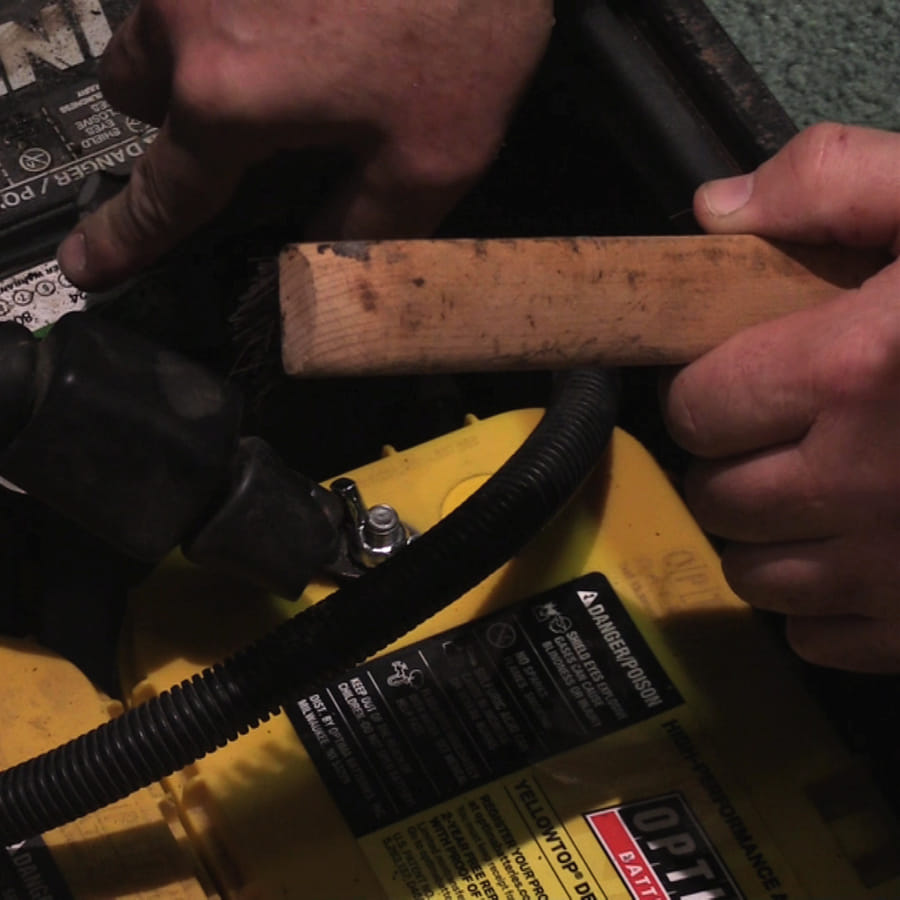
Now that we've discussed the different types of batteries and key factors to consider, let's delve into how to properly maintain your RV battery. Regular maintenance is crucial to ensure it lasts for a longer period of time.
Mastering RV Battery Maintenance: A Step-by-Step Guide





By following these steps, you can ensure that your RV battery is well-maintained and lasts longer. Now, let's move on to some of the top picks for RV batteries on the market today.
Power Champions: Our Top RV Battery Selections for 2022
Power Up Your Journey: Top-Rated RV Batteries for 2022
Top RV Battery Picks: A Comparative Analysis
After extensive research and analysis, we have identified some of the top-rated RV batteries available in the market. Here's a comparative table to help you understand their specifications, pros, and cons at a glance:
| Battery Model | Type | Life Span | Maintenance | Value for Money | Pros | Cons |
|---|---|---|---|---|---|---|
| Optima Batteries 8016-103 D34M | AGM | 3-4 years | Low | $$$ | High power output, Durable | Expensive |
| VMAXTANKS VMAX V35-857 | AGM | 5-7 years | Low | $$ | Long life, Compact size | Lower power output |
| Universal Power Group 12V 100Ah | AGM | 3-5 years | Low | $$$ | High capacity, Versatile | Heavy |
| Battle Born LiFePO4 | Lithium-Ion | 10-15 years | Low | $$$$$ | Longest lifespan, Lightweight | Very expensive |
| ExpertPower 12v 33ah | Lead Acid | 2-3 years | High | $ | Affordable, Reliable | Frequent maintenance, Shorter lifespan |
This table provides a snapshot of the top RV battery picks. However, the best choice for you would depend on your specific needs and preferences. Continue reading for a comprehensive conclusion and our final thoughts.
Powering Up Your Adventures: Wrapping Up Your RV Battery Guide
And so, our electrifying journey in the world of RV batteries comes to a close. We've dissected the anatomy of different battery types, decoded the factors to consider for the best RV battery selection, and even peeked into the mechanics of maintaining these energetic powerhouses. But remember, the end of this guide is not the end of the road.
Your RV's heart - its battery - needs your understanding and care to keep the adventures rolling. Will you become the master of your RV battery life, or will you let power issues put a damper on your travels? The choice is yours.
Go forth, fellow road warriors, and may your journeys be powered by the best batteries for your needs. And remember, when in doubt, refer back to this comprehensive RV battery guide. Drive on!
Which RV Battery is Right for You?
Based on the key factors discussed in the article, this quiz will help you determine the best battery for your RV needs.
Learn more about 🔋 Which RV Battery is Right for You? Take the Quiz! 🔋 or discover other Battery Gem quizzes.
What type of battery are you currently using for your RV and why?
We're curious to know what our readers prefer when it comes to powering their RVs. Your input can help others make a more informed decision!
Now that we've discussed the different types of RV batteries, how to choose the right one, and how to maintain it, let's answer some common questions you might have.
We hope this FAQ section has answered your questions about RV batteries. If you have more questions, feel free to ask in the comments section below.
No comments yet. Be the first to share your thoughts!