

Understanding the Basics: What Happens When a Car Battery Dies
Imagine this: You're running late for an important meeting, you rush to your car, insert the key into the ignition, and.. nothing. The engine refuses to roar to life, the dashboard lights are dim, and you're left with the sinking realization that your car battery is dead. But what exactly happens when a car battery dies? And more importantly, how can you bring it back to life?
When a car battery dies, it's usually due to a process called sulfation. This occurs when your car is not driven enough to recharge the battery, or when the battery is left in a discharged state for an extended period. Sulfation causes the formation of lead sulfate crystals on the battery plates, which can eventually prevent the battery from holding a charge.
But don't fret! A dead battery doesn't necessarily mean it's time for a costly replacement. With the right tools and a little know-how, charging a dead car battery can be a simple task. Whether you're using one of the best car battery chargers of 2022, or trying to revive a dead car battery with a home charger, understanding the basics of how your battery works will make the process smoother and more effective.
Throughout this guide, we'll walk you through the steps of charging a dead car battery, from selecting the right charger to connecting the cables. We'll also share tips for maintaining your battery and extending its life, as well as advice on when and how to replace a car battery. So, whether you're dealing with a battery flat on your car and wondering how to charge it, or looking for specific advice like 2022 Tesla Model 3 battery charging recommendations, we've got you covered.
Ready to turn that silent engine into a purring powerhouse again? Let's dive in and bring your car battery back from the dead!
Choosing the Right Charger: A Guide to the Best Car Battery Chargers
So, you've understood the basics of a dead car battery and you're ready to bring it back to life. But where do you start? The answer lies in choosing the right charger. With a myriad of options available, it can be overwhelming to decide which one is the best car battery charger for your needs. But don't worry, we're here to guide you through the process.
Firstly, it's essential to understand that not all chargers are created equal. Some are designed for specific types of batteries, while others offer features like jump-starting or maintaining the battery when it's not in use. Therefore, it's crucial to consider your specific needs and the type of battery you have before making a decision.
For instance, if you're dealing with a completely dead battery, you might need a charger with a jump-start feature. This can provide a quick burst of power to get your car started so you can drive it and allow the alternator to recharge the battery. On the other hand, if you're looking for a solution to keep your battery in top shape during periods of inactivity, a charger with a maintenance or trickle charge feature would be ideal.
When it comes to specific models, the NOCO Genius1 and the Battery Tender Plus are among the best car battery chargers in 2022. The NOCO Genius1 is a versatile option that can charge 6-volt and 12-volt batteries, and it also has a repair mode that can help reverse the effects of sulfation. The Battery Tender Plus, on the other hand, is a great choice for maintaining your battery, as it switches to a float charging mode after your battery is fully charged to prevent overcharging.
For electric car owners, charging recommendations can vary. For example, 2022 Tesla Model 3 owners might find a home charging station to be the most convenient option. These chargers can be installed in your garage and can fully charge your Tesla overnight.
Remember, choosing the right charger is just the first step in reviving a dead car battery. The real test comes when you connect the charger and start the charging process. But with a little patience and the right tools, you'll have your car back on the road in no time.
Ready to take the next step? Let's move on to our step-by-step guide on how to charge a dead car battery.
Step-by-Step Guide: How to Charge a Dead Car Battery
Now that you've chosen the right charger, it's time to bring your dead car battery back to life. The process might seem daunting, but with our step-by-step guide, you'll be able to handle it like a pro. So, let's dive in and learn how to charge a dead car battery.
Firstly, ensure your car is in a safe location, preferably a well-ventilated area. This is because batteries can emit hydrogen gas, which is highly flammable. Next, make sure your charger is off to avoid any sparks while connecting the cables.
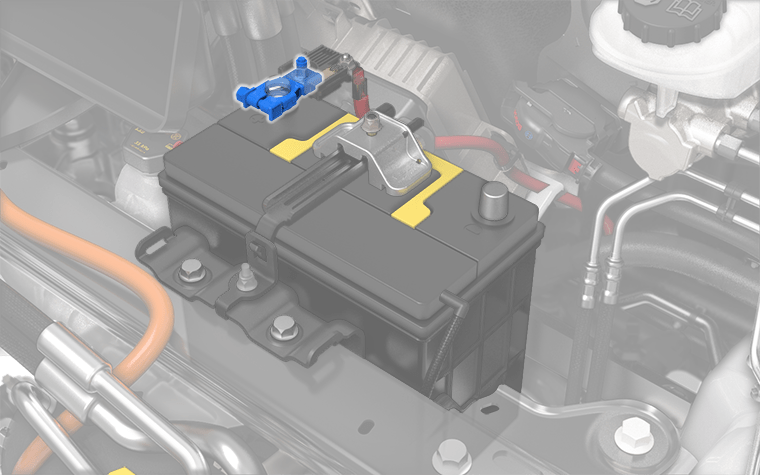
Now, locate your car battery. It's usually under the hood, but in some models, it might be in the trunk or under the back seat. Once you've found the battery, identify the positive (+) and negative (-) terminals. They are usually marked with red and black colors, respectively.
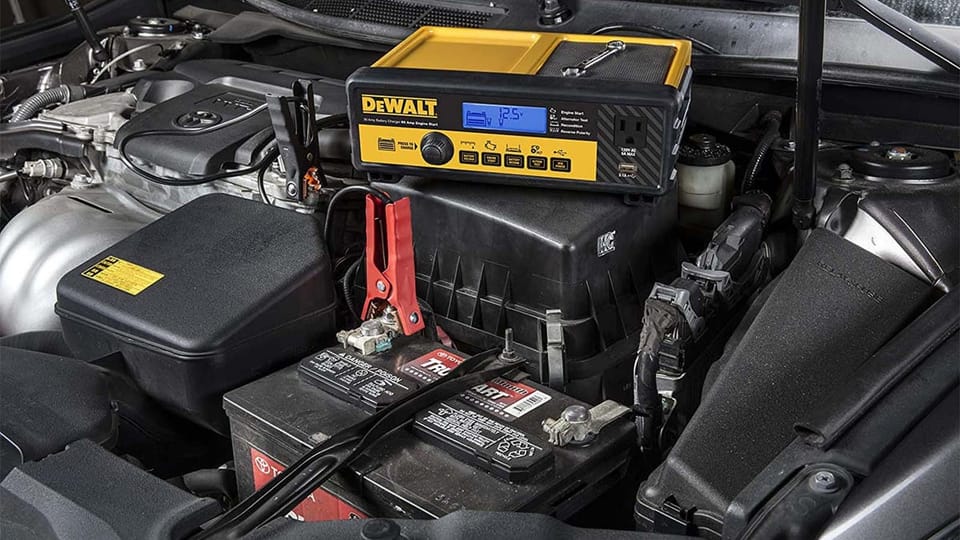
Connect the positive cable from your charger to the positive terminal of your battery. Then, connect the negative cable to the negative terminal. Make sure the connections are secure and then switch on your charger. Some chargers will automatically start charging, while others might require you to select a mode or charging speed.
While charging, it's crucial to monitor the process. Most chargers have indicators that show the charging progress. If your charger has a repair or desulfation mode, like the NOCO Genius1, it can help revive deeply discharged batteries.
But what if you don't have a charger? Can you charge a dead car battery without one? The answer is yes. You can use another car and some jumper cables. Connect the positive cable to the positive terminal of both batteries and then connect the negative cable to the negative terminal of the good battery and to a metal part of the car with the dead battery. Start the working car and let it run for a few minutes. This should provide enough charge to start the other car and let the alternator do the rest.
Remember, safety is paramount when dealing with car batteries. Always wear protective gear and avoid touching your face or eyes during the process. Now that you know how to charge a dead car battery, you're one step closer to getting back on the road. But what about preventing your battery from dying in the first place? Stay tuned for our next section where we'll share some essential car battery maintenance tips.
Reviving a Dead Car Battery: Tips and Tricks
Reviving a dead car battery can seem like a daunting task, especially if you're stranded in the middle of nowhere. But don't fret! With a little knowledge and the right tools, you can breathe new life into your battery and get back on the road in no time. Here are some tips and tricks to help you out.
Firstly, it's crucial to understand that not all dead batteries can be revived. If your battery is old or has been discharged for a long time, it might be beyond repair. However, if your battery is relatively new and has just been drained, there's a good chance you can bring it back to life.
One of the most effective ways to revive a dead battery is to use a battery charger with a repair or desulfation mode, like the NOCO Genius1. This mode sends pulses of electricity into the battery, breaking down the lead sulfate crystals that form during discharge and can prevent the battery from holding a charge. It's like giving your battery a deep clean, removing the gunk that's clogging up its internal workings.
But what if you don't have a charger? Can you still revive your battery? The answer is yes. As we mentioned in the previous section, you can use another car and some jumper cables to give your battery a boost. However, this method only provides a temporary solution and won't fix underlying issues with your battery. For a more permanent fix, you'll need to recharge your battery properly as soon as possible.
Another trick to revive a dead battery is to add distilled water to the cells. Over time, the water in a battery can evaporate, leaving the cells dry and unable to hold a charge. By adding distilled water, you can rehydrate the cells and potentially restore the battery's ability to hold a charge. However, this method should be used with caution as overfilling the cells can cause the battery to leak or even explode.
Lastly, remember that prevention is better than cure. Regular maintenance can significantly extend the life of your car battery and prevent it from dying in the first place. In the next section, we'll share some essential car battery maintenance tips to help you keep your battery in top condition.
Reviving a dead car battery might seem like a challenge, but with the right knowledge and tools, it's a task you can handle. So, don't let a dead battery ruin your day. Use these tips and tricks to get back on the road and keep your battery running for longer.
How Long Does it Take to Recharge a Dead Car Battery?
So, you've successfully revived your dead car battery, but how long does it take to fully recharge it? The answer varies depending on several factors, including the size of the battery, the power of the charger, and the extent of the battery's discharge.
Typically, a standard 12-volt car battery takes about 12 hours to recharge fully using a 10-ampere charger. However, if your battery is completely dead, it may take up to 24 hours or more. A more powerful charger can reduce this time, but it's essential to avoid charging your battery too quickly as this can cause overheating and damage the battery.
But what if you're in a hurry and need to get back on the road? Can you speed up the charging process? The answer is yes, but with caution. Fast charging a battery can help in emergencies, but it's not recommended as a regular practice. Fast charging generates heat, which can degrade the battery's performance and lifespan over time.
What about electric vehicles like the 2022 Tesla Model 3? These cars use lithium-ion batteries, which have different charging recommendations. For instance, Tesla recommends keeping the battery charge level between 20% and 90% for daily use, and charging to 100% only for long trips. Charging a Tesla battery from 0% to 100% can take anywhere from 30 minutes at a Supercharger station to 12 hours using a home charger, depending on the charger's power.
Remember, charging a dead car battery is not just about plugging it in and waiting. It's about understanding your battery's needs, using the right tools, and taking the time to do it correctly. This not only ensures that your battery gets fully charged, but also helps extend its life and performance.
So, the next time you find yourself with a dead battery, don't panic. Use your knowledge, choose the best car battery chargers, follow our car battery charger guide, and you'll be back on the road in no time. And remember, regular car battery maintenance is key to preventing battery failures and extending your car battery life.
Stay tuned for our next section where we'll share some practical tips and tricks for maintaining and extending the life of your car battery. Because, as we all know, a well-maintained battery is a long-lasting battery!
Extending Your Car Battery Life: Maintenance Tips and Tricks
Now that you're familiar with the process of charging a dead car battery, let's shift our focus to extending your car battery life through regular maintenance. After all, prevention is better than cure, right?
Firstly, keep your battery clean. A dirty battery can discharge across the grime on top of the battery casing, causing it to drain faster. Regularly cleaning the battery terminals can prevent corrosion and ensure a good connection. You can use a mixture of baking soda and water to clean the terminals, but remember to disconnect the battery first to avoid any accidents.
Secondly, ensure your battery is securely fastened. A battery that's not securely fastened could vibrate, resulting in short circuits and internal damage. So, make sure your battery is snug in its tray, not moving around when you're driving.
Another important tip is to limit short rides. Short car trips prevent your car's battery from fully charging. Maintain your car battery power by driving it frequently and for longer periods. If you don't use your car often, consider investing in the best car battery chargers to keep your battery fully charged and avoid sulfate build-up.
Did you know that extreme temperatures can cause your battery to work harder, which can result in a shorter lifespan? Protecting your car from extreme elements can prolong its life. Try to park your car in a garage during hot summer days and cold winter nights to protect the battery from temperature extremes.
Lastly, turn off all the lights when you exit the car. Accidentally leaving your headlights or interior lights on can drain the battery. Make it a habit to check that all the lights are off before you leave your car.
Remember, extending your car battery life is all about regular maintenance and care. By following these car battery maintenance tips, you can ensure your battery stays healthy for longer, saving you time and money in the long run. So, why wait? Start implementing these tips today and give your car battery the care it deserves!
Stay tuned for our next section where we'll guide you on when and how to replace your car battery. Because knowing how to replace a car battery is just as important as knowing how to charge it!
Replacing Your Car Battery: When and How to Do It
So, you've mastered the art of charging a dead car battery and learned the secrets of car battery maintenance. But what happens when your battery has reached the end of its life? Knowing when and how to replace your car battery is just as crucial as knowing how to charge it.
Firstly, it's important to recognize the signs that your battery needs replacing. If your car is struggling to start, the battery light on your dashboard is on, or your battery is more than three years old, it might be time for a new one. Also, if you've had to jump-start your battery multiple times or it's swollen and bloated, these are clear signs that your battery is on its last legs.
Once you've determined that it's time for a new battery, you can either take your car to a professional or replace the battery yourself. If you choose to do it yourself, make sure you purchase the right battery for your car. Automotive car battery size charts can be a handy tool to ensure you get the right fit. Also, consider the 2022 Tesla Model 3 battery charging recommendations if you own a Tesla.
To replace the battery, start by turning off your car and removing the keys from the ignition. Next, locate your battery and remove the negative cable first (usually black or marked with a minus sign). Then, remove the positive cable (usually red or marked with a plus sign). Once both cables are removed, you can take out the old battery.
Before installing the new battery, clean the battery tray and cable connectors. Place the new battery in the tray, reconnect the positive cable first, then the negative cable. Make sure the connections are tight and secure. Start your car to ensure the new battery is working properly.
Replacing your car battery can seem daunting, but with the right knowledge and tools, it's a task you can handle. Remember, regular maintenance and timely replacement of your car battery can save you from unexpected breakdowns and costly repairs. So, don't wait for your battery to die completely before you replace it. Be proactive, and give your car the care it deserves!
Now that you're equipped with the knowledge of how to charge a dead car battery, maintain it, and replace it when necessary, you're ready to tackle any battery-related issue that comes your way. Remember, Battery Gem is your ultimate guide to batteries. Stay tuned for more tips and tricks to keep your batteries in top shape!
Do you have any other questions about car batteries? Or perhaps there's a specific topic you'd like us to cover next? Let us know in the comments below. We're here to help you navigate the world of batteries with ease and confidence.

No comments yet. Be the first to share your thoughts!